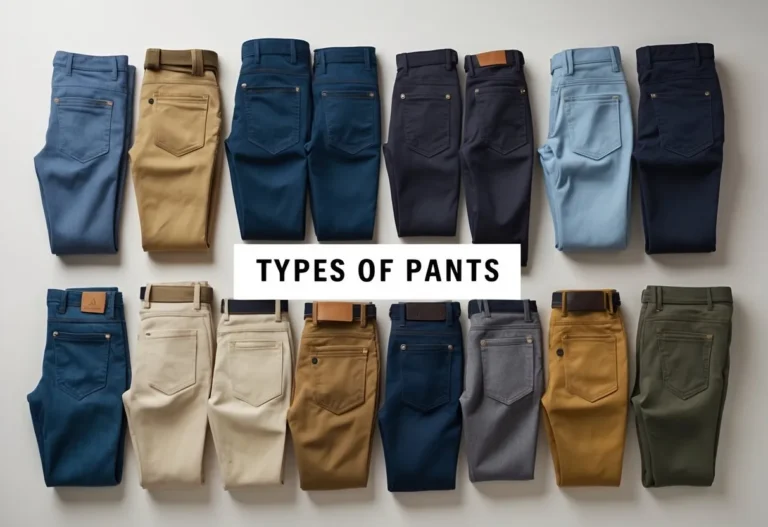
Jeans come in many different materials that affect how they look, feel, and last. Understanding these materials helps people pick the right jeans for their needs, whether for comfort, style, or durability.
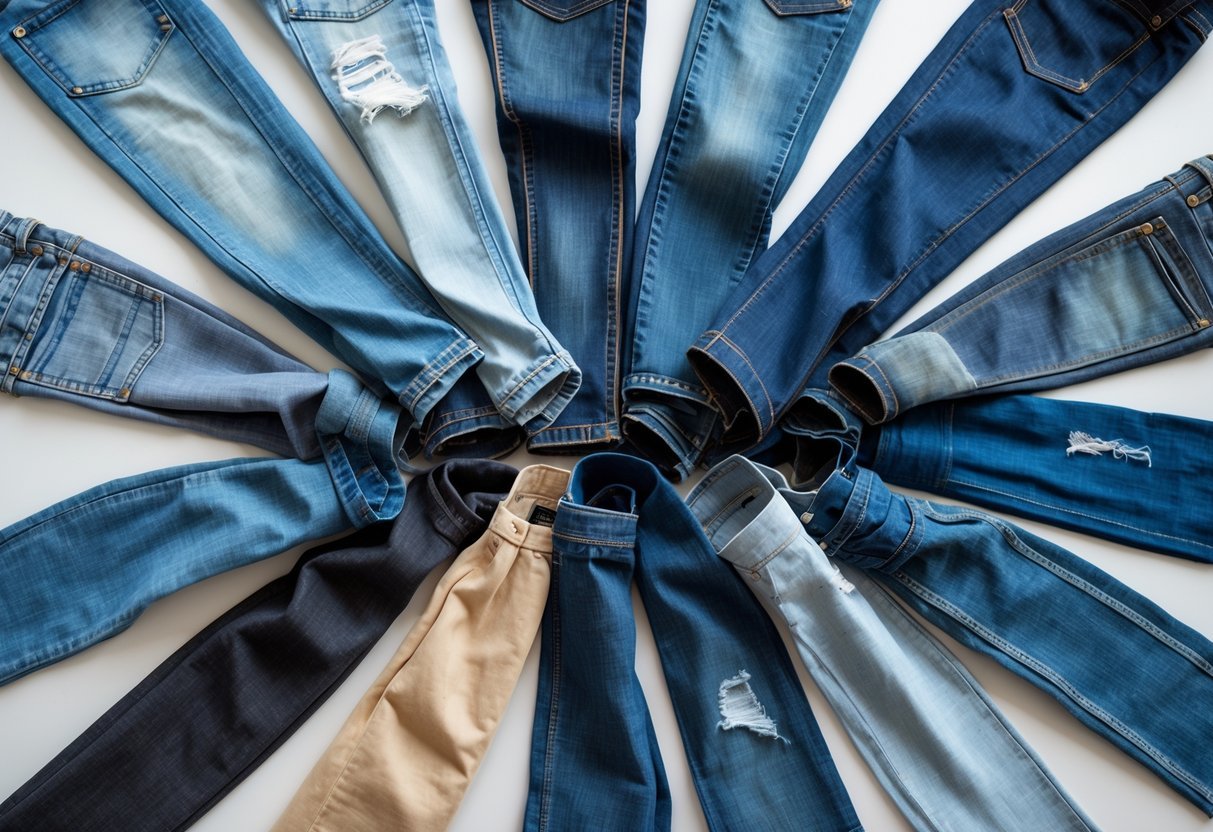
The most important thing to know is that each type of jean material has unique qualities that make it suitable for different uses and preferences. This article will introduce 14 common types of jeans materials, giving a simple overview of what makes each one distinct.
Table of Contents
1) 100% Cotton Denim
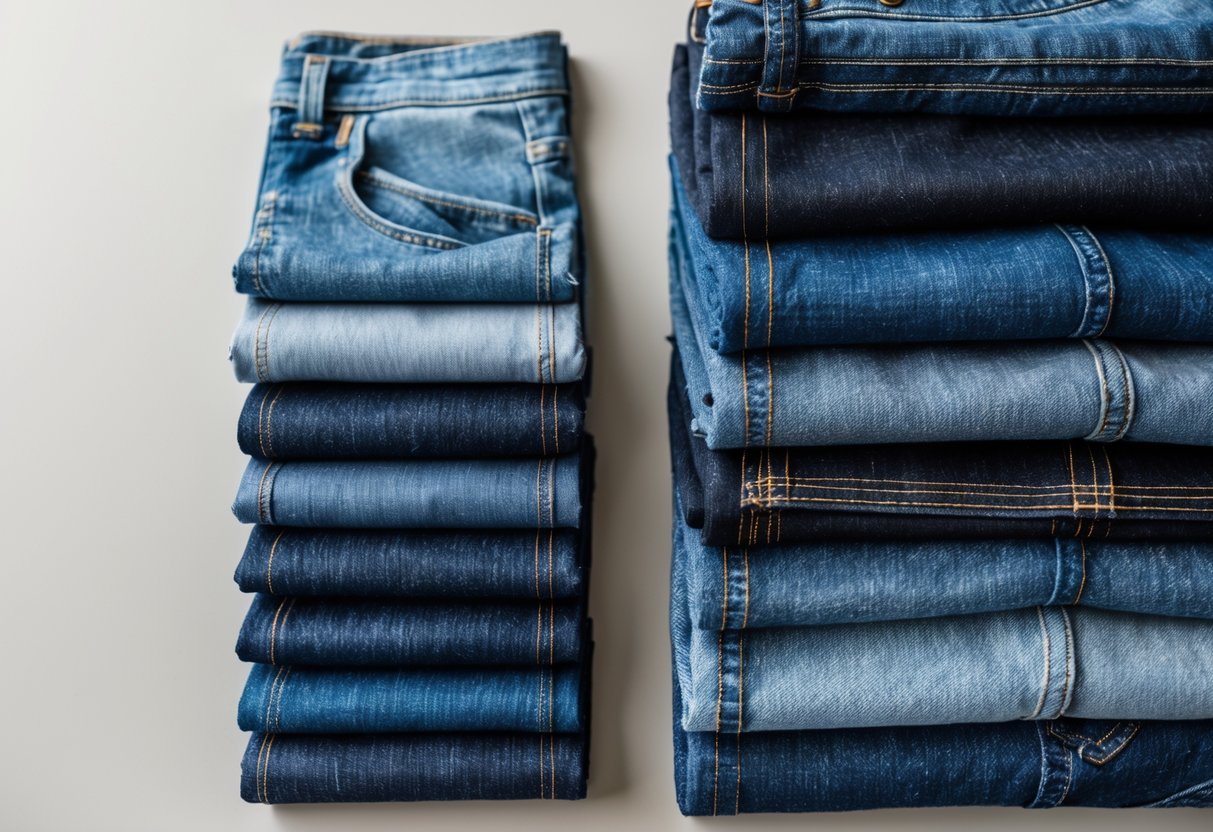
100% cotton denim is a classic fabric used to make jeans. It is made entirely from cotton fibers woven in a twill pattern, which gives it strength and durability.
This type of denim is known for being soft and breathable. It can handle regular wear and washing while keeping its shape.
Cotton denim usually weighs between 10 to 14 ounces per square yard. Heavier denim tends to be tougher and lasts longer, making it a good choice for workwear.
It also has good resistance to wear and tear. This strength comes from the tight weave and the natural qualities of cotton fiber.
One key feature of 100% cotton denim is that it is biodegradable. Unlike synthetic blends, it will break down naturally over time.
However, pure cotton denim often has less stretch, so it may feel stiffer compared to blended fabrics. This type is preferred by those who want a traditional denim feel.
2) Selvedge Denim
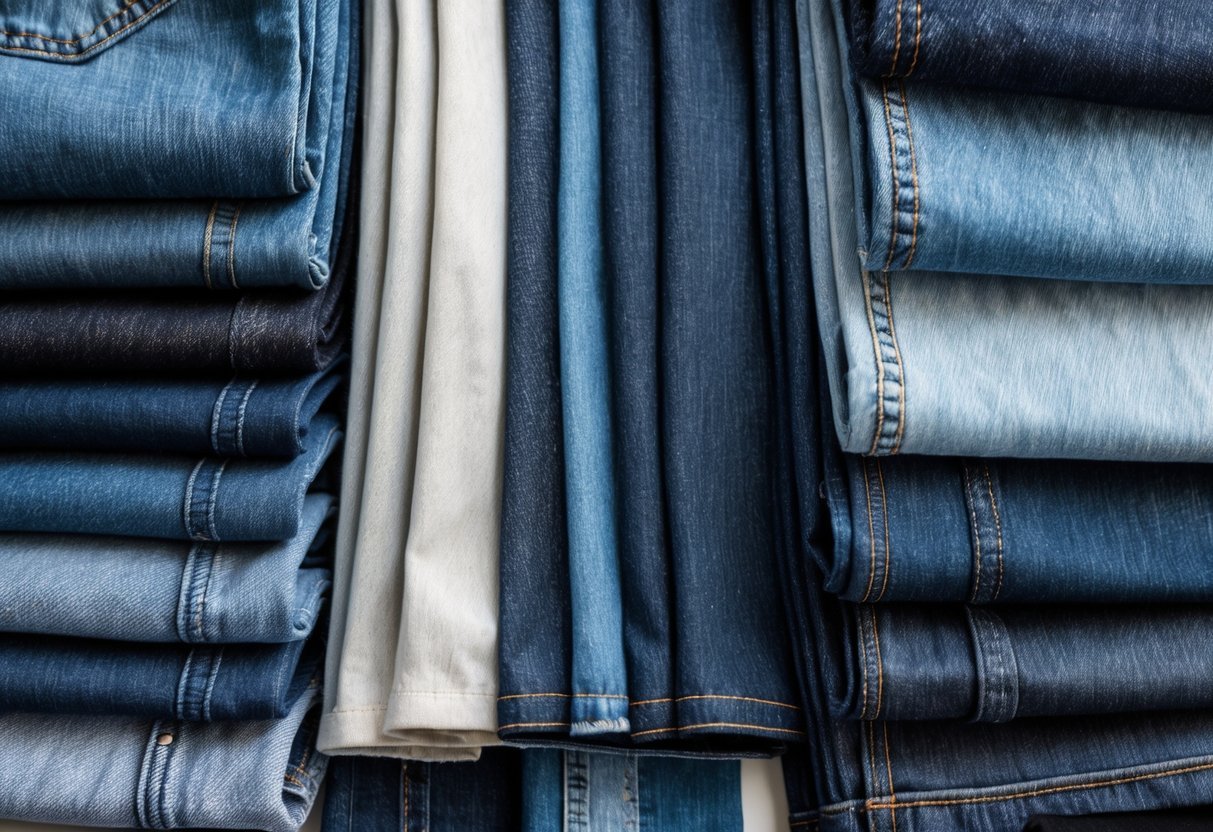
Selvedge denim is made on traditional shuttle looms, which produce a tightly woven fabric. This process creates a clean edge that stops the fabric from fraying. The edge often has a colored line, usually red, white, or blue.
The tight weave makes selvedge denim more durable than regular denim. It also gives the fabric a smooth and firm feel. Over time, selvedge denim can develop a unique look as it wears in.
Selvedge denim is often seen as a high-quality option. It carries a history of craftsmanship and traditional methods. These jeans usually cost more because of the careful production process.
They come in different fits and styles. Some versions may include a small amount of elastic to improve comfort. People choose selvedge jeans for their durability and the way they age with use.
3) Raw Denim
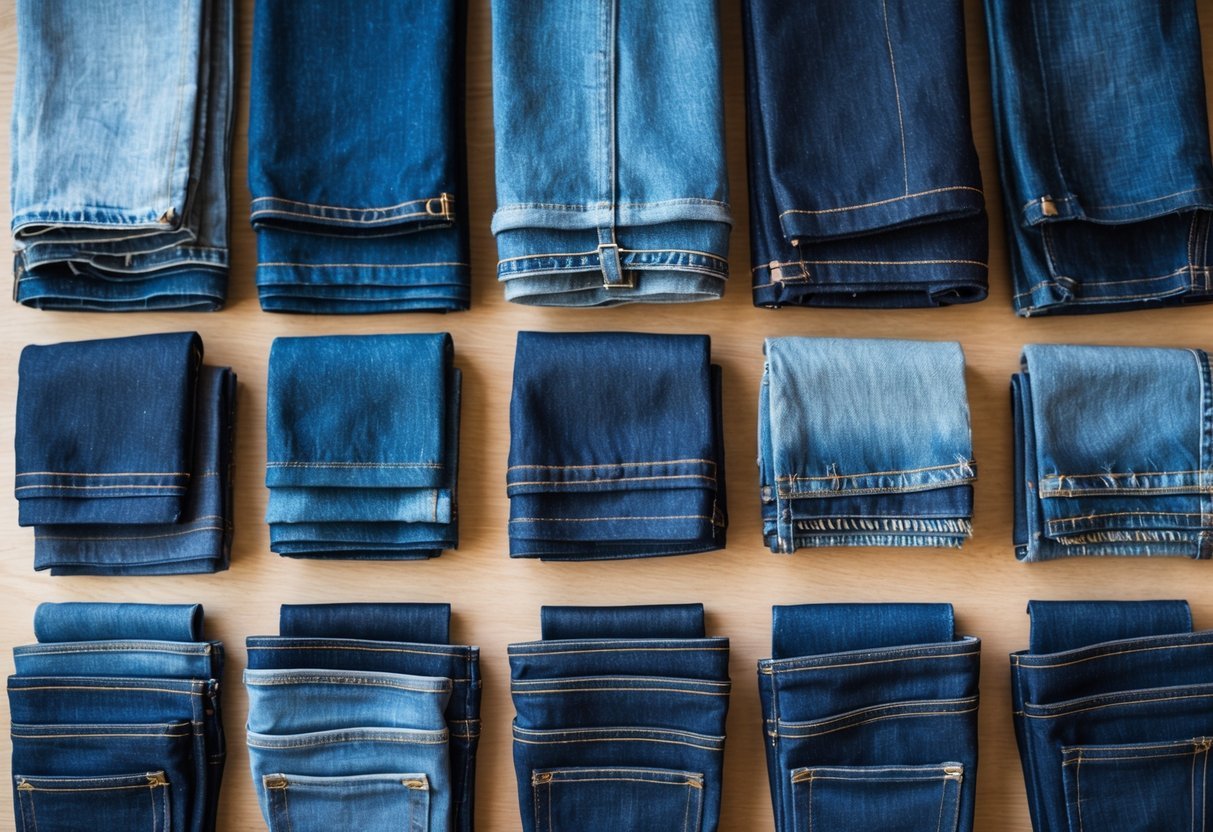
Raw denim is denim fabric that has not been washed or treated after being dyed. It retains its stiff texture and deep color because it is left in its natural state.
This type of denim is usually heavier and more durable than washed denim. People who wear raw denim often prefer it because it molds to their body over time, creating a personalized fit.
Raw denim can fade and develop unique patterns based on the wearer’s movements and habits. This makes each pair of jeans one-of-a-kind.
It requires special care since it can shrink and stain easily if not handled correctly. Washing raw denim is usually delayed until visible wear marks appear to preserve its look and texture.
Many denim enthusiasts value raw denim for its authenticity and traditional production methods. It is often seen as a classic choice for those interested in the roots of denim craftsmanship.
4) Stretch Denim (Cotton-Elastane Blend)
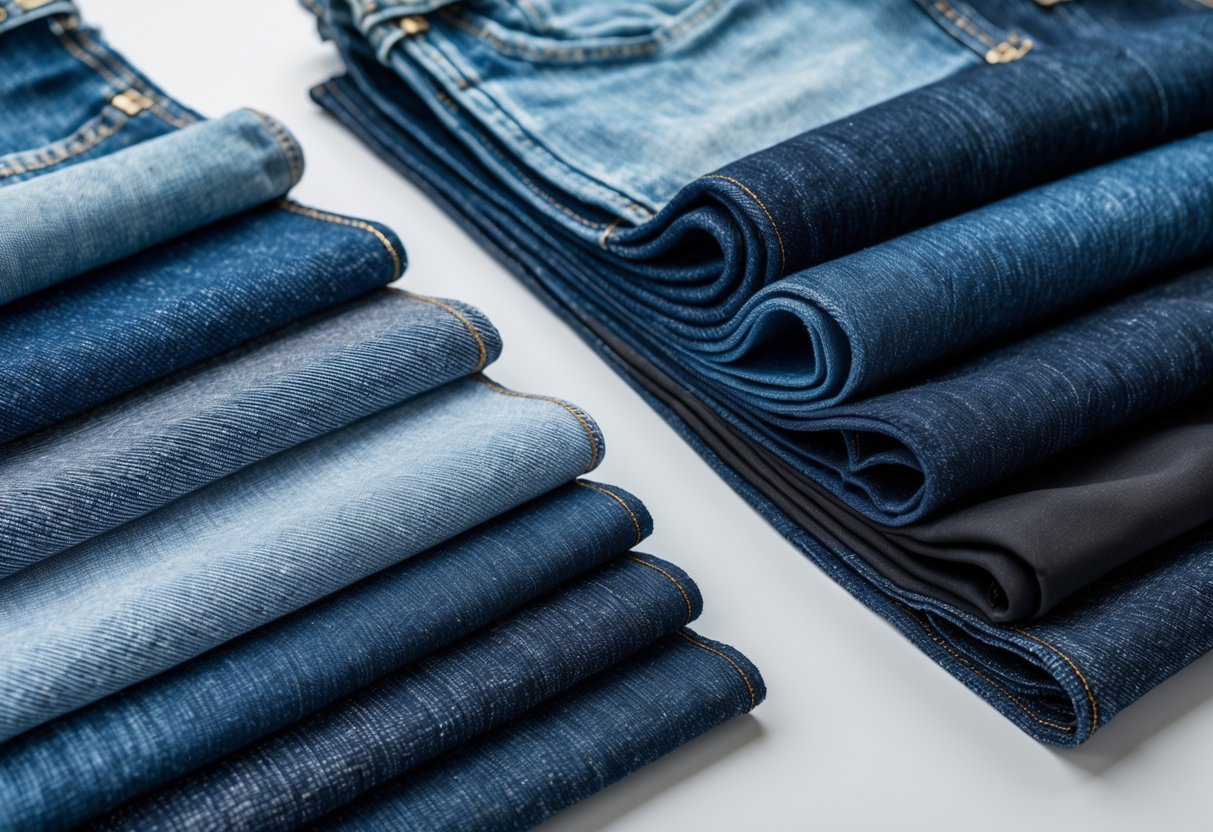
Stretch denim is made by blending mostly cotton with a small amount of elastane, usually between 1% and 3%. This mix allows the fabric to stretch and move with the wearer’s body.
The elastane fibers help the jeans keep their shape after stretching. This means the jeans fit snugly without becoming baggy or saggy over time.
Stretch denim offers more comfort compared to 100% cotton jeans. It is especially useful for people who want flexibility for daily activities or active lifestyles.
While stretch denim is less rigid than pure cotton denim, it still maintains a good balance of durability and fit. Some blends also include polyester to add strength and improve recovery.
These jeans are popular for their shape-retaining qualities. They mold to the wearer’s body and offer a clean, fitted look without sacrificing comfort.
5) Washed Denim
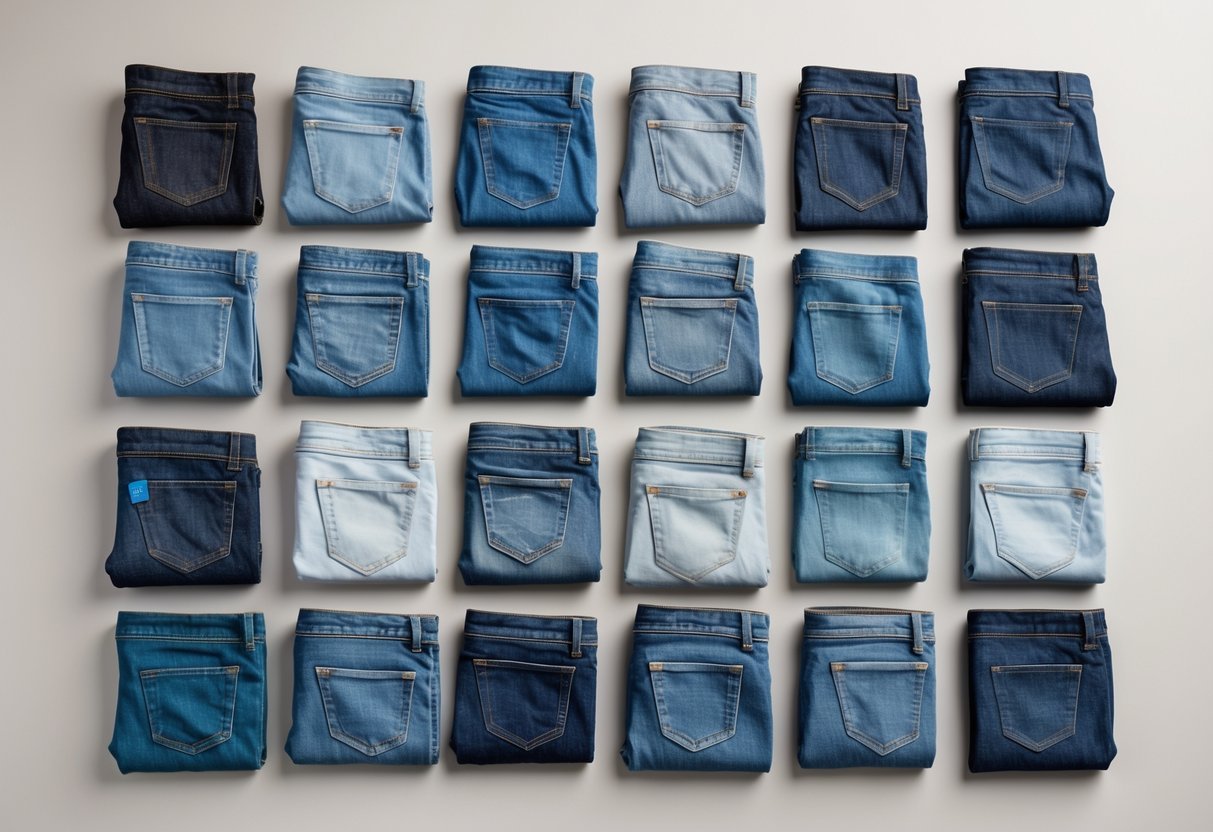
Washed denim is denim fabric that has gone through a cleaning or treatment process after being dyed. This makes the jeans softer and often lighter in color. It also removes any chemicals or dirt from the manufacturing process.
There are many types of washes, such as stone wash, acid wash, and enzyme wash. Stone washing gives denim a worn, vintage look by treating it with rough stones. Acid wash creates a marbled, high-contrast effect by using chemicals and pumice stones.
Washed denim tends to be more comfortable than raw denim because it is softer and less stiff. It also shows fading and wear more quickly over time, which some people prefer for style reasons.
This material is common for everyday jeans. Each wash changes the look and feel, making washed denim versatile for many fashion styles.
6) Sandblasted Denim
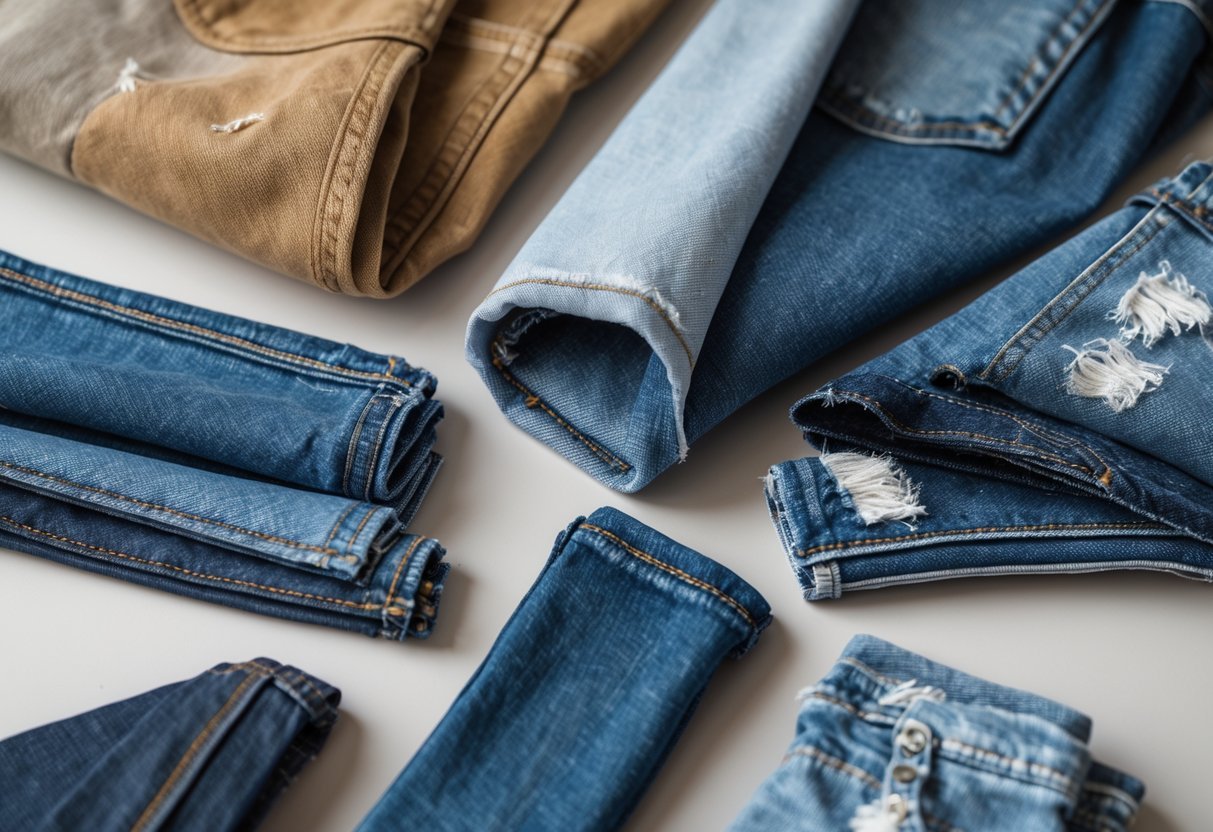
Sandblasted denim is created using a process where fine sand particles are blasted at the fabric. This technique gives the jeans a worn and faded appearance, mimicking natural wear over time.
The sandblasting targets specific areas, such as the thighs, knees, and hems, to produce a rugged, distressed look. It is often used to add unique patterns of fading.
This process is controlled to create a stylish finish without the unevenness of natural aging. Sandblasted denim is popular for those who want bold and heavily faded jeans.
However, the process involves abrasive materials that wear down the fabric’s surface. This means sandblasted denim can be less durable than untreated denim.
Overall, sandblasted denim is chosen for its distinctive, vintage-style appearance that factory techniques can replicate quickly.
7) Rigid Denim
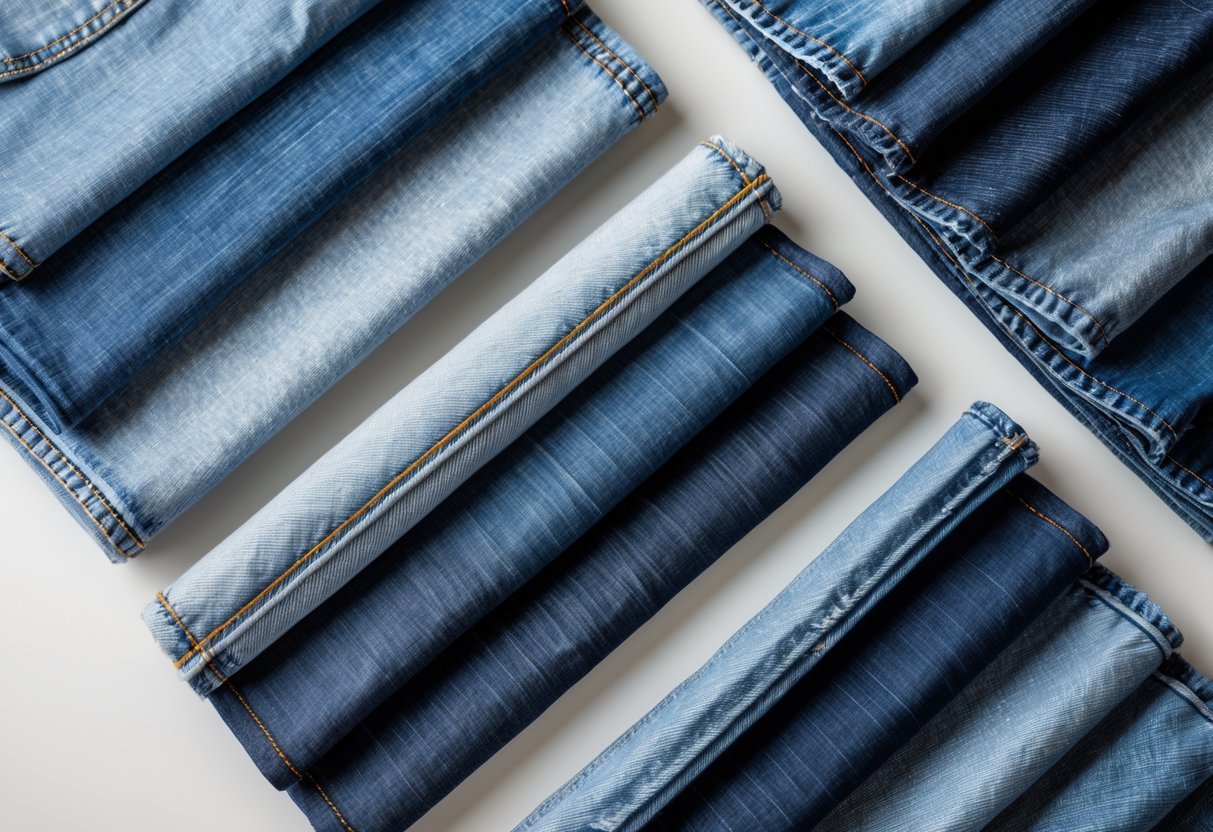
Rigid denim is made from 100% cotton and does not contain any stretch fibers. It feels stiff and firm when new because it is untreated and unwashed. This gives it a distinct look and makes it durable.
These jeans are typically made with mid to heavyweight fabric, usually above 13 ounces per square yard. The weight helps them hold their shape well over time. However, the stiffness means they can feel uncomfortable at first.
Rigid denim molds to the wearer’s body with use. Over time, it softens and fits more personally. Many people like this natural shaping because it creates a unique fit just for them.
Because the fabric is untreated, it may shrink or fade in the wash. Proper care, like washing less often and using cold water, helps maintain the jeans’ fit and color. Rigid denim is popular among denim fans who want a vintage or classic style.
8) Organic Cotton Denim
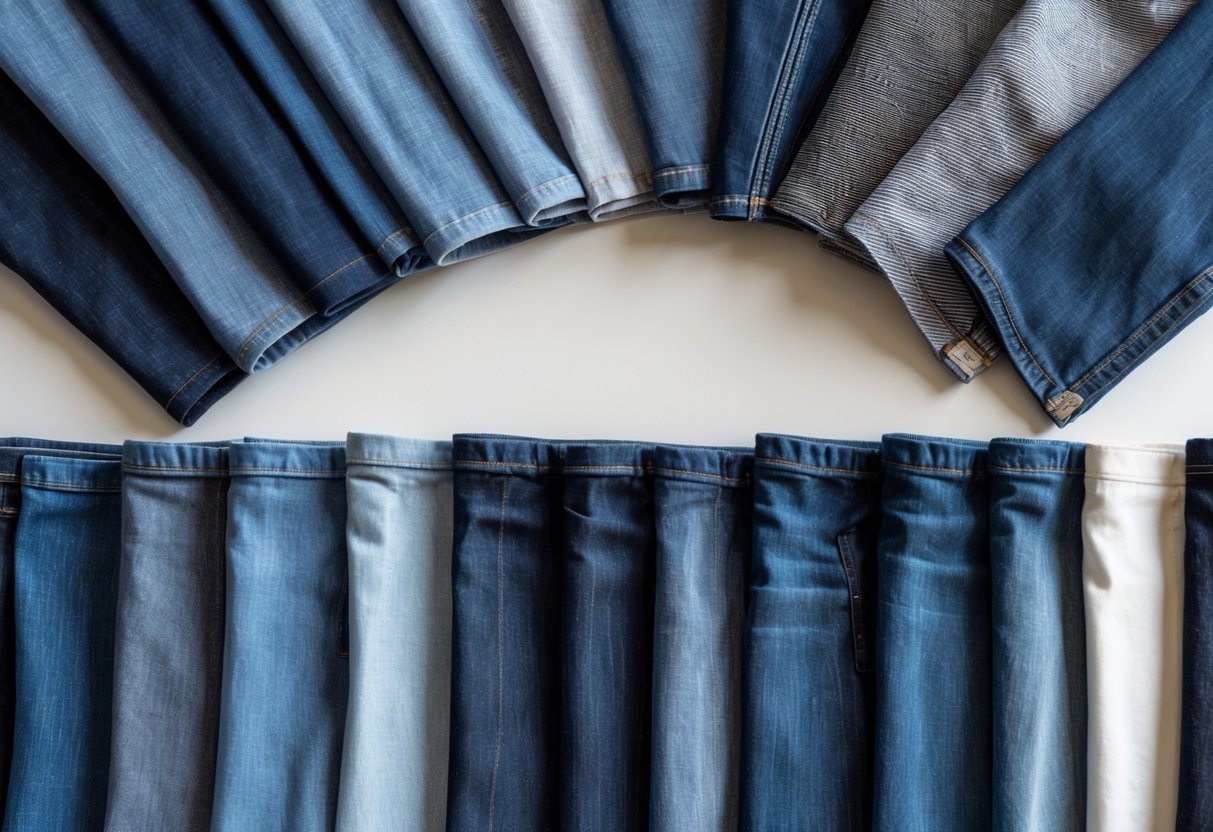
Organic cotton denim is made from cotton grown without synthetic chemicals or pesticides. This makes it a more environmentally friendly choice compared to regular cotton denim. It often uses less water and promotes better soil health during farming.
This type of denim is usually softer and gentler on the skin. Brands use organic cotton to meet growing consumer demand for sustainable and non-toxic fabrics. The production process often follows strict certifications, such as GOTS, to ensure true organic standards.
Many eco-friendly denim brands mix organic cotton with recycled fibers. This blend can improve durability and reduce waste. Consumers choose organic cotton denim for its lower environmental impact and safer materials, while still keeping the classic look and feel of jeans.
9) Polyester-Cotton Blend Denim
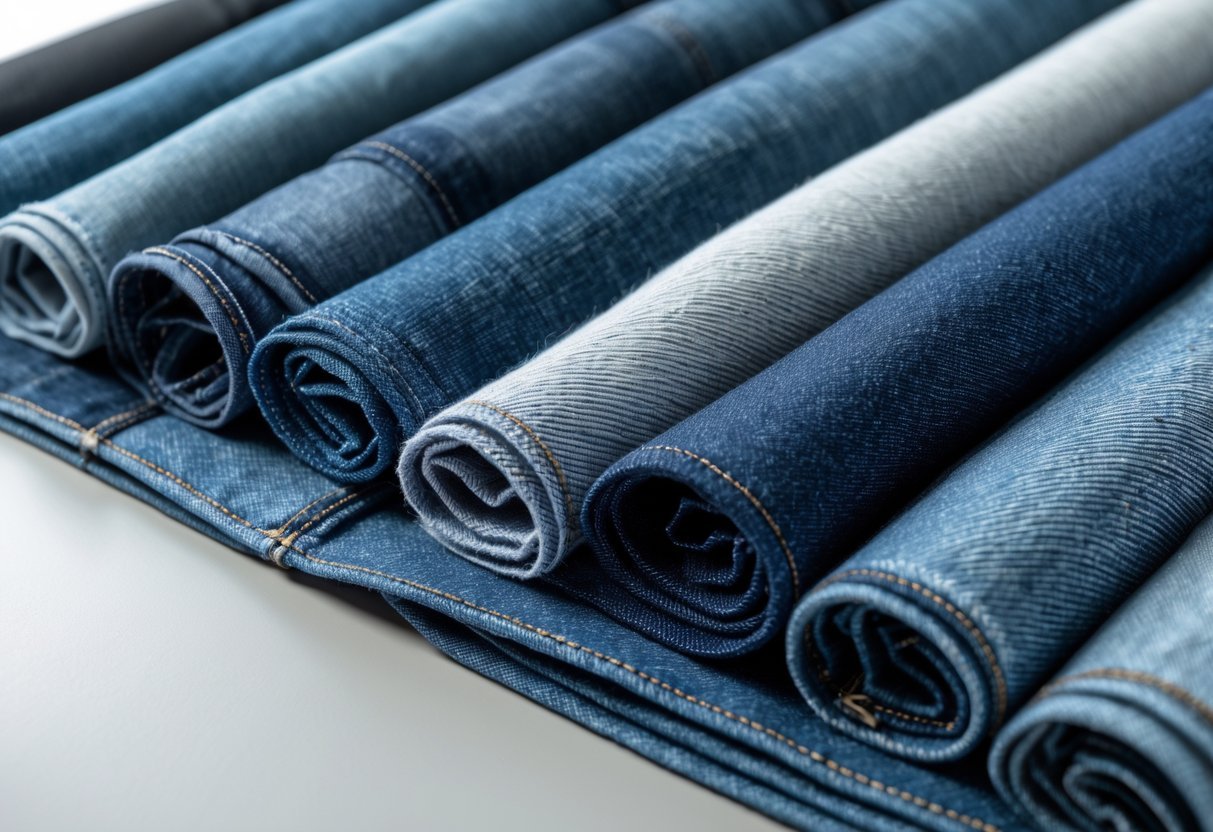
Polyester-cotton blend denim combines natural cotton fibers with synthetic polyester. This mix gives the fabric more strength compared to 100% cotton denim. It also helps the denim resist wrinkles and shrinkage.
This blend usually feels less breathable than pure cotton but lasts longer. It is often used in workwear or everyday jeans where durability is important.
The ratio of polyester to cotton can vary. Higher polyester content makes the fabric stronger and more wrinkle-resistant. More cotton keeps the denim soft and breathable.
Polyester-cotton blends also dry faster than pure cotton denim. This can be helpful for active use or frequent washing. The fabric maintains color better because polyester holds dye well.
Overall, polyester-cotton denim balances comfort and toughness. It is a practical choice for people who want jeans that last longer but still have a cotton feel.
10) Lyocell Denim
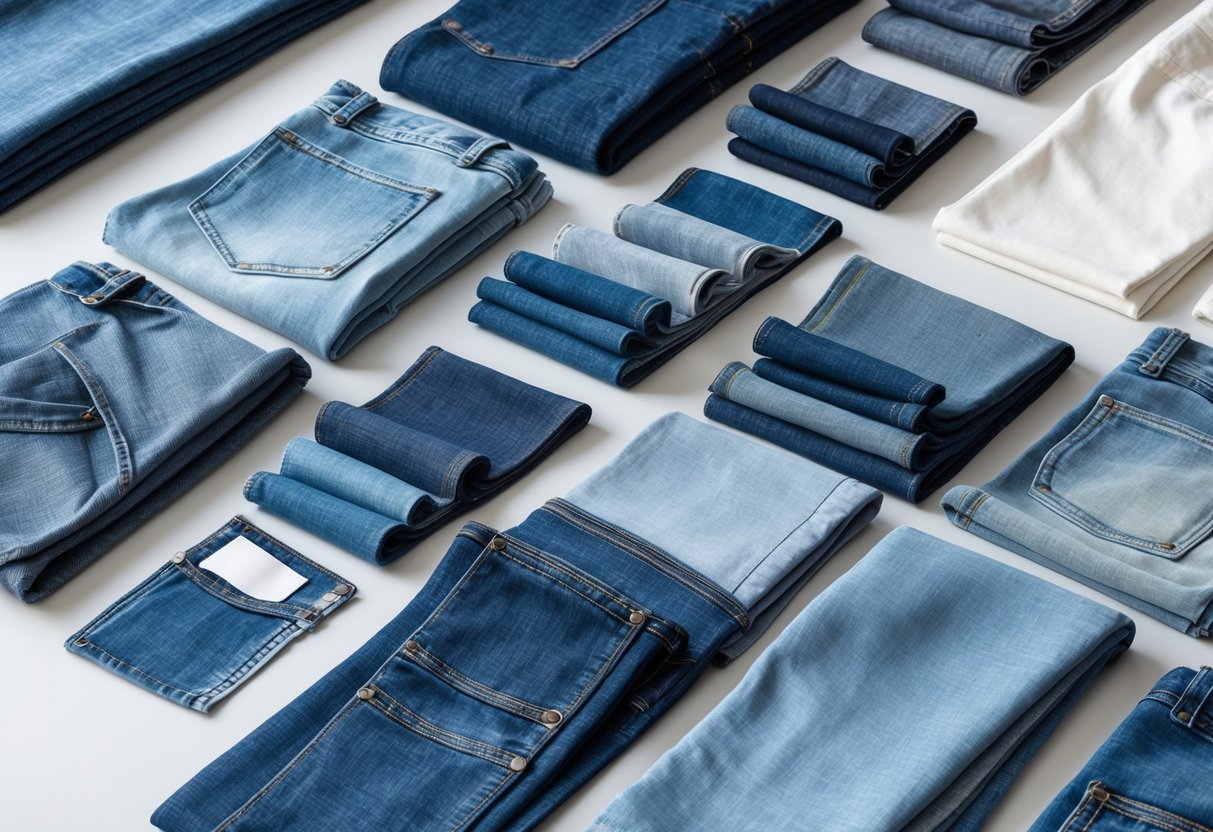
Lyocell denim is made from lyocell fibers, which come from wood pulp. This material is known for being sustainable and eco-friendly. It uses less water and chemicals in production compared to traditional cotton denim.
The fabric is soft and smooth, unlike typical tough denim. It offers good stretch and shape retention, making jeans comfortable and form-fitting. This helps lyocell denim suit many body types.
Lyocell denim also breathes well and absorbs moisture. This makes it suitable for both warm and cool weather. Many brands use lyocell to create stylish jeans that feel good to wear. It combines durability with a modern look, offering an alternative to classic denim fabrics.
11) Twill Denim
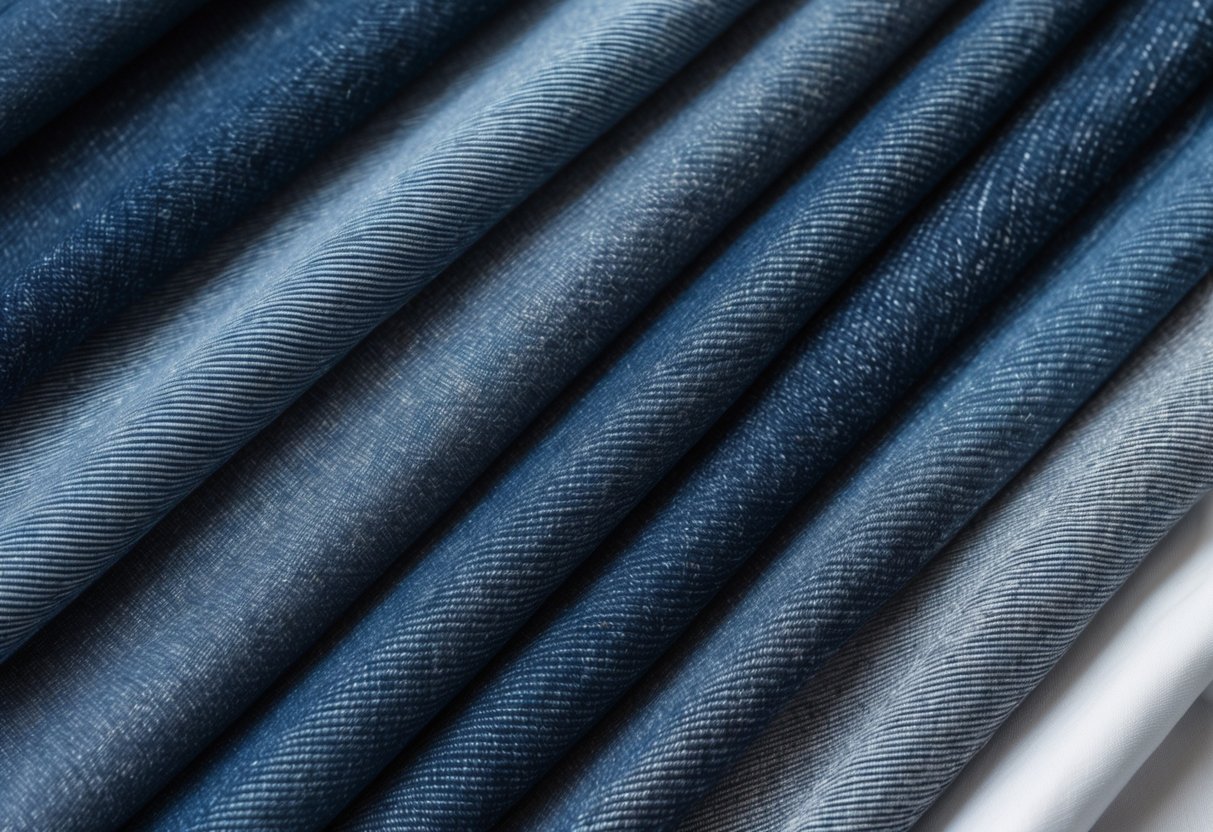
Twill denim is a common type of fabric used to make jeans. It is known for its distinctive diagonal weave pattern. This pattern is created when the weft thread passes under two or more warp threads.
This diagonal ribbing makes twill denim strong and durable. It also gives the fabric a unique texture that sets it apart from plain cotton fabrics. Most denim jeans use this twill weave.
There are two main types of twill denim: right-hand twill and left-hand twill. Right-hand twill shows diagonal lines that slope from the top left to the bottom right. Left-hand twill has the opposite slope and is less common.
The twill structure helps make denim jeans resistant to wear and tear. It also allows the fabric to drape better, which improves comfort and fit. Twill denim remains a popular choice in denim manufacturing because of these qualities.
12) Lightweight Denim
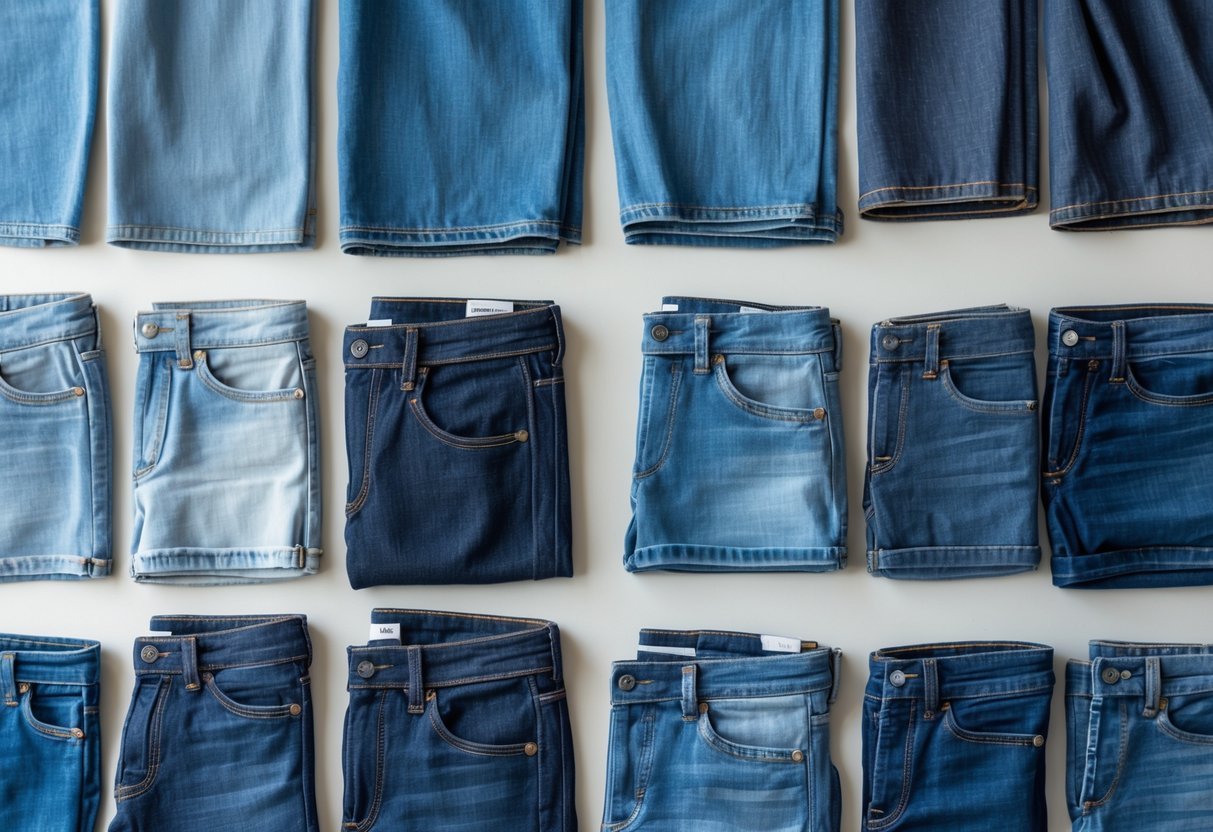
Lightweight denim is thinner and softer than traditional denim. It usually weighs less than 12 ounces per yard, making it easier to wear in warm weather.
This type of denim often blends cotton with materials like polyester or elastane. These blends help the fabric stay breathable and provide more stretch and comfort.
Because it is lighter, lightweight denim is well-suited for summer jeans, shirts, and dresses. It keeps the wearer cool while still offering the look of classic denim.
While it may not be as durable as heavier denim, lightweight denim is popular for casual wear. It balances style and comfort, especially when heavy denim feels too stiff or hot.
Overall, lightweight denim offers a good choice for those who want denim that adapts to warmer climates or prefers a softer, more flexible material.
13) Heavyweight Denim
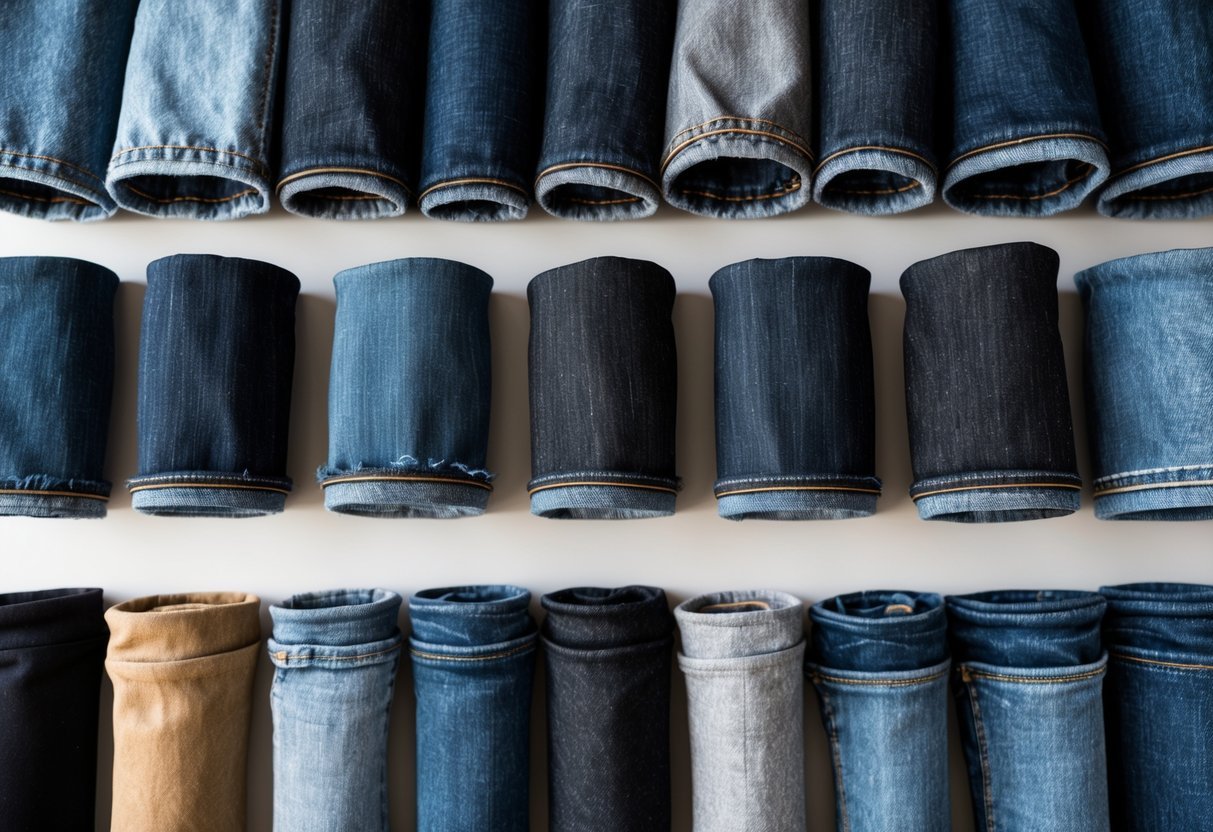
Heavyweight denim is known for its thick and sturdy fabric. It usually weighs over 16 ounces per square yard. This type of denim is more durable than lighter fabrics.
Because of its weight, heavyweight denim is often used for tough jeans. These are made to last through rough wear and tear. People who need strong workwear or rugged styles often choose heavyweight denim.
The fabric is less flexible and can feel stiff at first. Over time, it softens with use and washing. Heavyweight denim is popular among those who prefer a traditional and durable jean.
Its weight also means it can be warmer to wear. This makes it a good option for colder weather. However, it might be less comfortable in hot climates.
Heavyweight denim is often found in selvedge jeans. These jeans highlight strong construction and classic details. They appeal to denim enthusiasts who value quality and strength.
14) Indigo Dyed Denim
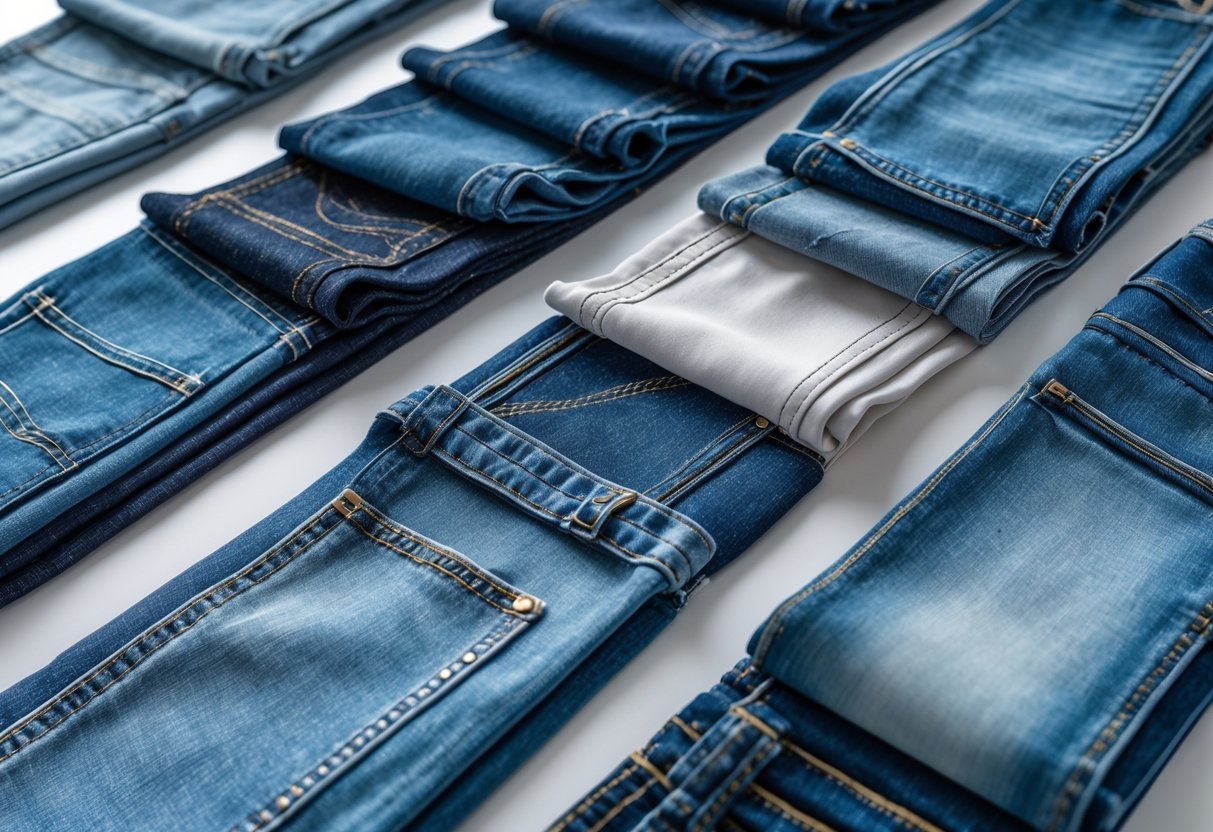
Indigo dyed denim is the most common type of denim fabric. It gets its blue color from indigo dye, which is applied mostly to the warp thread. The weft thread usually remains white or undyed, creating the classic denim look.
Indigo dye can be natural or synthetic. Natural indigo comes from plants like Indigofera tinctoria, mostly found in India. Synthetic indigo is made through chemical processes but still produces the same blue shade.
This dyeing method has been used for centuries, dating back to ancient Egypt and India. Indigo’s ability to fade over time gives denim jeans a worn-in appearance that many people like.
Though indigo is the traditional dye for denim, it is sometimes mixed with sulfur or other colors to create different shades. Modern denim fabrics may also include stretch fibers or sustainable materials alongside indigo dye.
Indigo dyed denim remains popular because of its unique fading patterns and historical significance in denim production. It is a defining feature of classic blue jeans around the world.
Understanding Jeans Materials
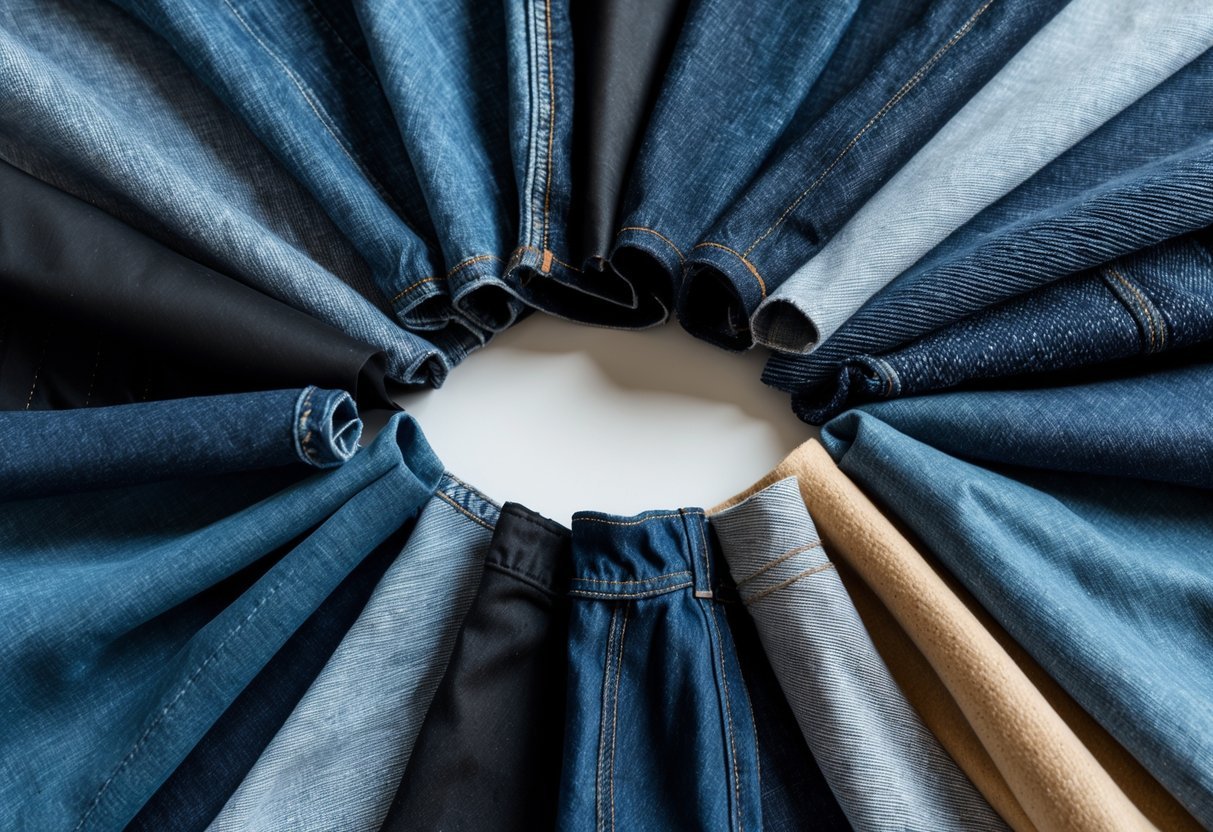
Jeans materials vary in fabric composition, durability, and fiber types. These factors determine comfort, strength, and the overall feel of jeans. Knowing how these elements work helps when choosing the right pair for style and long-lasting use.
The Role of Fabric Composition
The main fabric in jeans is denim, primarily made from cotton. Cotton fibers provide softness and breathability, making jeans comfortable to wear. Many modern jeans include a small percentage of elastane or spandex to add stretch. This stretch improves fit and flexibility without sacrificing durability.
Fabric blends can affect color retention and shrinkage. For example, 100% cotton denim often fades and shrinks more, while blends resist these changes better. The tightness of the weave also influences fabric strength and weight, which changes how jeans feel and wear over time.
Key Characteristics of Durable Denim
Durable denim stands out due to several traits. It usually features a tighter weave, which makes the fabric thicker and more resistant to tears. The weight of denim is measured in ounces per square yard, with heavier denim being tougher but often less flexible.
Durability is linked to fiber quality. Long-staple cotton fibers improve longevity, resisting pilling and fraying. The dyeing process also matters; indigo dye can enhance fade patterns while preserving strength. Tough jeans maintain their shape and integrity after many washes and wears.
Comparing Natural and Synthetic Fibers
Natural fibers like cotton are prized for breathability and softness. They promote comfort but may need more care to avoid shrinking or fading. Synthetic fibers like polyester or elastane are used mostly for stretch and shape retention.
Blending natural and synthetic fibers creates a balanced fabric. This combination leads to jeans that last longer and fit better. However, synthetic fibers can reduce breathability, making some jeans warmer to wear. Choosing the right mix depends on the wearer’s needs for comfort, durability, and fit.
Care Tips for Different Jeans Fabrics
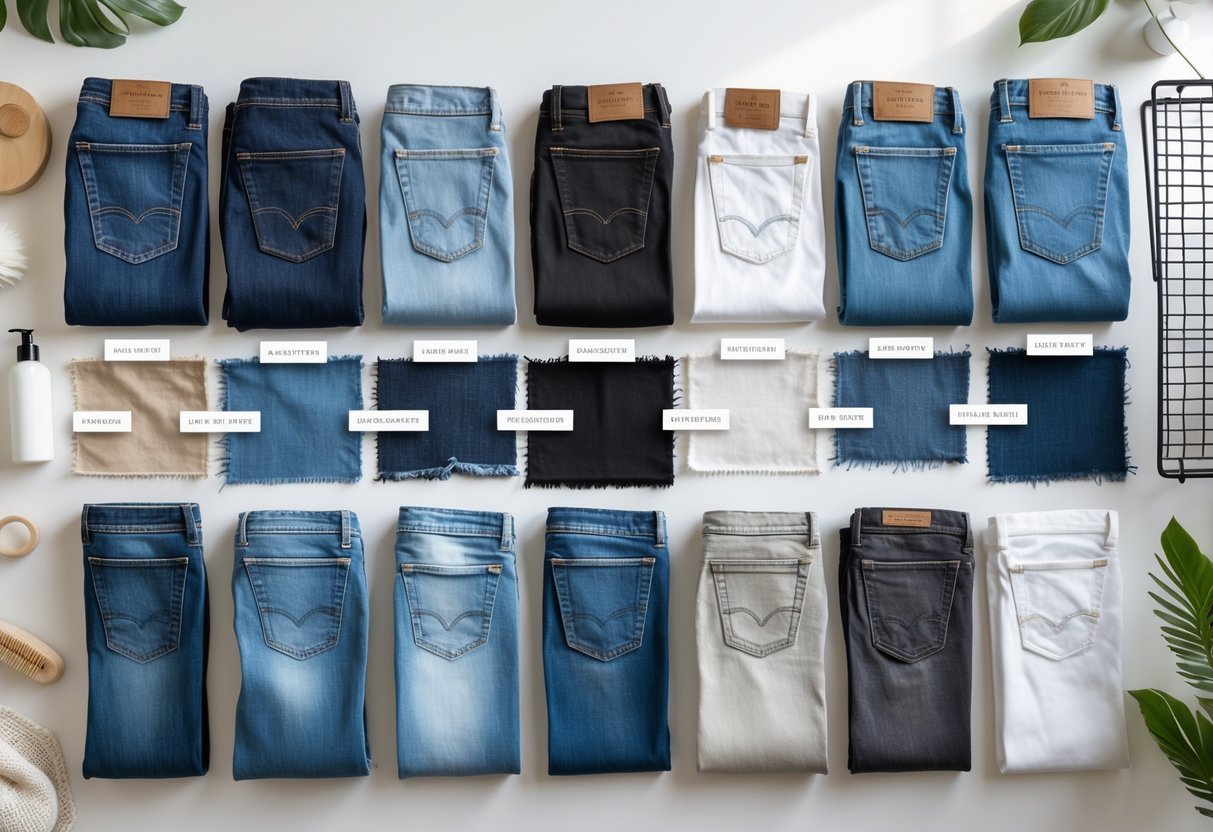
Different jeans fabrics require specific care to keep them looking their best and to last longer. Washing methods vary based on fabric type, and maintaining jeans properly helps preserve fit, color, and material strength.
Washing Recommendations by Material
Cotton denim should be washed inside out in cold water to prevent fading. Avoid using bleach or harsh detergents. Stretch denim, containing materials like elastane, needs gentle washing to keep elasticity intact.
Raw denim needs minimal washing to maintain its unique fading patterns. Washing in cold water by hand or spot cleaning is best for this fabric. Selvedge denim requires similar care, often cold washing with mild detergent to protect the tighter weave.
Jeans with stretch or moisture-wicking fabrics benefit from air drying rather than machine drying to preserve flexibility. For all materials, avoid frequent washing since denim usually doesn’t need heavy cleaning. Spot cleaning and airing out often are good alternatives.
Longevity and Maintenance Considerations
Storing jeans properly extends their lifespan. Hanging them helps avoid creases, while folding can work for denim with a looser weave. Keeping jeans away from direct sunlight preserves their color.
Avoid excessive washing to maintain fabric strength. Over-washing can cause thinning and loss of shape. For stretch denim, regular washing combined with gentle cycles prevents damage to fibers.
Repairs like patching holes or reinforcing seams help maintain jeans longer. Raw and selvedge denim especially benefit from occasional professional repair, given their premium nature. Proper care emphasizes gentle handling and minimal exposure to harsh chemicals.
Frequently Asked Questions
Jeans are made from a variety of materials and fabric types that affect their feel, fit, and durability. Different denim fabrics come with unique specifications, colors, and blends used in both men’s and women’s jeans.
What are the different materials used to make jeans?
Jeans are mostly made from 100% cotton denim. Some also include blends with elastane to add stretch and comfort. Selvedge denim and raw denim are other common materials, prized for their durability and unique aging process.
Can you list various denim fabric specifications?
Denim fabrics vary in weight, weave, and finish. They can be lightweight or heavyweight, tight or loose weave, and come with finishes like stone-washed or acid-washed. These specs impact the jean’s texture and wear.
How do the material compositions of men’s and women’s jeans differ?
Men’s jeans often use sturdier, heavyweight denim for a durable fit. Women’s jeans may include more stretch fabric blends like cotton-elastane to allow for better fit and mobility.
Could you identify the denim fabric types available for jeans production?
Common types include raw denim, which is untreated and stiff; selvedge denim known for its woven edges; stretch denim made with elastane; and washed denim, which is pre-softened and worn.
What distinguishes the types of denim colors used in jeans manufacturing?
Denim colors range from classic indigo to black, grey, and even colored denim. Color differences come from the dyeing process, washing techniques, and fabric treatments that create various shades and effects.
How many denim fabric variations exist for contemporary jeans styles?
There are multiple denim fabric variations, including classic 100% cotton, stretch blends, selvedge, raw, and washed denim. Each variation suits different style preferences and performance needs.