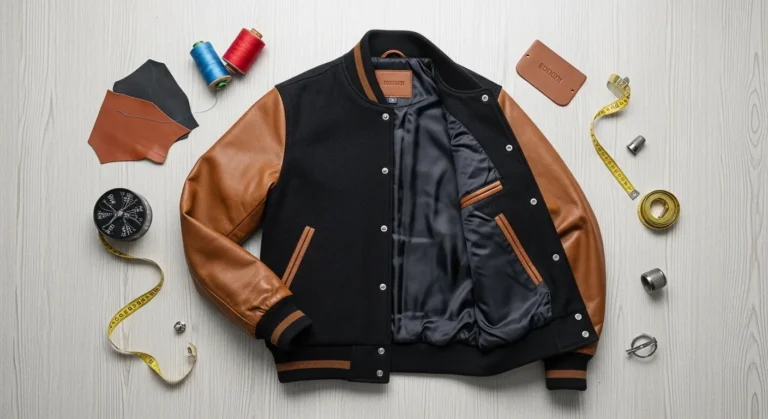
Choosing the right fabric for a hoodie is essential to ensure comfort, durability, and suitability for different activities and weather. The best hoodie material depends on factors like warmth, breathability, softness, and how the hoodie will be used, with popular options including cotton, polyester, fleece, and wool. Each fabric offers unique benefits, from the natural softness of cotton to the durability and moisture resistance of polyester.

Understanding what each material offers helps in picking a hoodie that matches your needs, whether it’s for casual wear, outdoor activities, or cold weather. Some fabrics are better for layering, while others provide warmth and protection on colder days. This guide explains the key qualities of different hoodie materials to help make the best choice.
Table of Contents
Key Takeways for Types of Hoodie Material
- The ideal hoodie fabric balances comfort and function based on use and weather.
- Natural fibers like cotton offer softness, while synthetics add durability and quick drying.
- Wool and fleece provide extra warmth, making them good picks for colder conditions.
Why Hoodie Fabric Matters for Types of Hoodie Material
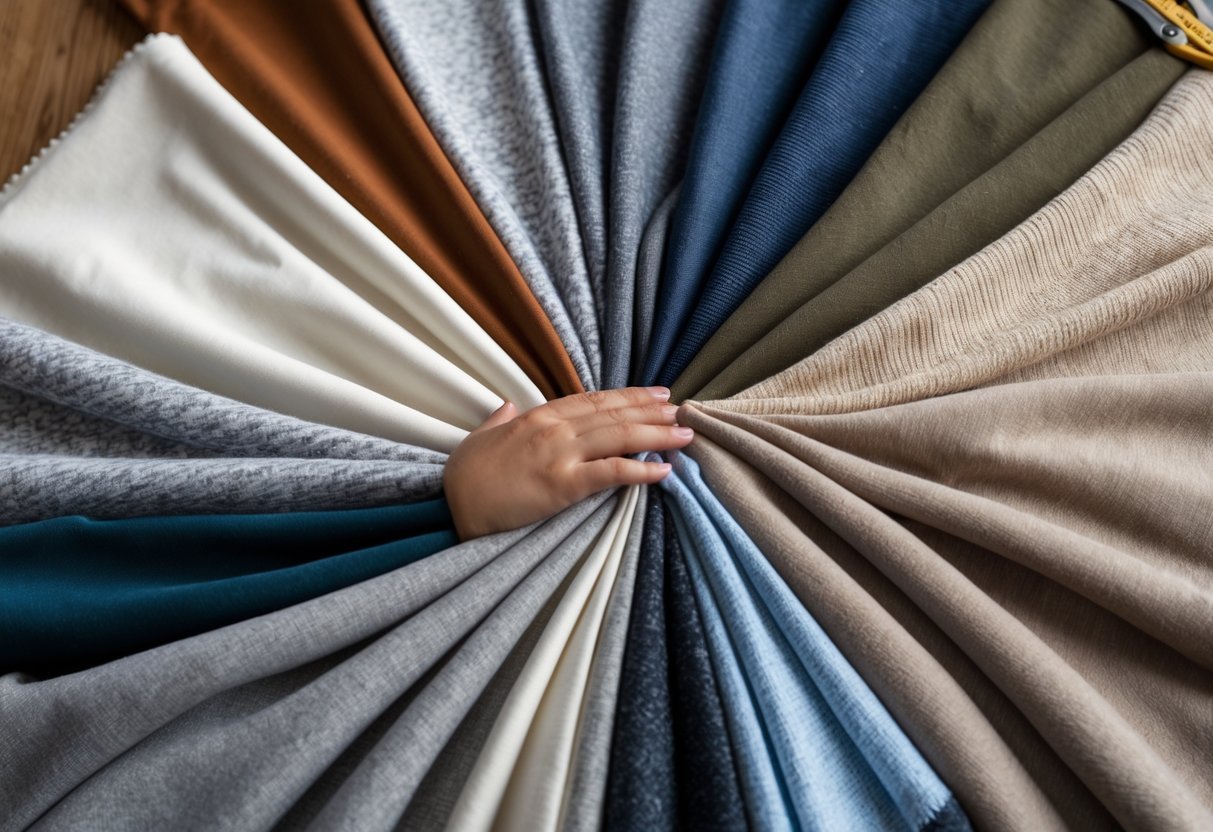
Choosing the right fabric is crucial because it affects how comfortable the hoodie feels, how long it lasts, and how well it suits different designs. The material impacts everything from warmth and softness to durability and style flexibility. Picking the best fabric for hoodies depends on understanding these key features.
Comfort and Wearability for Types of Hoodie Material
Hoodie fabric directly influences comfort and how wearable the garment is in various settings. Natural fibers like cotton offer softness and breathability, making them ideal for casual, everyday wear. Cotton allows air to flow, which helps keep the wearer cool, while also absorbing moisture to prevent discomfort.
Synthetic fabrics like polyester are less breathable but are often used in blends to add stretch and durability without sacrificing too much comfort. Fleece, made from spun polyester, provides soft insulation and a cozy feel, perfect for cooler weather. Wool offers warmth and breathability but can require more care and is less suited for warm climates.
Choosing the fabric also depends on the wearer’s activities. For example, lightweight cotton or cotton blends work well for layering and exercise, while wool or thick fleece fabrics are better for cold-weather wear.
Durability and Longevity for Types of Hoodie Material
Durability varies greatly between hoodie fabrics and affects how long the garment stays in good condition. Polyester is known for its strength, stain resistance, and ability to hold its shape even after many washes. It resists wrinkles and drying quickly makes it practical for frequent use.
Cotton is soft but can wear down faster, especially if it is thin or untreated. However, heavier cotton fleece or cotton-polyester blends improve durability without losing comfort. Wool is highly durable and resistant to damage thanks to its natural elastic fibers but often needs gentle washing to maintain its quality.
Choosing durable fabrics makes a difference for hoodies intended for daily wear or outdoor use, while softer, delicate fabrics like cashmere may suit occasional or luxury wear due to their need for careful maintenance.
Suitability for Types of Hoodie Material
Hoodie fabric choice affects how well a design works in both aesthetics and function. Heavier fabrics like fleece or wool hold shape well, making them suitable for styles with structure or insulation needs. Lighter fabrics such as jersey cotton are stretchier and more flexible, fitting casual and fitted designs better.
Fabrics also impact printability and embroidery. Cotton and cotton blends support clear prints and embroidery because they have smooth surfaces. Polyester can resist color fading, which is important for vibrant or busy designs. Some fabrics may also affect how easily hoodies can be layered or matched with outerwear.
The best fabric for hoodies depends on balancing look, feel, and how the design will be used. A performance hoodie may favor synthetic blends, while a luxury hoodie might rely on premium natural fibers like cashmere or Supima cotton.
Key Hoodie Fabric Types
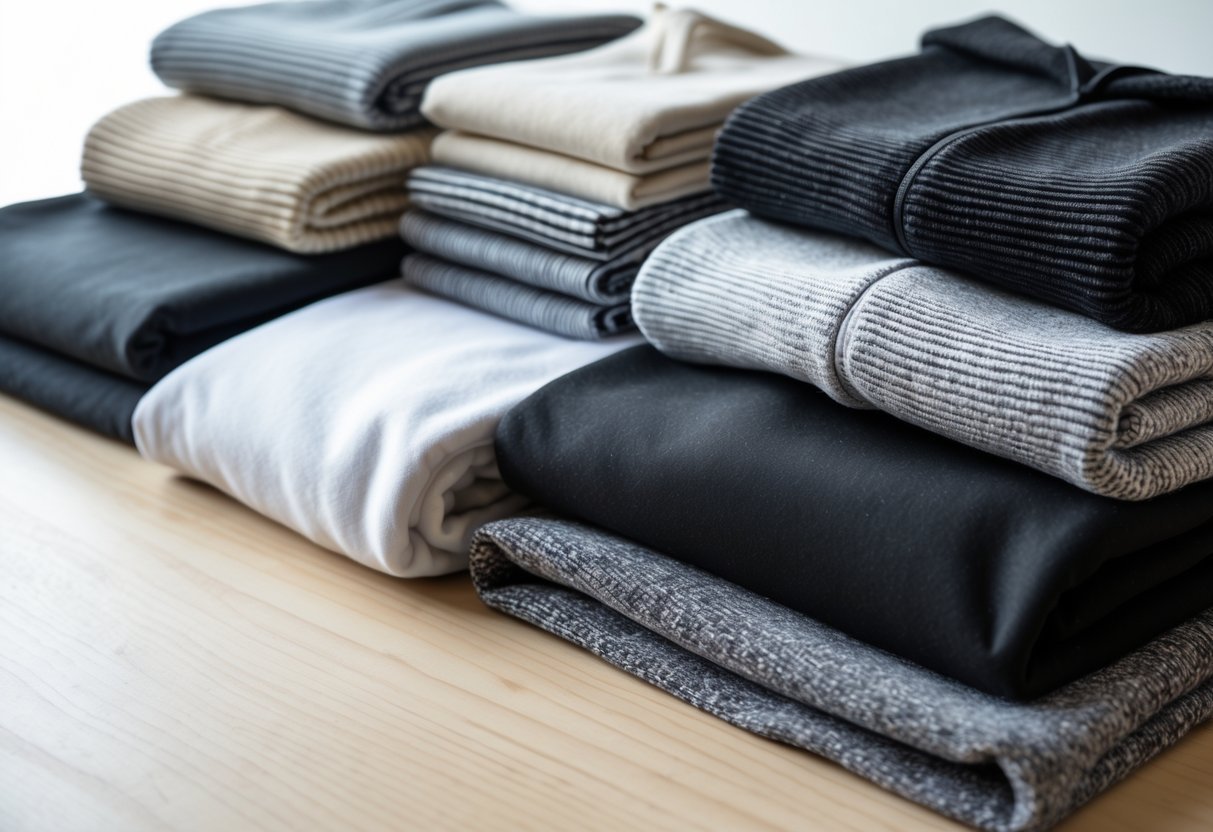
Hoodies come in fabrics that vary in warmth, durability, feel, and care needs. Choosing the right fabric depends on the wearer’s activities, climate, and comfort preferences. Some fabrics focus on natural softness, while others prioritize performance or insulation.
Cotton Hoodies
Cotton hoodies are popular for their natural softness and breathability. They absorb sweat well, making them comfortable for everyday use and mild weather. Cotton is hypoallergenic, which helps those with sensitive skin avoid irritation.
100% cotton hoodies feel soft but can shrink or fade if not cared for properly. They dry slowly when wet and are less suited for cold or damp conditions on their own. Cotton blends, mixing cotton with polyester, improve durability and reduce shrinking while keeping some breathability.
Cotton also works very well for direct-to-garment printing, allowing for bright, crisp designs. This makes cotton hoodies a favorite for both casual wear and custom merch.
Polyester Hoodies
Polyester hoodies are made of synthetic fibers known for their durability and resistance to shrinking, wrinkling, and fading. They dry quickly and wick moisture away from the skin, which is ideal for activewear or layering in cold weather.
Because polyester holds color well, hoodies made of this fabric keep their appearance longer through many washes. However, polyester is less breathable than natural fibers, which can cause overheating in warm conditions.
Polyester blends combine durability with some softness from cotton or other fibers. Pure polyester hoodies also shine in print durability, especially for sublimation and other vivid printing techniques.
Wool Hoodies
Wool hoodies offer excellent insulation and moisture management. Wool can keep the wearer warm even when damp by allowing air to circulate and wick sweat away. This makes it a solid choice for winter or cold, wet environments.
However, wool hoodies usually cost more and require gentle care because they are prone to shrinking if machine washed or dried improperly. Some people may find wool itchy, depending on the type used.
Wool’s thick, textured surface limits its use with direct-to-garment printing but works well with embroidery. It is more niche but worthwhile for those needing serious warmth.
Fleece Hoodies
Fleece fabric is soft and plush with a fuzzy interior that traps heat. Made from synthetic fibers like polyester, fleece hoodies are lightweight yet warm, making them ideal for cool weather without heavy bulk.
Fleece resists pilling and dries quickly, adding to its convenience for outdoor wear. It is breathable compared to many synthetic fabrics, while holding heat efficiently.
Because fleece is usually polyester-based, it handles print and embroidery well. Its insulating ability and softness make it a top choice for cozy, casual hoodies.
Cotton and Cotton Blend Variations
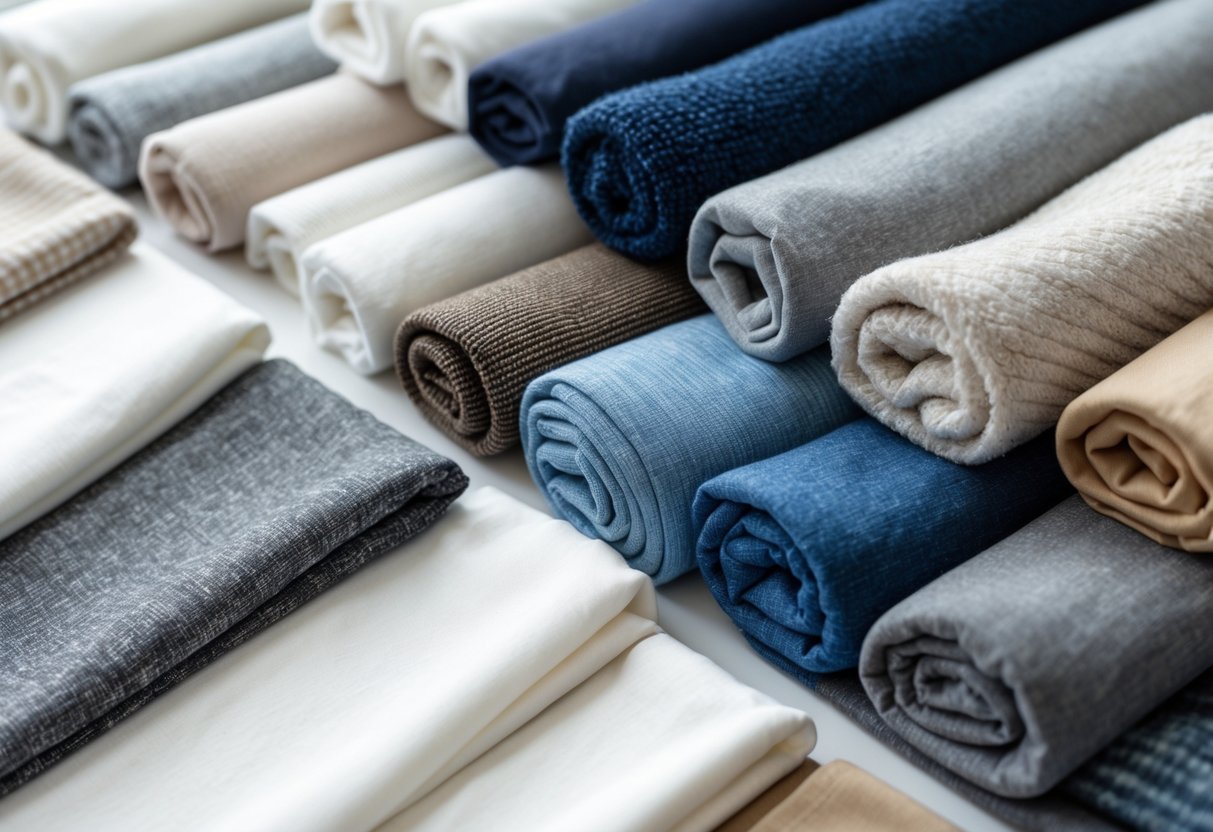
Different cotton fabrics offer specific benefits, whether pure or combined with synthetics. Each variation balances comfort, durability, and care needs differently, making them suitable for distinct uses and lifestyles.
100% Cotton Hoodie Features
A 100% cotton hoodie is made entirely from natural fibers that provide softness and breathability. It lets air pass easily, helping to keep the wearer cool indoors and warm when layered outside. The fabric feels gentle on the skin, which makes it a good choice for sensitive skin.
Over time, pure cotton softens further instead of wearing out. This creates a comfortable feel that adapts to the wearer’s body. However, these hoodies need careful washing to avoid shrinking or losing shape, especially if dried at high heat.
Cotton-Polyester Blend Hoodies
Cotton-polyester blends mix cotton’s natural softness with polyester’s strength and quick-drying features. These hoodies hold their shape better after washes and resist wrinkles and color fading longer than pure cotton.
This blend is practical for active people who need easy-care clothing for workouts or travel. However, polyester traps heat and moisture more than cotton, so the fabric may feel less breathable and soft, especially after wearing pure cotton hoodies.
Organic Cotton and Speciality Cottons
Organic cotton is grown without synthetic chemicals, making it a more eco-friendly option. Hoodies made from organic cotton still keep the softness and breathability of regular cotton but appeal to those who prioritize sustainability and chemical-free products.
Speciality cottons, like combed or ringspun cotton, have extra processing to make fibers finer and stronger. These provide a smoother, more luxurious feel and increased durability compared to standard cotton. They often appear in premium hoodie lines focused on comfort and quality.
Polyester and Advanced Synthetics
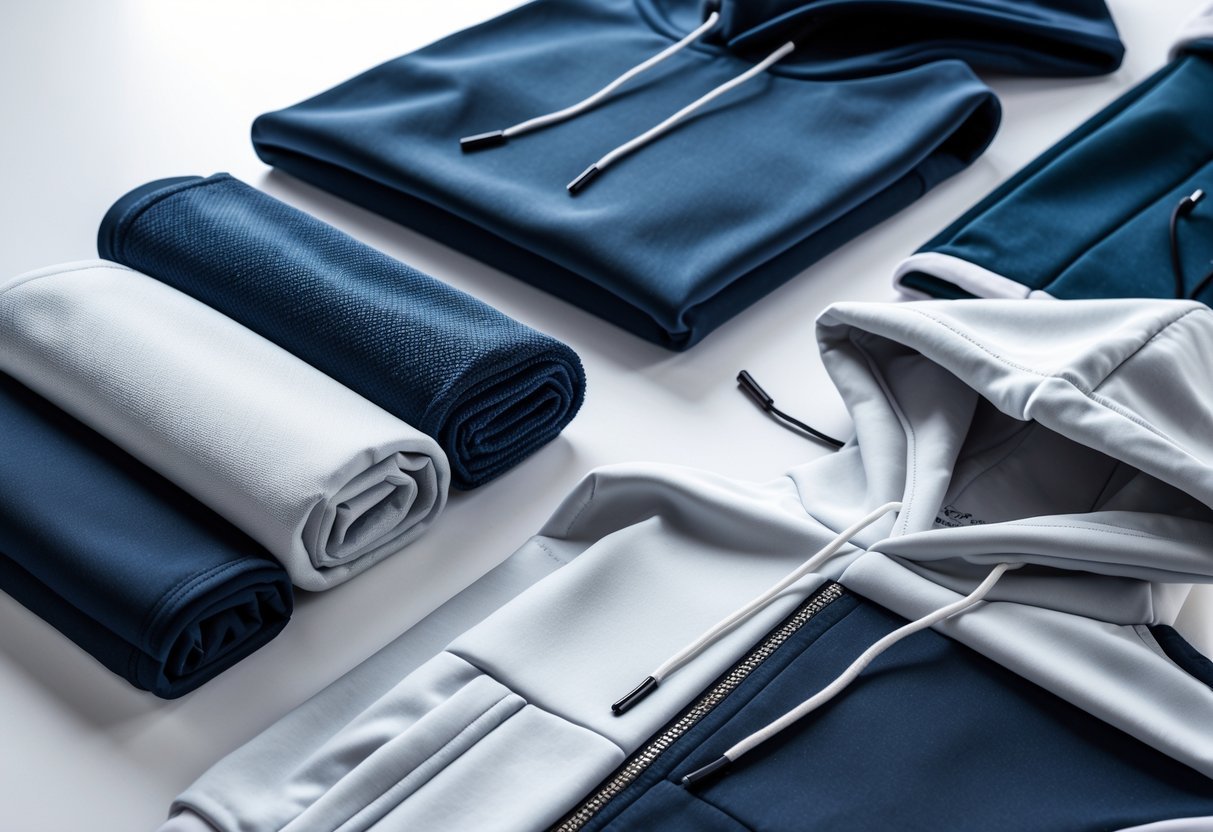
Polyester and synthetic materials offer strong durability and moisture resistance. They work well in outdoor and active settings because they dry fast and resist wrinkles. Some blends improve softness and breathability while keeping polyester’s toughness.
Polyester Fleece and Recycled Polyester
Polyester fleece is popular for hoodies because it is soft, warm, and lightweight. It traps heat well while still allowing some breathability. Many polyester fleece hoodies resist pilling and water to a degree, making them suitable for casual wear and light outdoor use.
Recycled polyester is made from reused plastic bottles or other waste, providing an eco-friendly option. It keeps the same durability and moisture resistance but reduces environmental impact. Recycled polyester fleece hoodies offer comfort and sustainability without sacrificing performance. They wash easily and maintain shape over time.
Polyester Blends and Tri-Blends
Polyester blends combine polyester with cotton or other fibers. This adds softness and improves breathability while retaining durability and wrinkle resistance. A common mix is a cotton-polyester blend, which balances comfort and strength, making hoodies less likely to shrink or fade.
Tri-blend fabrics add a third fiber, usually rayon, for extra stretch and softness. These blends create lightweight, flexible hoodies with a vintage feel. Polyester blends support easy care and longer wear, ideal for casual or athletic use.
Nylon and Nylon Blend Hoodies
Nylon is another strong synthetic often used in blends with polyester or cotton. It increases hoodie strength and abrasion resistance. Nylon blends dry quickly and resist wind, making them suitable for active use or outerwear.
Nylon on its own feels smooth and light but often lacks breathability. Blending nylon with other fibers improves comfort and adds a sleek appearance. Nylon blend hoodies hold up well to frequent wear and provide good protection against weather elements.
Specialty and Eco-Friendly Hoodie Materials
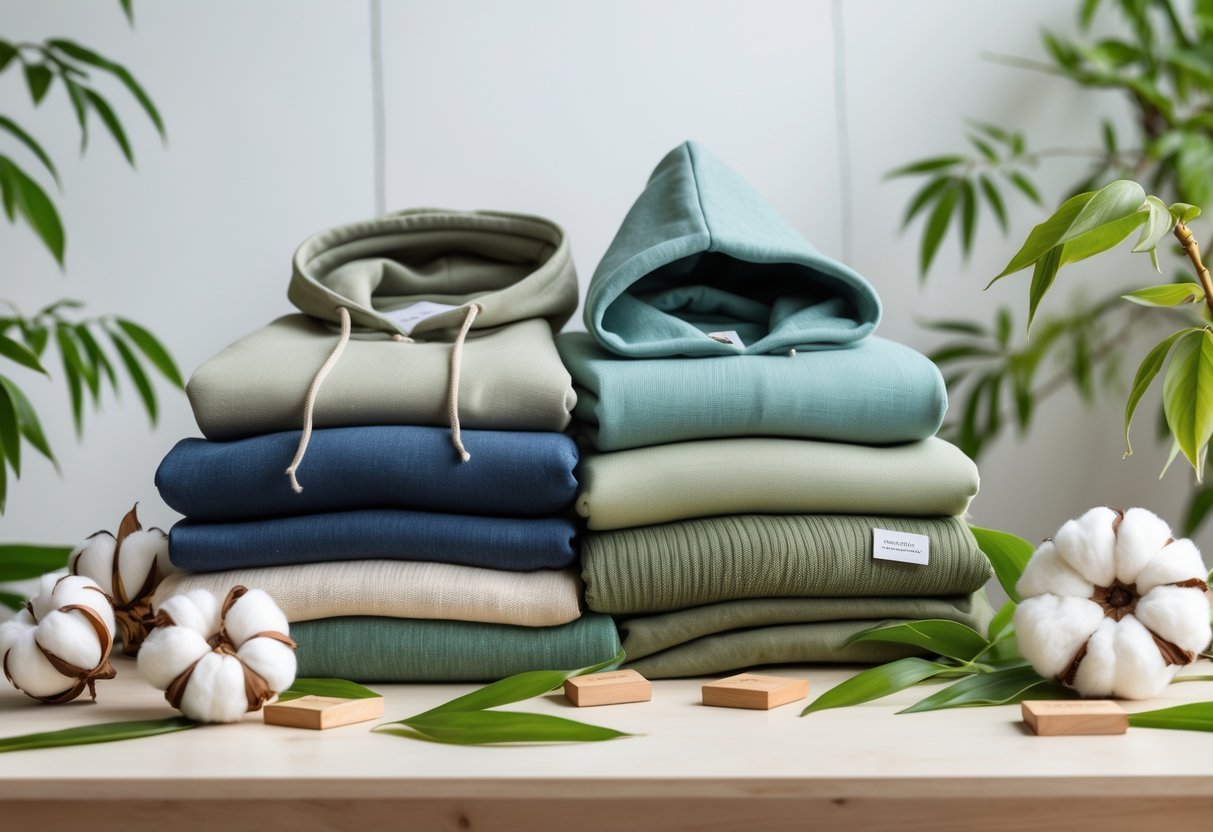
Choosing the right fabric affects more than just comfort; it also impacts durability and environmental footprint. Some materials offer natural benefits like moisture control or softness, while others require less water and chemicals during production. The following fabrics blend performance qualities with eco-conscious features.
Bamboo Fabric Hoodies
Bamboo fabric combines softness and breathability, making it ideal for midweight hoodies. It has natural antibacterial properties that help manage moisture and reduce odor. When blended with organic cotton, bamboo adds stretch and durability, typically in a 70/30 ratio for a balanced feel.
However, processing bamboo can involve chemicals unless made in closed-loop systems that recycle water. The fabric performs well in moderate to warmer climates because it allows air circulation. Color fastness can be a concern, so careful dyeing is needed to prevent fading after multiple washes.
French Terry and Jersey Fabric
French terry and jersey are popular choices for hoodies because of their texture and weight differences. French terry has small loops on the inside, providing warmth and softness without bulk. It’s often made from cotton or cotton blends and works well for casual and athletic wear.
Cotton jersey, a stretchier fabric, offers smoothness on one side and slight texture on the other. It is lighter than French terry and better suited for warmer weather or layering. Both fabrics hold printed designs well and are relatively easy to care for. Choosing organic cotton versions supports sustainability efforts by reducing pesticide use.
Merino Wool and Wool Fabric
Merino wool provides excellent insulation while remaining breathable and moisture-wicking. It naturally resists odors and can regulate temperature, making it suitable for cooler weather hoodies. Merino is finer and softer than traditional wool, offering comfort next to the skin without itching.
Wool fabric, though warmer, can be heavier and less flexible. It is durable and fire-resistant but may require special care to avoid shrinking. Merino and wool hoodies tend to cost more but offer high performance for outdoor use. Blends with synthetic fibers can improve durability and fit, though eco-conscious shoppers should look for responsibly sourced wool.
Factors to Consider When Choosing Hoodie Fabric
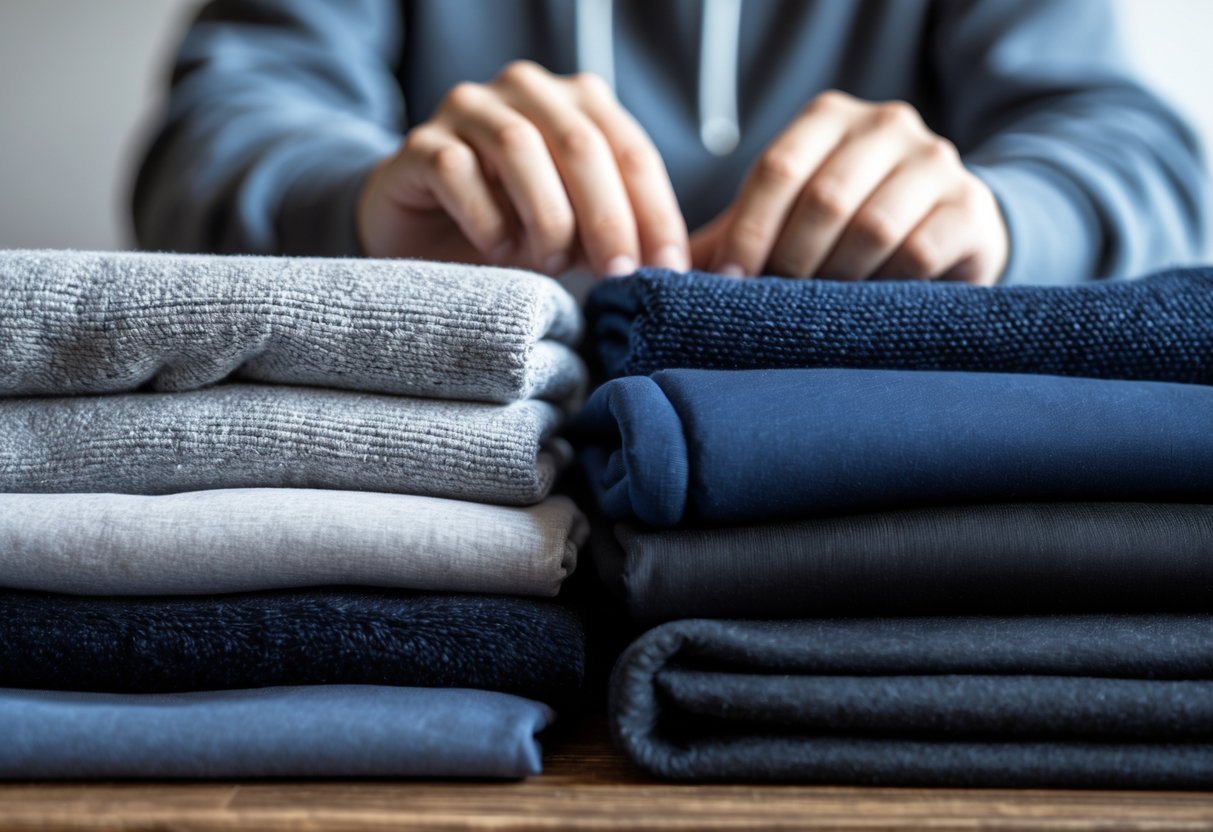
Selecting the right fabric for hoodies depends on several specific factors. The weight and thickness of the fabric, how well it suits different seasons, its intended use, and how it handles printing methods all influence the final product’s quality and appeal.
Fabric Weight and GSM
Fabric weight is often measured in grams per square meter (GSM). This number shows how dense or heavy the material is. Lighter fabrics, around 180-250 GSM, are usually better for thin, breathable hoodies suited for mild weather or layering. Medium weights, from 250-350 GSM, strike a balance between warmth, comfort, and durability. These are common in everyday sweatshirts and custom hoodies because they offer softness with enough thickness for moderate weather.
Heavier fabrics above 350 GSM provide excellent insulation and durability. Fleece hoodies and wool hoodies typically fall in this range. They are thicker, warmer, and often used in winter collections. Choosing the right GSM ensures the hoodie meets warmth expectations without being too bulky.
Seasonal Suitability for Types of Hoodie Material
The season has a direct impact on fabric choice. For warm seasons or mild climates, lightweight fabrics like cotton, French terry, or cotton blends are ideal. They provide breathability and comfort while preventing overheating.
For colder months, thicker fabrics such as fleece or wool are preferred. Wool hoodies naturally regulate temperature and wick moisture, making them excellent for outdoor use in winter. Fleece fabric offers lightweight warmth and softness with good insulation. Picking fabric based on season helps keep wearers comfortable and protects against weather conditions.
Purpose: Casual, Sports, or Custom Hoodies
The intended use of the hoodie guides fabric selection. Casual hoodies often favor cotton or cotton-polyester blends. These materials provide softness, ease of care, and moderate warmth. Custom hoodies for branding or fashion can include more varied fabrics like French terry or blends with spandex for stretch and comfort.
Sports or activewear hoodies require fabrics that wick moisture and stretch. Polyester and polyester blends with spandex are common here as they dry quickly, maintain shape after washing, and allow movement. Understanding the hoodie’s purpose ensures fabric choice balances comfort, durability, and functionality.
Printability: Screen and Sublimation Printing
The choice of fabric also affects printing options. Cotton and cotton-polyester blends are excellent for screen printing and embroidery because they absorb ink well and hold designs clearly. This makes them popular for custom hoodies and sweatshirts with logos or prints.
Polyester fabrics work best with sublimation printing. Sublimation infuses ink directly into the fibers, yielding vibrant, durable designs without adding texture. However, sublimation only works on polyester or poly-coated fabrics.
Fleece and wool hoodies may require special embroidery or thicker threads due to their texture, which can affect print clarity. Matching fabric with the right printing method ensures the design lasts and looks sharp.
Frequently Asked Questions
Choosing the types of Hoodie Material involves balancing comfort, durability, and the intended use. Understanding blends, fabric weight, and seasonal suitability helps make an informed choice.
What is the ideal fabric blend for a comfortable and durable hoodie?
A blend of cotton and polyester is often ideal. A 50/50 blend balances softness and breathability from cotton with the durability and moisture-wicking properties of polyester.
Higher cotton blends like 80% cotton and 20% polyester offer premium softness but may wrinkle more. For activewear, blends with more polyester provide better durability.
How does the GSM (grams per square meter) of hoodie fabric affect its quality?
GSM measures fabric weight and thickness. Higher GSM means thicker, heavier fabric, which usually provides better warmth and durability.
Lower GSM fabrics are lighter and more breathable, suited for mild weather or layering. Choosing GSM depends on the climate and hoodie purpose.
What types of fabrics are recommended for warmth in winter hoodies?
Fleece and wool blends are excellent for warmth. Fleece traps heat well and is lightweight, while wool offers breathability and natural insulation.
Polyester also works for winter as it holds warm air but may lack breathability. Choosing insulated fabrics is key for cold climates.
Where can one find high-quality fabrics for making hoodies?
High-quality fabrics come from specialized textile suppliers or manufacturers focused on hoodie materials. Europe and China have many reputable suppliers offering blends and customization options.
Look for suppliers who provide certified organic or recycled materials for sustainability.
What are the characteristics of hoodie materials that are suitable for summer wear?
Summer hoodies require breathable, moisture-wicking fabrics. Cotton and rayon are popular choices due to their softness and air circulation.
French terry is light with good sweat absorption, making it suitable for warmer weather. Lightweight fabrics with low GSM work best.
How can you distinguish a premium quality hoodie from an inferior one?
Premium hoodies use higher cotton content or sophisticated blends with consistent stitching and fabric feel. The material will be soft, durable, and hold its shape after washing.
Look for smooth seams, no pilling, and vibrant colors. Brand reputation and fabric certification like GRS for recycled polyester are also indicators.