Garment samples play a key role in the apparel production process. They help designers, manufacturers, and buyers check the fit, design, and quality of clothing before mass production. Understanding the different types of samples can improve communication and reduce costly mistakes.
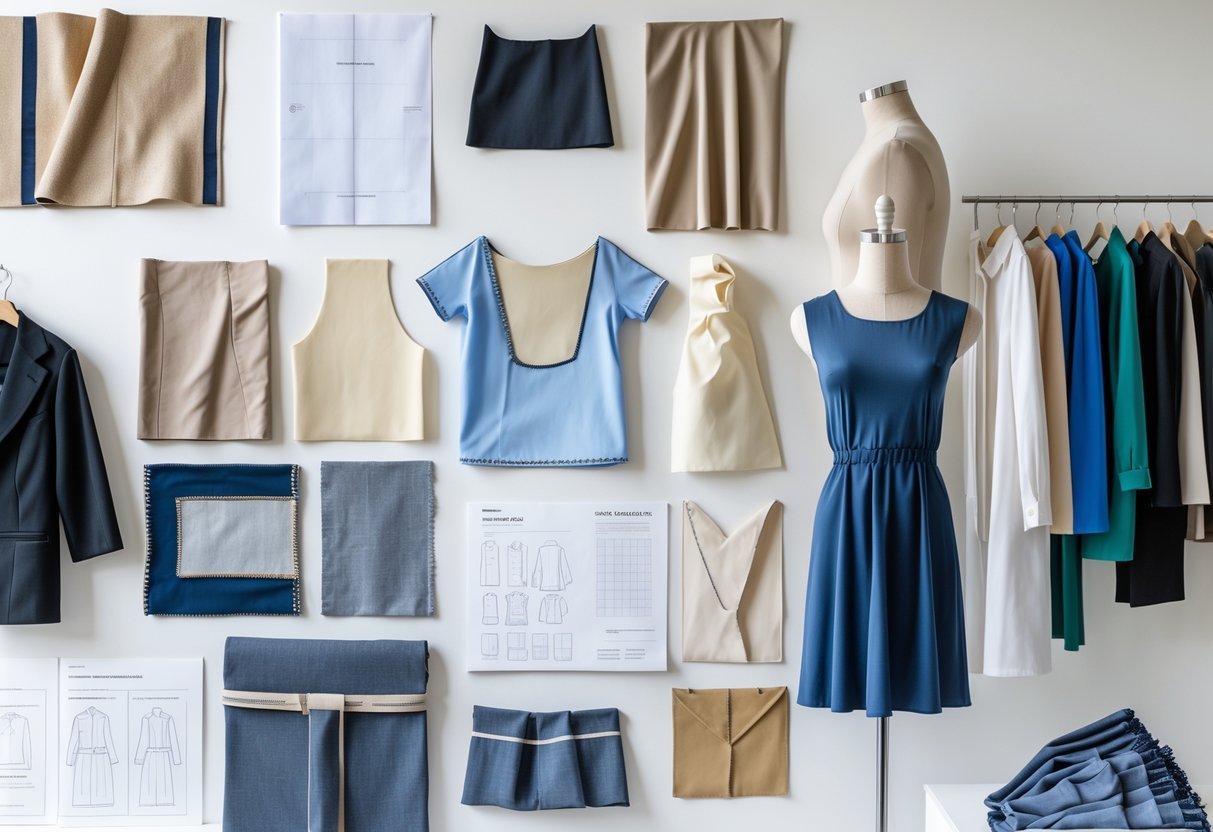
Knowing the 12 types of garment samples is essential for anyone involved in making or selling clothes because each type serves a specific purpose in creating a finished product. These samples guide the development process from the first design idea to the final shipment, ensuring the garment meets the required standards.
Table of Contents
1) Prototype Sample
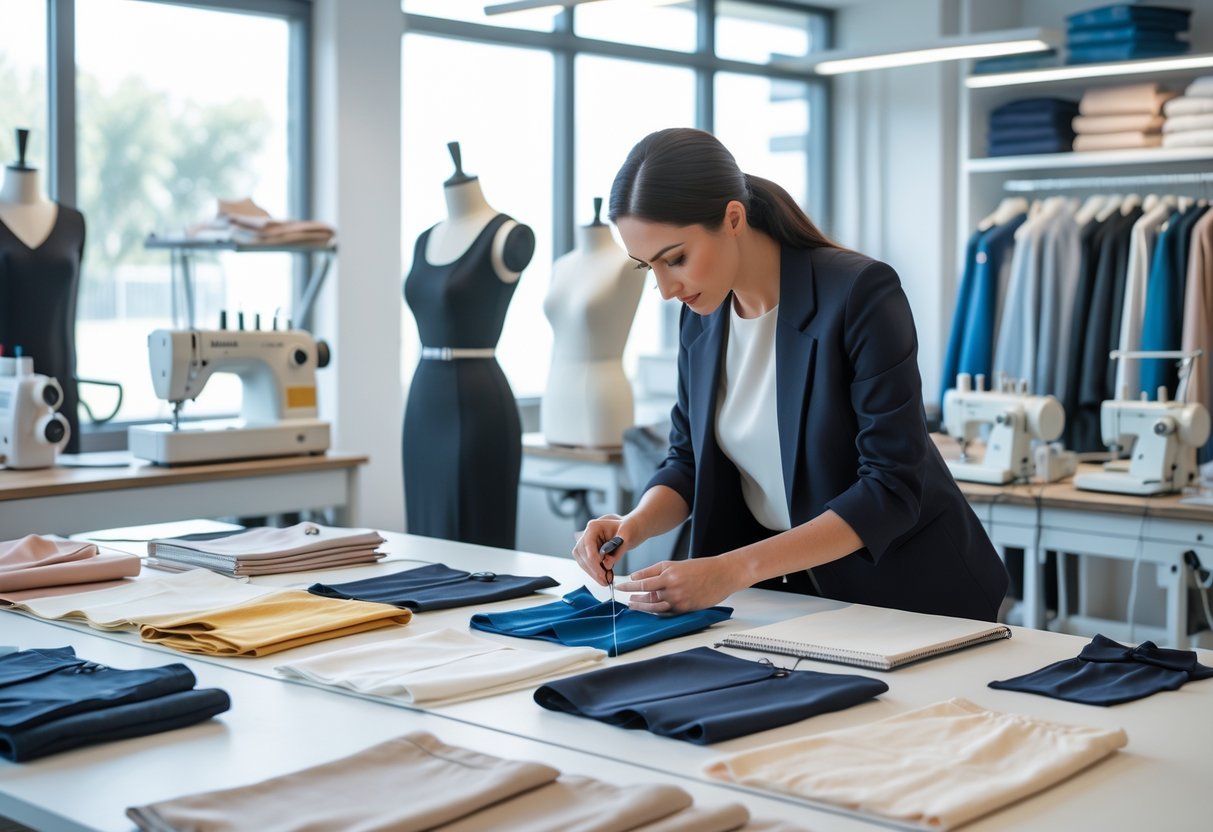
The prototype sample is the first physical version of a garment. It is created based on the initial design and sketches. This sample helps designers and manufacturers see how the concept looks in real life.
Its main purpose is to test the design’s feasibility. The prototype shows the garment’s shape, style, and details. It allows adjustments before moving forward with production.
Manufacturers use prototype samples to check materials, construction, and overall appearance. They also identify any issues early, such as fitting problems or design flaws. This saves time and money later.
This sample is not always perfect. It is a trial version meant for assessment and review. Feedback from the prototype leads to necessary changes in the garment design or patterns.
In short, the prototype sample is a crucial step in the apparel production process. It bridges the gap between the idea and the final product.
2) Fit Sample
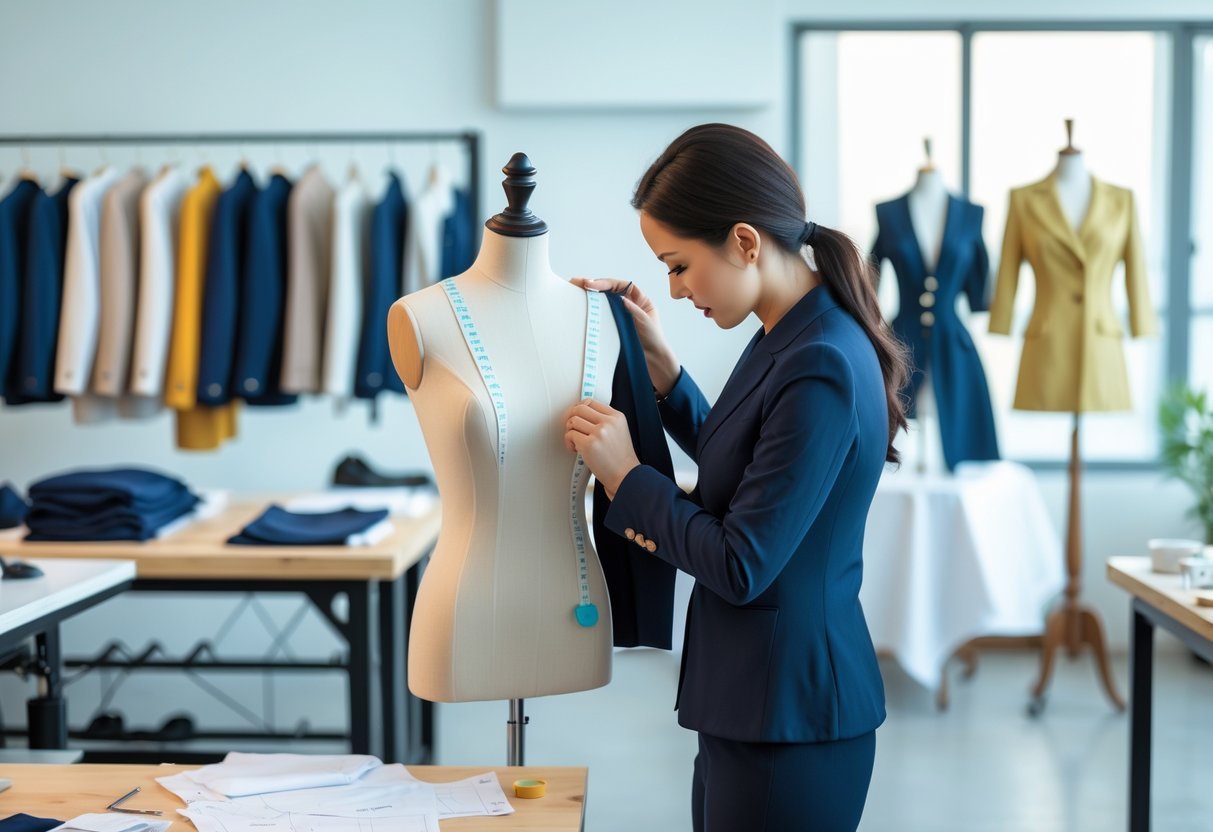
A fit sample is made to check the shape, size, and overall look of the garment. It helps designers and manufacturers see if the clothing fits as planned. This sample is tested on models or mannequins to ensure comfort and proper measurements.
The fit sample allows changes before full production begins. If the garment looks tight, loose, or uncomfortable, adjustments are made at this stage. It saves time and money by catching fit problems early.
Fit samples also test how the garment moves when worn. This is important for clothes meant for active use. The sample gives a clear idea of how the fabric behaves and whether the design works well in real life.
This type of sample is one of the most common in apparel production. It plays a key role in creating clothes that meet customer expectations for fit and style. Manufacturers often show fit samples to buyers or internal teams for feedback.
3) Size Set Sample
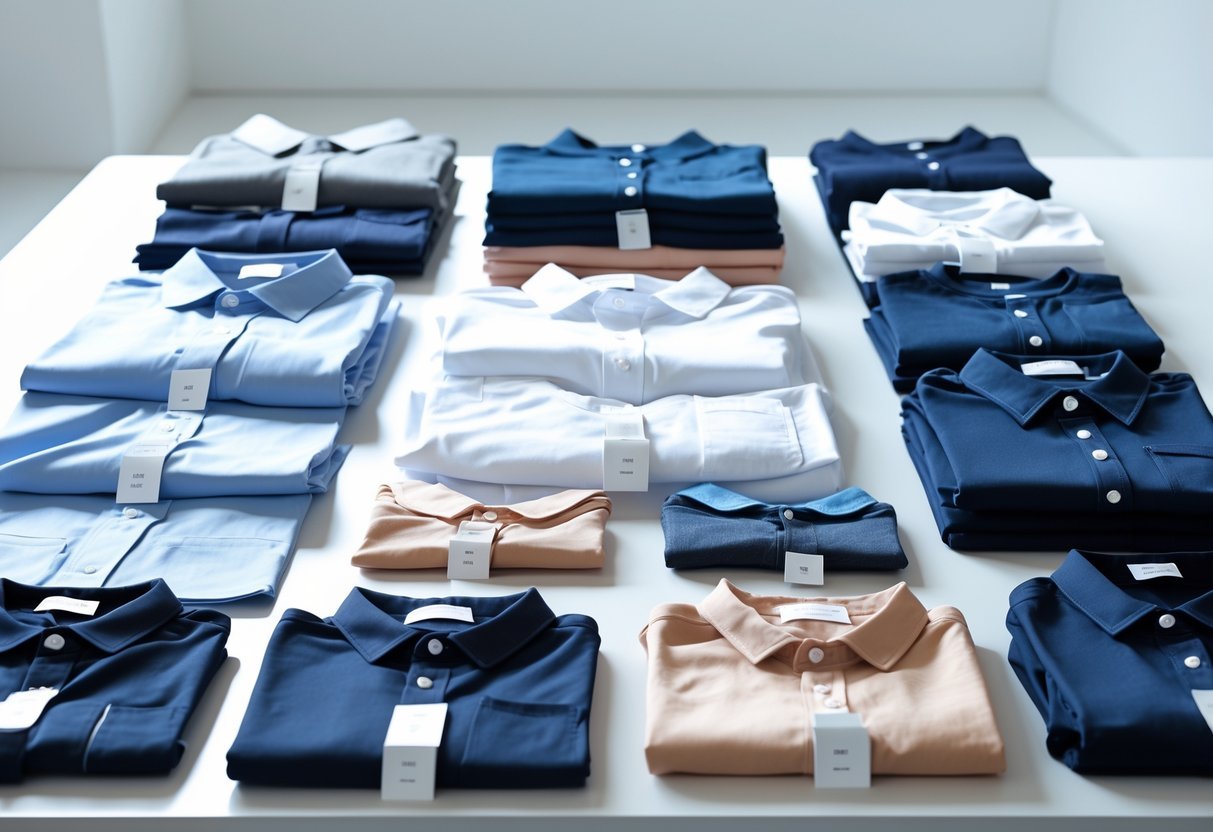
The size set sample is made to check how a garment fits across different sizes. It includes the same style but is produced in a range of sizes, usually small to large. This helps verify that the design and pattern work well for all intended size options.
Manufacturers use size set samples to spot fit issues and make adjustments before mass production. The sample shows if any sizes need changes in length, width, or proportions. This step ensures consistency in fit, which is important for customer satisfaction.
This sample type is also important for grading, the process that changes the pattern from one size to another. The size set sample confirms that the grading is accurate. It helps avoid costly errors that may happen if production starts without proper fit checks for all sizes.
Overall, the size set sample plays a key role in making sure garments meet size standards and fit well across the whole size range. It acts as a quality control step before production moves forward.
4) Salesman Sample

A salesman sample is a garment made using the actual production fabric. It is created before mass production begins. This sample helps show buyers what the final product will look like.
Salesman samples are important for marketing. They are used in photos, displays, and presentations to attract potential buyers. These samples give a realistic view of the garment’s quality, fit, and design.
Producers usually make at least two or three salesman samples for each style. This allows for any final checks and adjustments. The goal is to ensure the garment is ready for full production.
This sample also helps brands confirm details like fabric, stitching, and overall appearance. Any issues found can be fixed early, preventing problems during later stages. It plays a key role in linking the design process with actual manufacturing.
5) Photoshoot Sample
The photoshoot sample is a garment made specifically for marketing and promotional purposes. It is usually a high-quality version of the final product. The goal is to showcase the clothing in lookbooks, catalogs, or online stores.
This sample must look perfect on camera. Designers pay close attention to details like fit, fabric, and color. Any flaws can affect how the garment appears in photos, which could mislead customers.
Photoshoot samples often arrive before full production. This helps the marketing team plan campaigns ahead of the product launch. They also use these samples to create social media content and advertisements.
Because they are made for visual impact, these samples sometimes have minor differences from production pieces. However, they still represent the intended final design clearly. This sample plays a key role in building interest and trust in the brand before sales begin.
6) Pre-Production (PP) Sample
The Pre-Production (PP) sample is made right before mass production starts. It is created using the exact fabrics, trims, and designs planned for the final product. This sample helps ensure everything is ready for the main production run.
Manufacturers use the PP sample to check the quality and details closely. It shows if the garment matches the standards set by the designer or brand. Any changes needed can be made before large quantities are made.
Buyers often see the PP sample to approve the final look. It is also used for marketing photos or sales presentations. This sample acts as the last check to avoid errors in bulk production.
Overall, the PP sample confirms that the product is consistent and meets all requirements. It reduces risks by catching problems early in the process. This step is important in making sure the final garments are exactly as expected.
7) GPT Sample
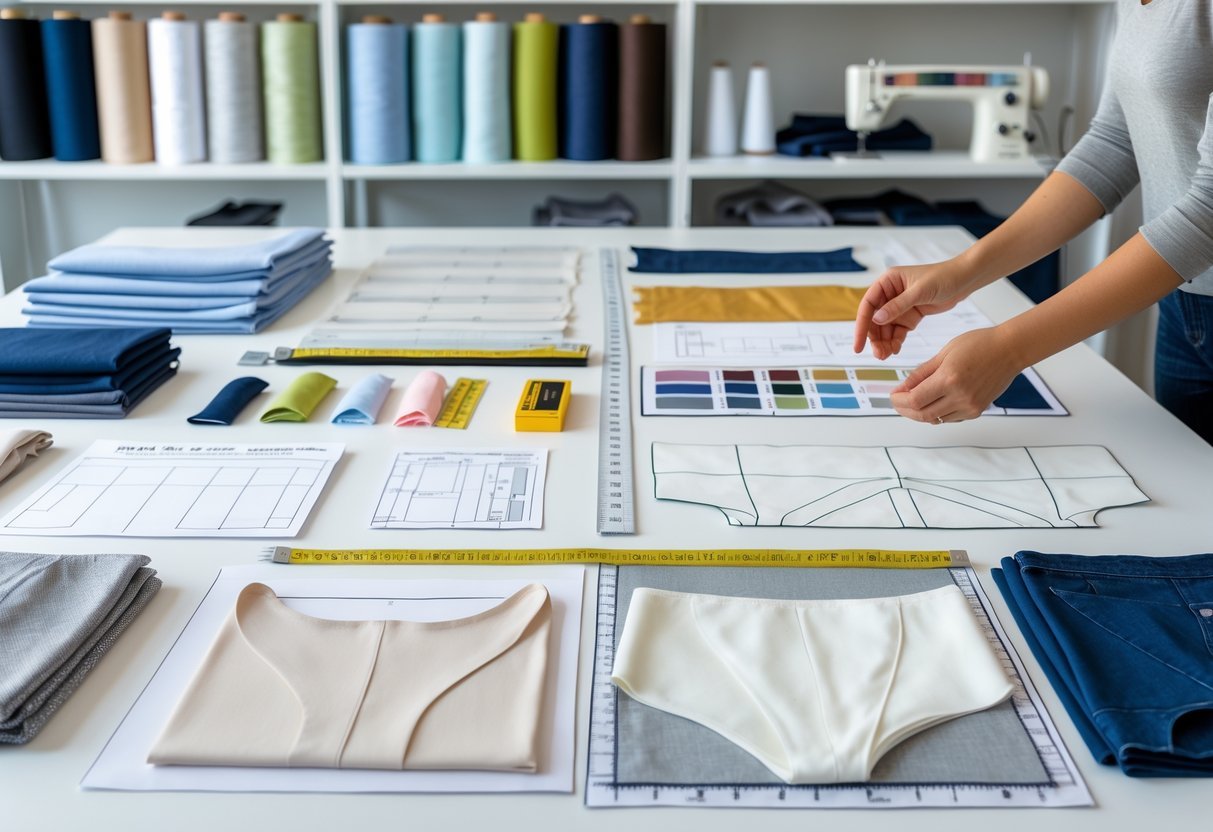
The GPT sample, or Garment Performance Test sample, is taken from mass production batches. It is sent to a testing facility to check the garment’s quality and durability. This sample type is vital for confirming that the finished product meets all required standards.
Tests performed on GPT samples include checking print quality, seam strength, and resistance to chemicals on metal parts. They also test seam slippage and button-pulling ability to ensure the garment holds up during use. This helps catch any production issues early.
By using GPT samples, manufacturers can verify consistency across bulk production. It ensures that every piece matches the quality of the approved sample before shipping. This reduces the risk of defects reaching customers or stores.
8) Shipment Sample
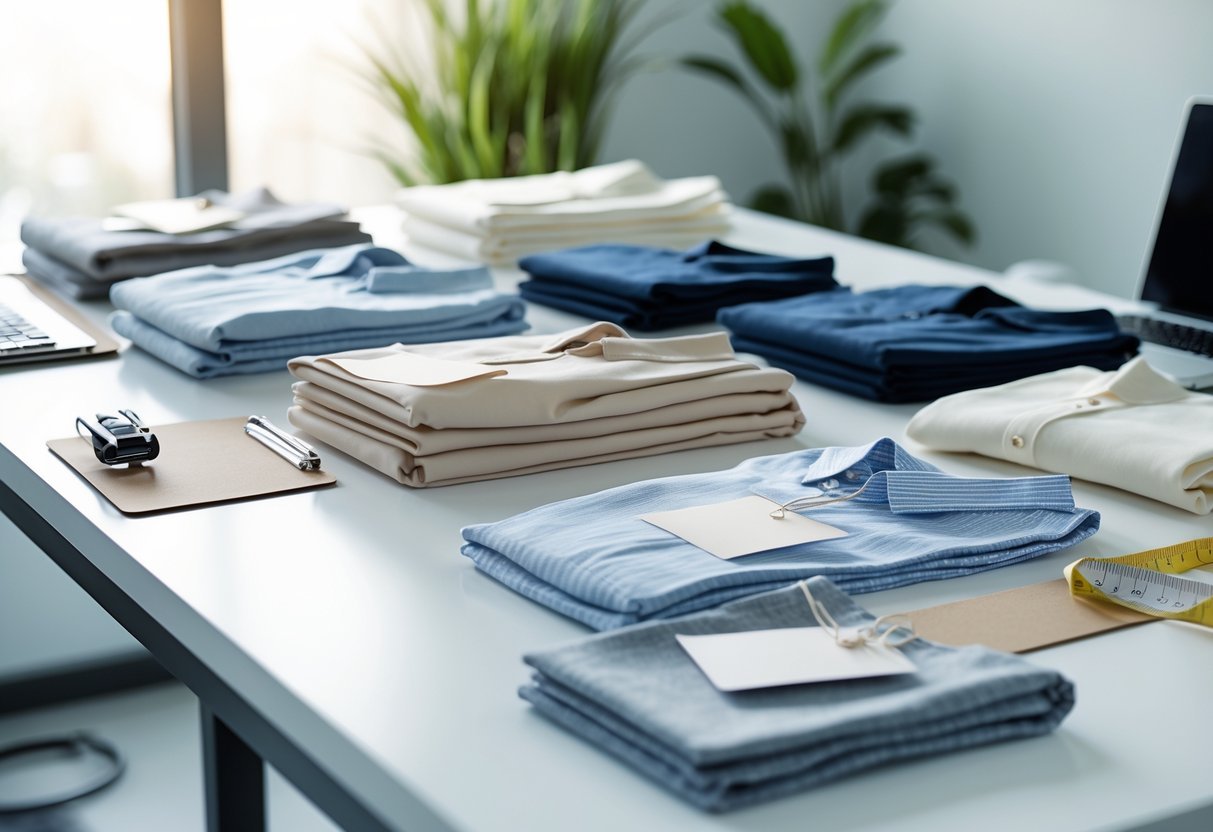
The shipment sample is the final version of the garment sent before full production begins. It shows exactly how the product will look when delivered to customers. This sample helps verify that all production standards are met.
Manufacturers use shipment samples to check details like color, fabric, fit, and workmanship. Any issues found here must be fixed before the big order is made. This step reduces the risk of mass production mistakes.
Brands and buyers often use shipment samples to approve the order. They compare these samples to earlier ones to ensure that changes requested during development have been applied correctly.
The shipment sample is important because it acts as a reference for the factory during production. It sets clear expectations and keeps quality consistent across the entire batch of garments.
9) TOP Sample
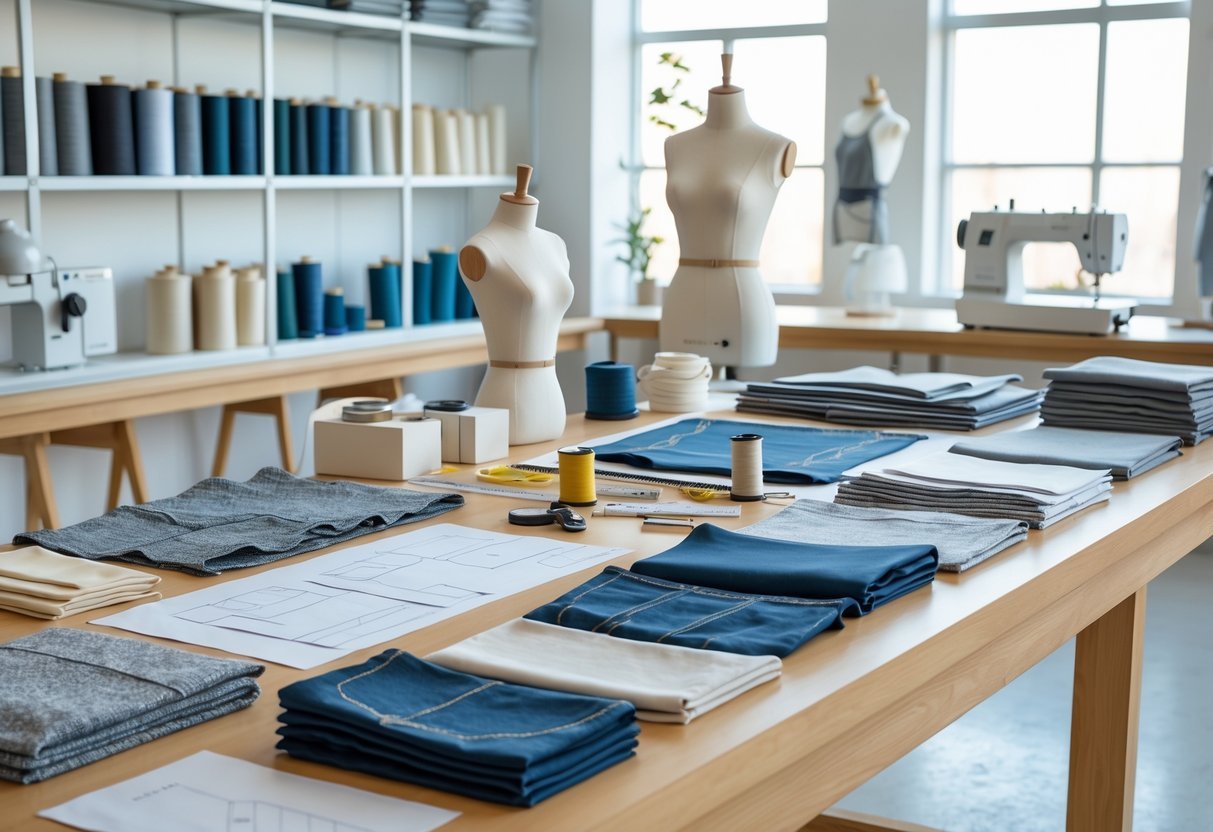
The TOP sample is one of the final samples made before mass production begins. It is called the “TOP” sample because it represents the top quality the manufacturer can produce. This sample shows the exact materials, trims, and workmanship planned for the final product.
The purpose of the TOP sample is to get approval from the buyer or brand. They check if the garment meets all design details, fit, and quality standards. If the TOP sample passes inspection, it guides the factory for the entire production run.
This sample is key to avoiding quality issues later. It also helps confirm costing and material choices. Manufacturers often adjust based on feedback from the TOP sample to ensure consistency.
Unlike early samples used for design or fit, the TOP sample focuses on perfecting the final look and feel. It is the closest representation of what customers will ultimately receive.
10) Counter Sample
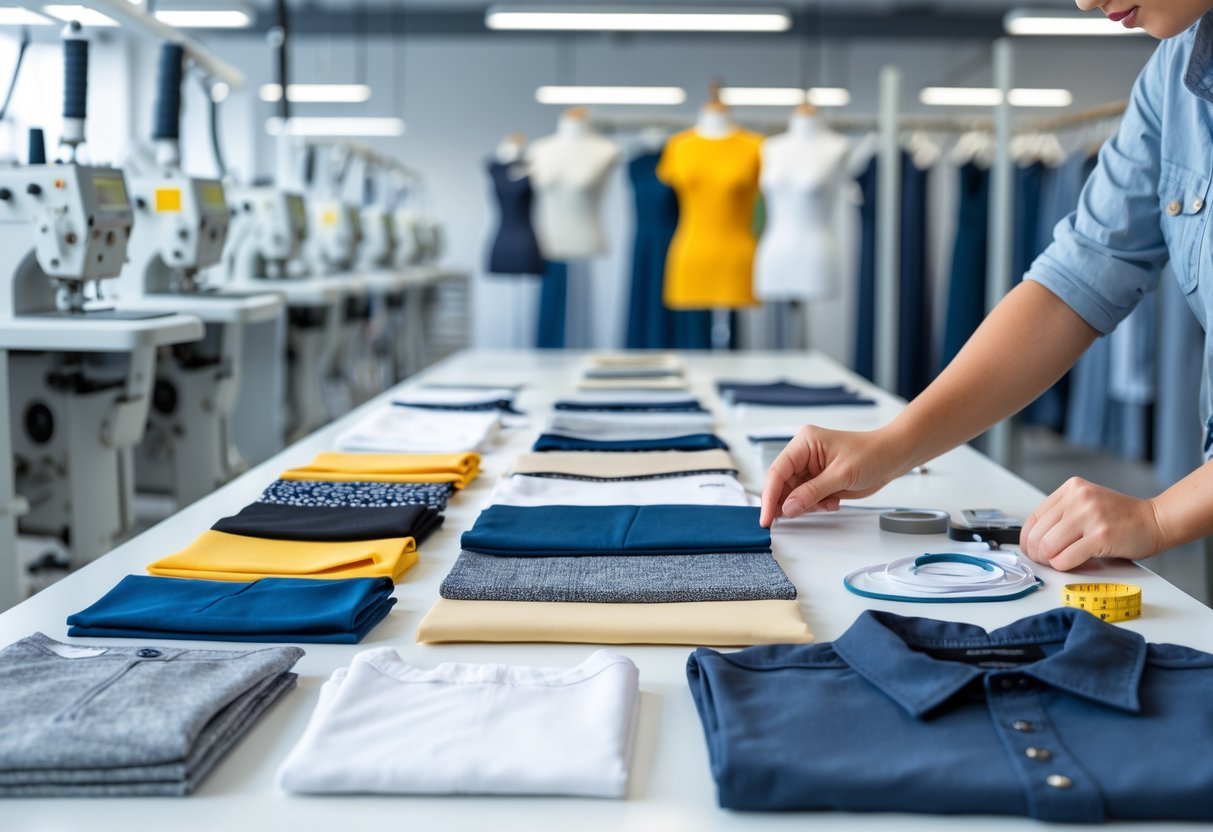
A counter sample is created after the buyer reviews the initial samples and requests changes. It reflects modifications based on feedback to meet the buyer’s expectations more closely. This sample is essential for confirming that the adjustments have been correctly made.
The counter sample helps both the manufacturer and buyer ensure the product matches the desired design and quality. It can include changes in fit, fabric, color, or construction details. This step prevents costly errors before larger production begins.
Manufacturers use counter samples to demonstrate their ability to follow instructions and improve the product. The buyer gains a clearer idea of the final garment’s look and feel. The process might repeat if further changes are needed until the sample is approved.
11) Wash Sample
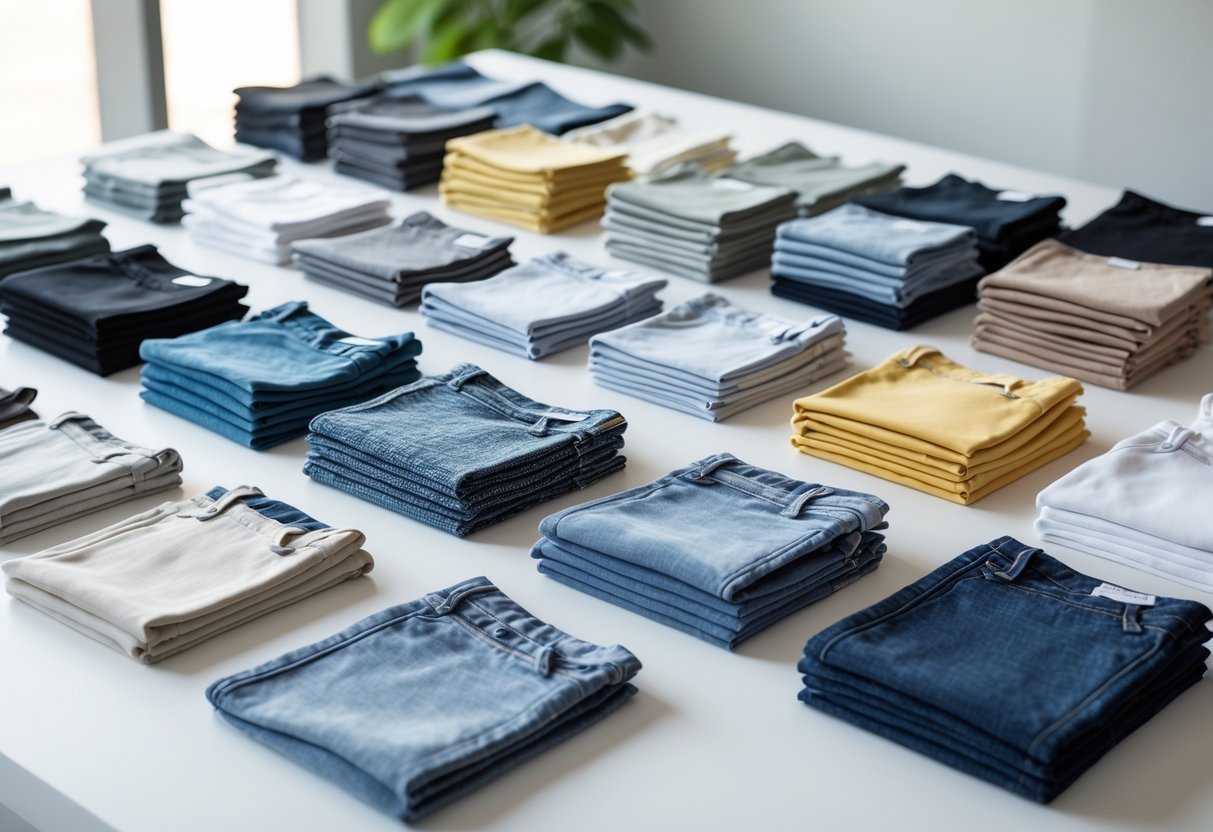
A wash sample is created to test how a garment holds up to washing processes. It shows how the fabric, colors, and trims react after being washed. This sample helps identify any changes in size, shape, or color that might occur.
Manufacturers use wash samples to ensure the final product maintains its quality after real-life use. They can detect shrinking, fading, or damage early in production. This prevents problems for customers once the garment is sold.
The wash sample also allows brands to decide the best washing instructions. These instructions help customers care for the garment properly, extending its life.
By evaluating wash samples, brands keep quality consistent and avoid costly returns. It is an essential step before moving to full production.
12) Approval Sample

The approval sample is the final version of the garment before mass production. It reflects all the changes and adjustments made during earlier sampling phases. This sample must meet the exact quality, fit, and design specifications set by the brand or buyer.
It serves as the standard that the entire production batch must match. Manufacturers use the approval sample to guide their work and maintain consistency. If the approval sample is not accepted, production cannot proceed.
Quality control teams often compare garments from the production line to the approval sample. This helps ensure the final products meet expectations. Approval samples also help avoid costly errors or quality issues later in the process.
Overall, the approval sample acts as the benchmark for the whole order. It carries the responsibility of confirming that the product is ready for sale. Its accuracy and detail are vital to successful apparel production.
The Importance of Garment Sampling in Production
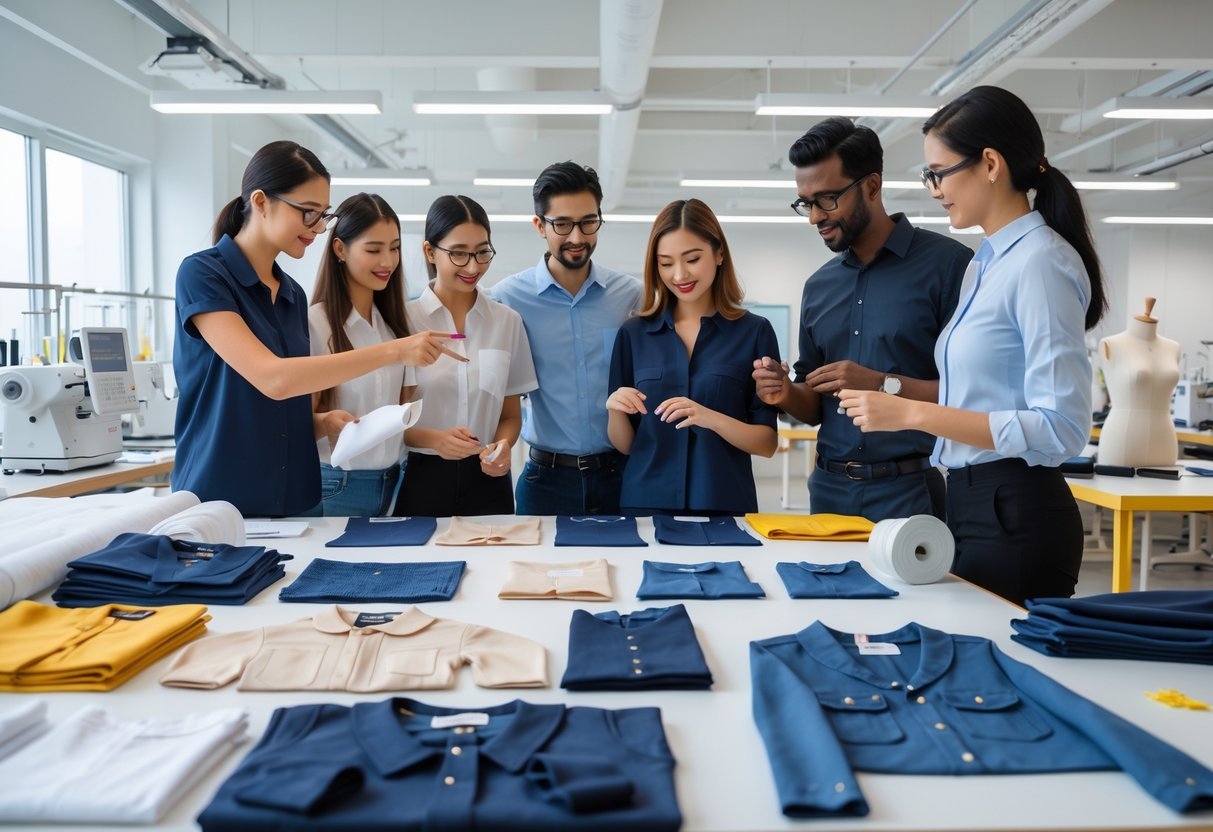
Garment sampling plays a crucial role in the apparel production process. It helps identify potential problems early, makes sure the product meets quality standards, and improves communication among designers, manufacturers, and buyers. These aspects help create a smoother production flow and prevent costly mistakes.
Minimizing Production Risks
Sampling reduces the risk of errors during mass production. By creating samples, manufacturers can detect design flaws, size issues, and fabric problems before producing large quantities. This prevents wasting materials and time on faulty products.
Samples also help identify if any part of the production process needs adjustment, such as stitching or cutting. Early identification means changes can be made without disrupting the overall schedule.
This step lowers the chance of product recalls or returns caused by defects. It saves money and protects the brand’s reputation.
Ensuring Quality and Fit
Quality control is one of the main goals of creating garment samples. Samples allow brands to check if the fabric, color, trims, and final look meet the set standards.
Fit samples test how the garment fits on a model or dummy. This ensures the size, shape, and comfort are as intended.
Brands can approve or request adjustments to improve the final product. Without samples, garments may not match design expectations, leading to customer dissatisfaction.
Facilitating Communication Between Teams
Sampling acts as a clear communication tool between designers, manufacturers, and quality control teams. Physical samples make it easier to discuss details than paper designs or emails.
Everyone can see and touch the sample to understand required changes or confirm approval. This reduces misunderstandings and speeds up decision-making.
Samples also help align expectations between the brand and production factory, especially when working with new partners or overseas suppliers. This coordination improves workflow and product consistency.
Factors Influencing Sample Selection
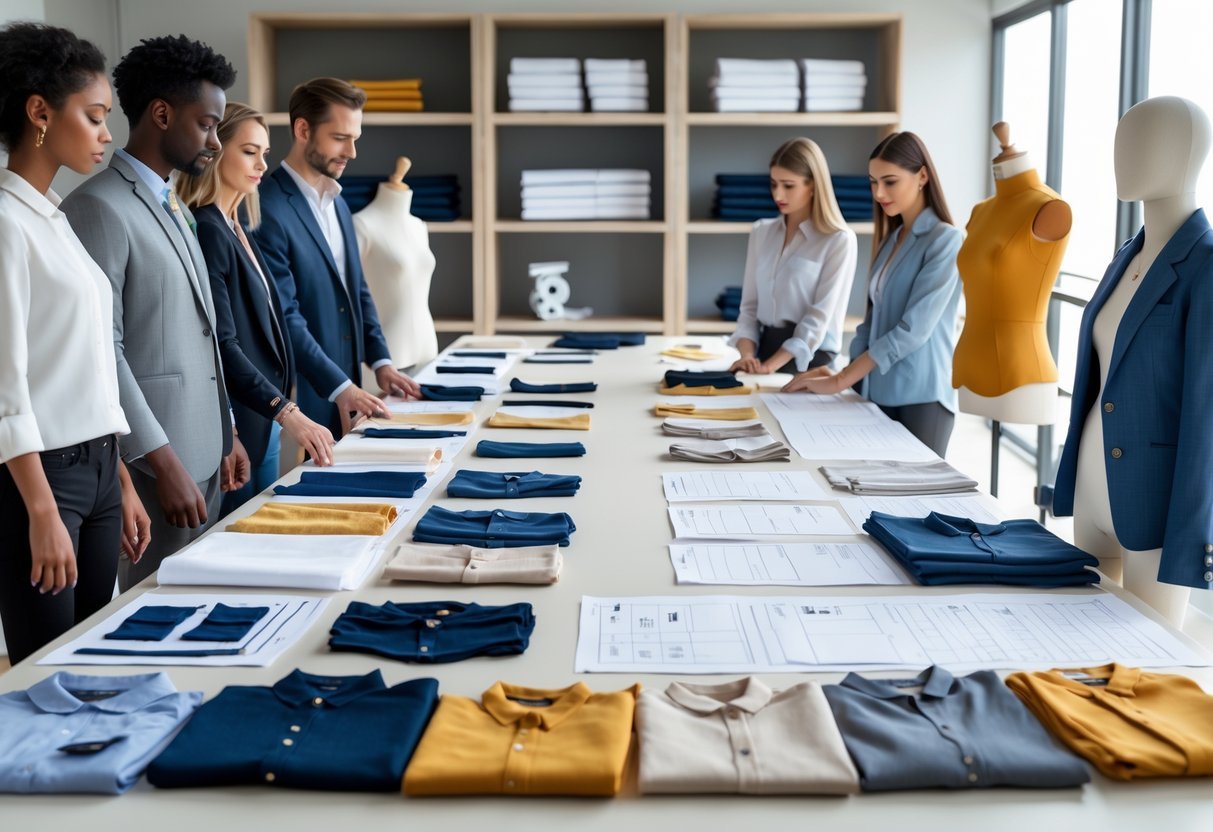
Choosing the right garment samples depends on several factors, including the kind of clothing being made and who it is for. Budget limits and production schedules also play a major role in deciding which samples to create and when. These factors help companies focus on the most useful samples without wasting resources.
Type of Apparel and Target Market
The style and purpose of the apparel affect the sample types needed. For example, luxury or high-fashion brands often require more detailed fit and fabric samples to meet exact standards. Casual or mass-market clothing may rely more on basic prototypes to speed up the process.
The target market influences sample priorities. Kidswear, for example, needs safety testing samples. Sportswear often uses performance test samples to check durability and comfort. Understanding what customers expect from the apparel helps decide which samples will best ensure satisfaction.
Budget and Timeline Considerations
Limited budgets can restrict the number of samples produced. Brands with tight finances often focus on key samples like prototype and pre-production samples to avoid extra costs. This ensures quality without making too many expensive samples.
Time constraints also impact sample choices. Fast fashion brands might reduce the number of sample rounds to meet quick production deadlines. Longer timelines allow more sample testing, which improves product quality. Balancing budget and time is critical in planning efficient sample development.
Frequently Asked Questions
Different garment samples serve specific roles at various stages of the apparel production process. Each type addresses unique needs such as checking fit, size consistency, marketing, or final quality approval.
What are the key differences between fit samples and size set samples in apparel production?
Fit samples focus on checking the garment’s design and how it fits on a standard model or mannequin. They help verify the style, shape, and comfort of the product.
Size set samples, however, include multiple sizes from the smallest to the largest to ensure consistency across the range. They confirm that the pattern grading works well for all sizes offered.
How does a PP sample function in the garment production process?
A PP (Pre-Production) sample acts as the final check before mass manufacturing starts. It reflects the exact design, fabric, trims, and stitching planned for the full production run.
Manufacturers and brands use the PP sample to approve quality, fit, and details. Any mistakes or adjustments found here are fixed before bulk orders begin.
Can you explain the purpose of a salesman sample in the garment industry?
Salesman samples showcase the finished product to potential buyers, retailers, or agents. These samples are made to look like the final product with high attention to detail.
They help in marketing and taking orders before the official production is completed. Salesman samples may also be used in trade shows or showrooms.
What stages of garment production require the use of a development sample?
Development samples are created early in the design phase. They help designers and manufacturers test patterns, materials, and construction methods.
These samples are reviewed and adjusted before moving on to making fit or size set samples. They are crucial for turning design ideas into workable garments.
In what way does a gold seal sample impact the final stages of apparel manufacturing?
The gold seal sample is the final approved sample that sets the standard for mass production. It shows the exact quality, color, and finish expected in the final product.
Factories use it as a reference to maintain consistent quality throughout the production run. It acts as a quality benchmark to compare all produced garments.
Why are different types of samples critical to successful garment production and quality control?
Different samples allow teams to catch issues early in design, sizing, fit, and quality. Sampling reduces errors, avoids costly mistakes, and ensures buyer satisfaction.
Each type gives clear checkpoints. This layered approach supports better communication between designers, manufacturers, and customers, leading to a stronger final product.