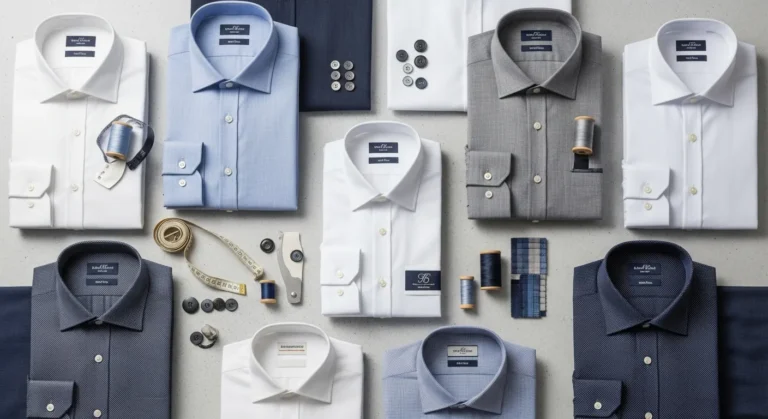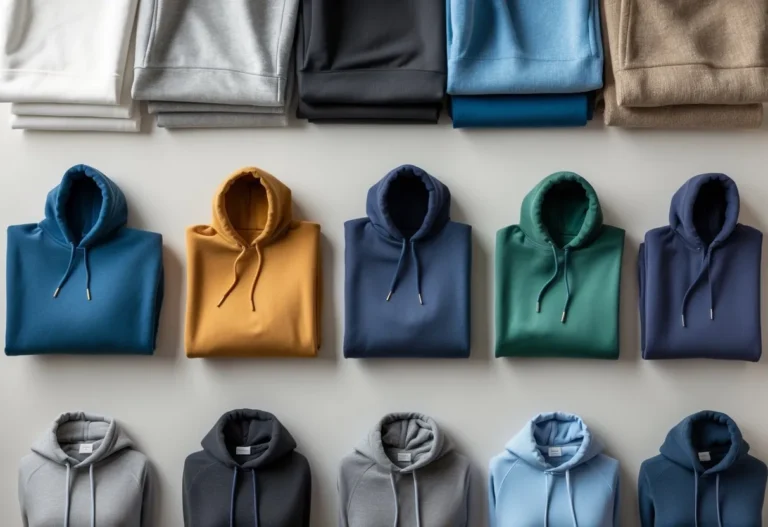
Fabrics play a key role in how people experience clothing and home decor. Choosing the right fabric affects comfort, durability, and even how sustainable an item is. It can be confusing to pick the best fabric without knowing their differences and qualities.
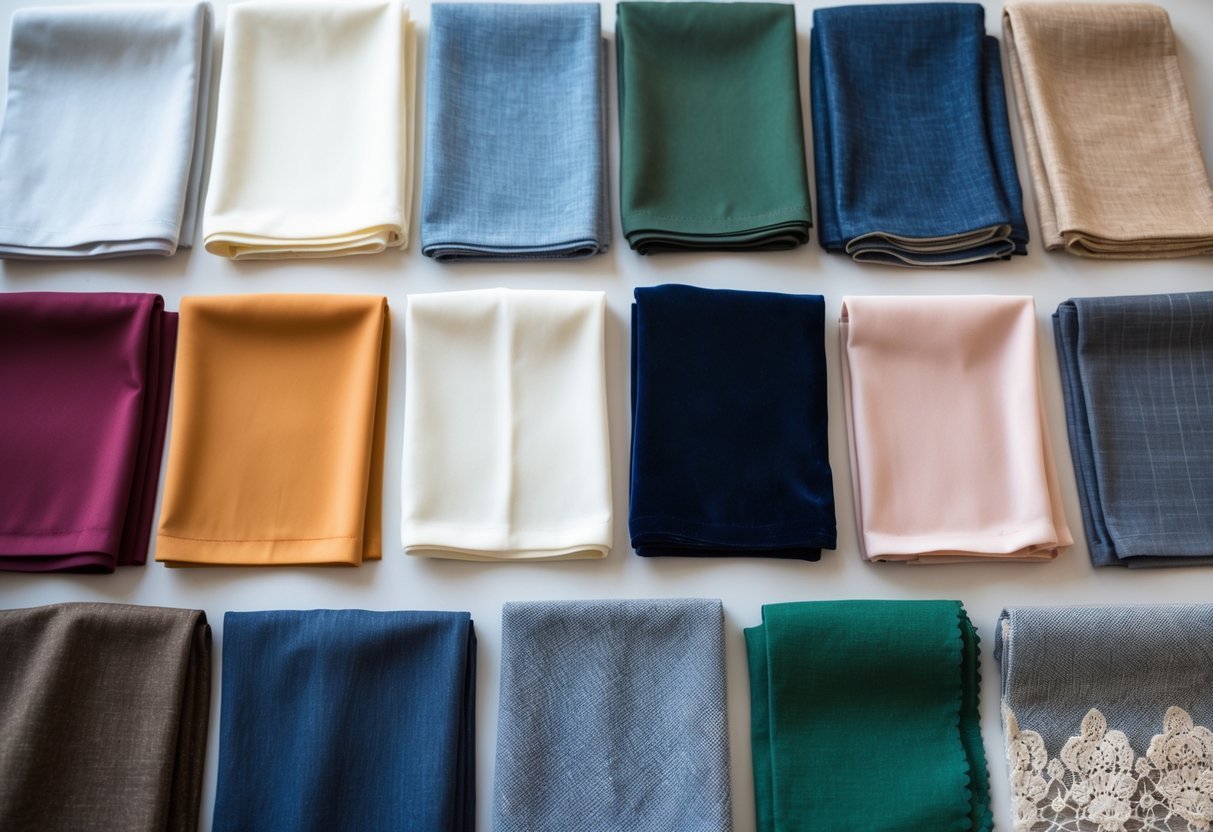
This article explains 12 different types of fabric, helping readers understand what makes each fabric unique. Knowing these basics helps people make better choices for sewing, fashion, or everyday use.
Table of Contents
1) Cotton
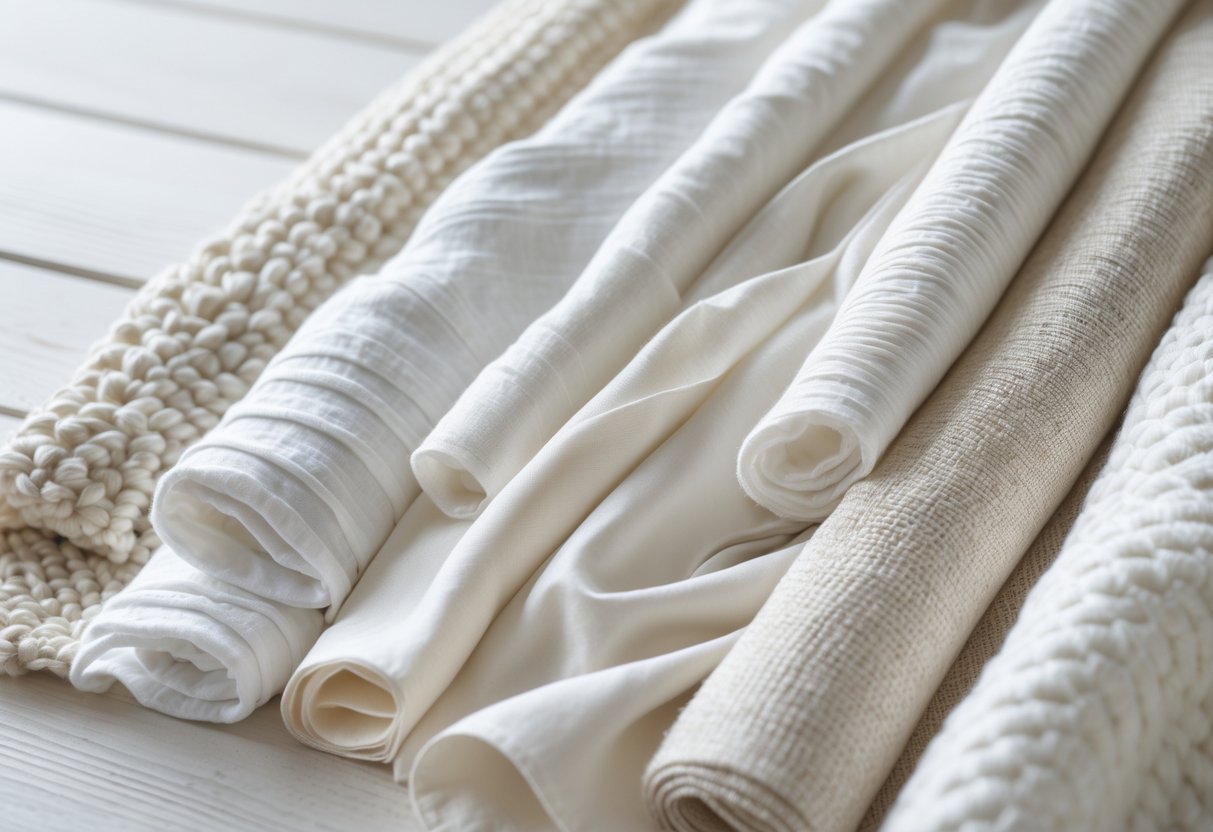
Cotton is one of the most widely used fabrics in the world. It is a natural fiber that comes from the cotton plant’s seed hairs. Known for its softness and breathability, cotton is popular for making clothing, home textiles, and more.
This fabric is comfortable to wear and easy to care for. It allows air to pass through, which helps keep the body cool. Cotton is also gentle on the skin, making it a good choice for people with sensitive skin.
There are many types of cotton fabric, such as quilting cotton, poplin, and lawn. Each type has its own feel and weight. Some are lightweight and airy, while others are heavier and more durable.
Cotton can be blended with other fibers or woven in different ways to change its texture and strength. It is versatile, suitable for both casual wear and more formal clothing. Its long history and ongoing popularity show its lasting value.
2) Linen
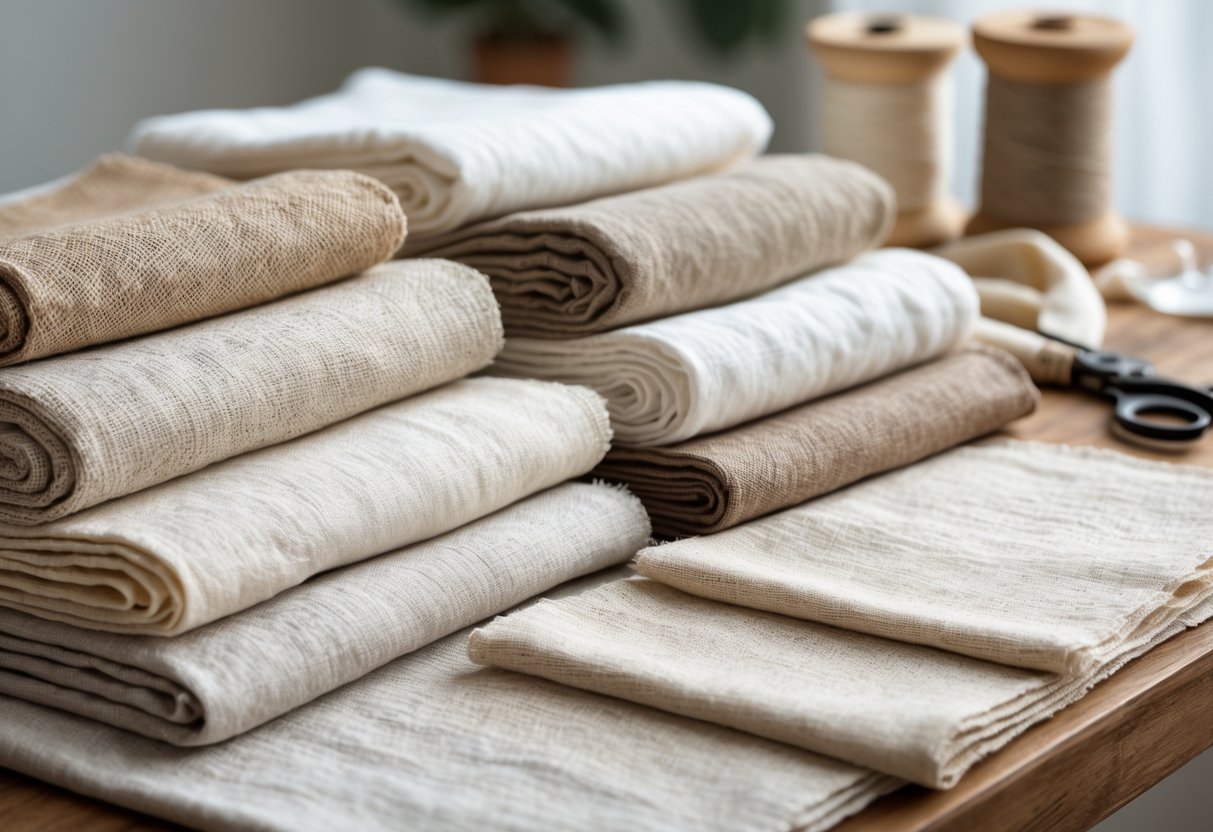
Linen is a natural fabric made from flax fibers. It is known for its strength and durability, often lasting longer than cotton or other common fabrics. Linen also has a unique texture that gives it a slightly crisp feel.
This fabric is valued for its breathability. It allows air to flow easily, making it a popular choice for warm weather clothing. Linen is often used for shirts, pants, and dresses, as well as home textiles like tablecloths and curtains.
Linen comes in many types, depending on how the fibers are woven and blended. Plain weave linen is common and versatile, suitable for both casual and formal use. Some linens are blended with cotton or synthetic fibers to add softness or stretch.
It is also appreciated for being eco-friendly. Flax plants need less water and pesticides than cotton, making linen a more sustainable option. Proper care, such as gentle washing and air drying, helps maintain linen’s quality over time.
3) Silk
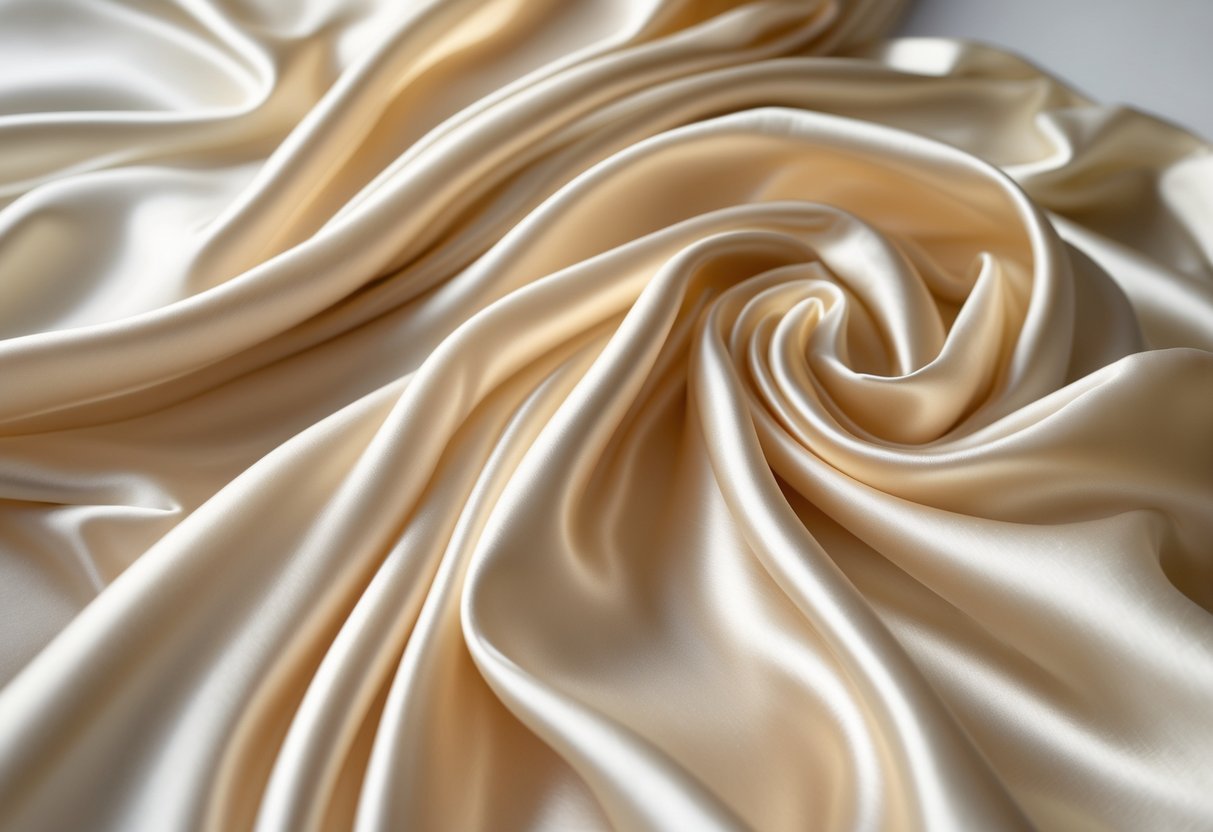
Silk is a natural fiber produced by silkworms. It is known for its smooth texture, natural shine, and strength. These qualities make it a popular choice for clothing, home decor, and luxury items.
There are many types of silk fabric, each with different characteristics. Factors such as the species of silkworm, weaving technique, and texture all affect the final product. Common types include mulberry silk, charmeuse, and chiffon, each suited for specific uses.
Silk is lightweight but durable. Its breathability helps regulate temperature, making it comfortable to wear in both warm and cool weather. Silk also drapes well, which adds elegance to garments.
Care must be taken when washing silk, as it can be delicate. Many silk fabrics require gentle hand washing or dry cleaning to maintain their look and feel. Despite this, its unique qualities make silk a timeless fabric for many projects.
4) Wool
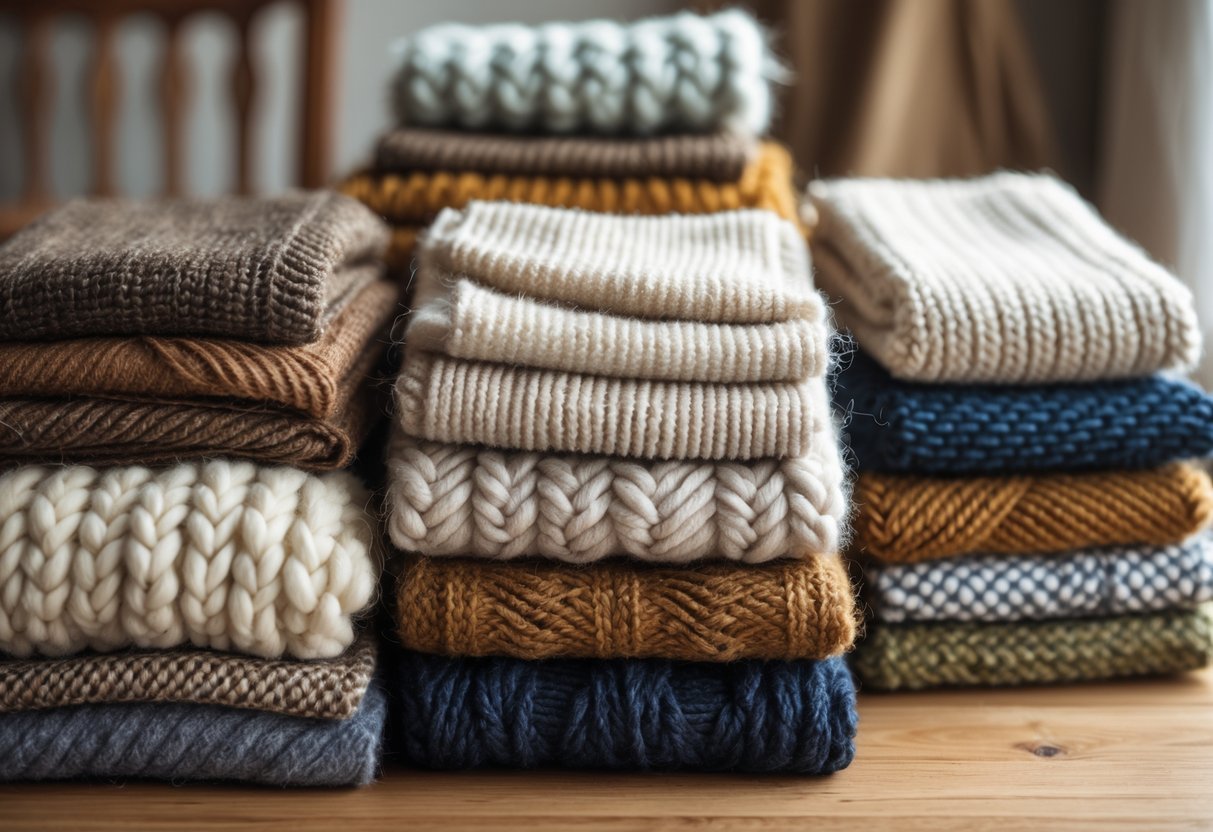
Wool is a natural fiber known for its warmth and durability. It comes from the fleece of sheep and other animals like alpacas and goats. Its unique structure helps trap heat, making wool ideal for cold weather.
There are many types of wool, each with distinct qualities. Merino wool, for example, is soft and fine, perfect for clothing worn close to the skin. Mohair, from the Angora goat, is shinier and used for more luxurious fabrics. Alpaca wool offers a medium weight and smooth texture, suitable for coats and blankets.
Wool fabrics vary in texture and weight, influencing their uses. Some are thick and durable, great for outerwear, while others are lightweight and breathable for layering. Wool is also naturally moisture-wicking and resistant to wrinkles.
Because of its versatility, wool is popular in both fashion and home decor. It requires special care to maintain its qualities but can last a long time. Wool remains a trusted choice for those seeking comfort and performance in fabric.
5) Polyester
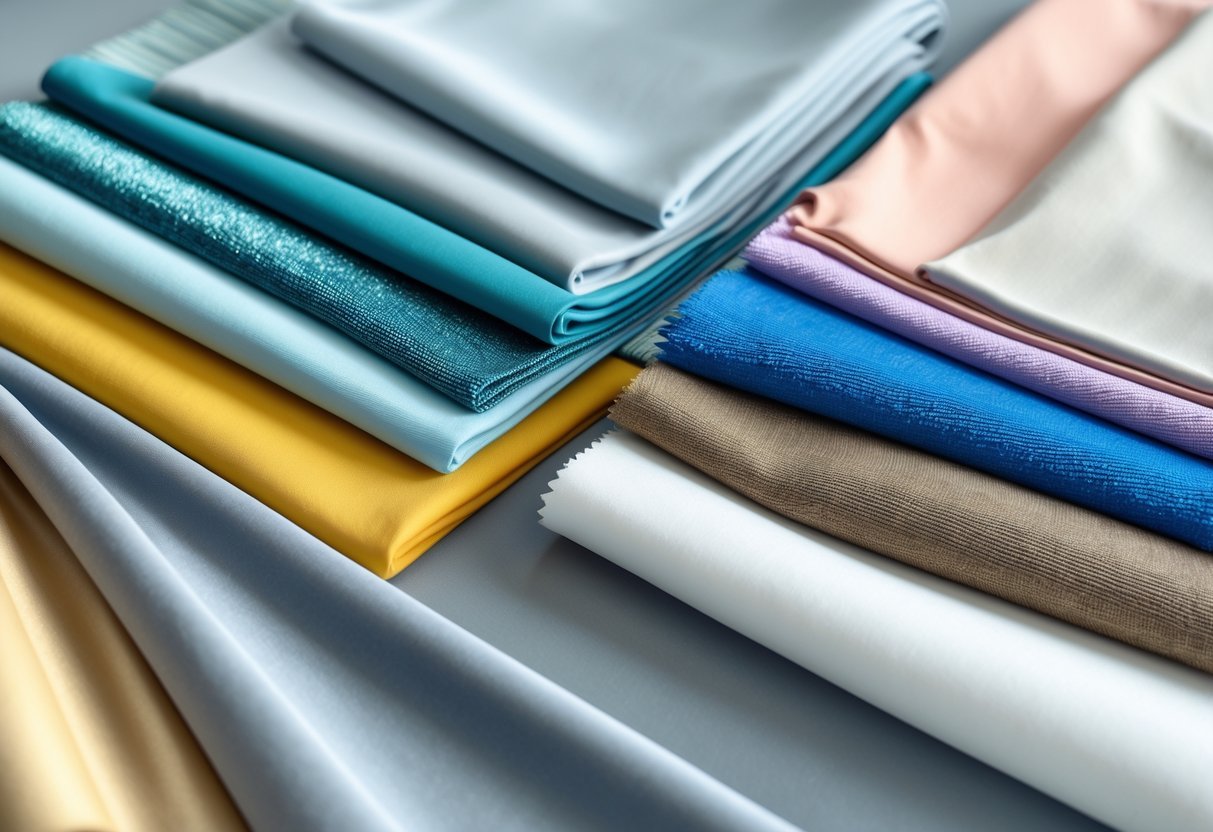
Polyester is a synthetic fabric made from polymers derived from petroleum. It is widely used in clothing, home decor, and industrial applications because of its strength and durability. Polyester fibers resist wrinkles and shrinking, making them low-maintenance.
This fabric is known for being versatile. It can be lightweight or thick, smooth or textured, depending on how it’s made. Polyester dries quickly and is often blended with natural fibers to improve comfort and appearance.
Polyester is also popular because it holds color well and resists stains. It performs well in activewear and casual clothing due to its moisture-wicking properties. However, it is not as breathable as natural fabrics like cotton or linen.
Many types of polyester exist, including microfiber and fleece. It is mostly machine washable and retains its shape over time. Polyester’s reliance on petroleum affects its environmental impact, though recycling efforts are improving its sustainability.
6) Nylon
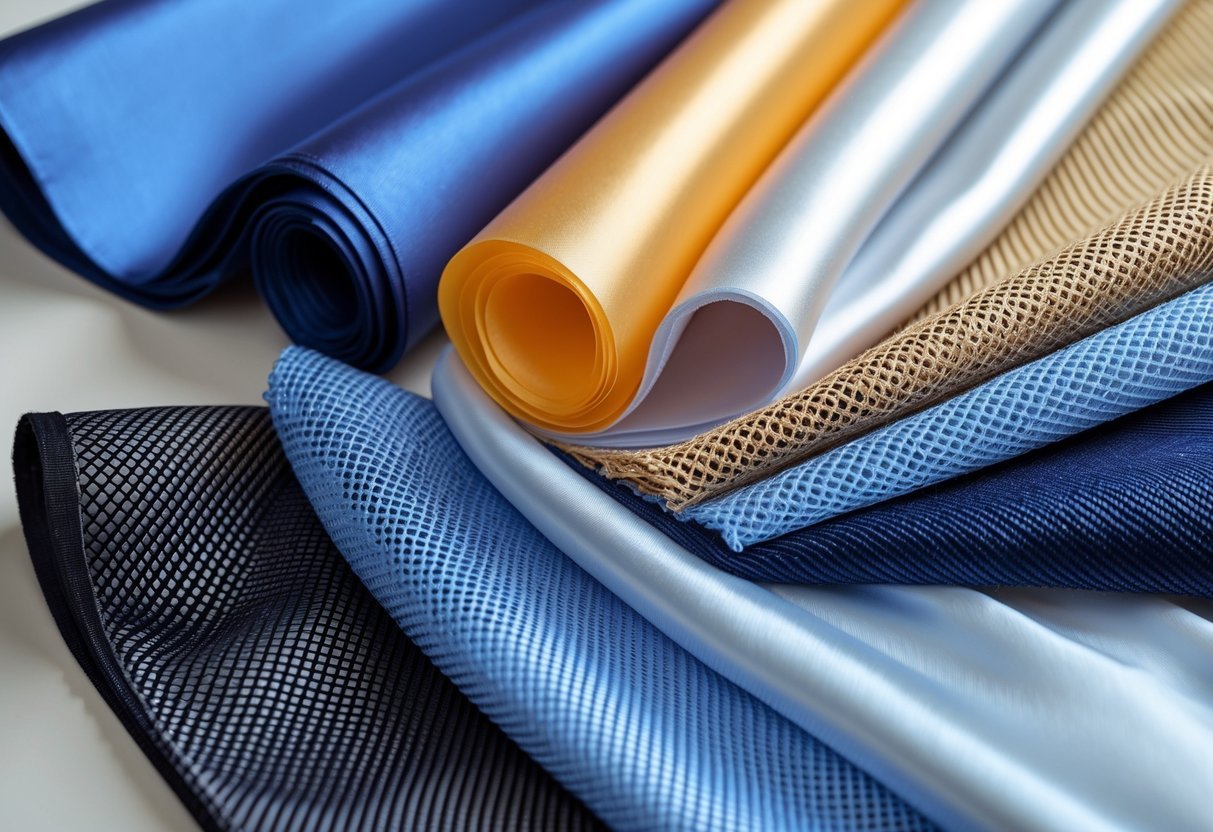
Nylon is a synthetic fabric known for its strength and durability. It was the first fully synthetic fiber made for commercial use. Because of its lightweight and strong nature, nylon is popular in many areas, from clothing to industrial products.
There are several types of nylon, including Nylon 6 and Nylon 6,6, each with different properties. Nylon 6 is flexible and has good elasticity, while Nylon 6,6 tends to be stronger and more heat-resistant. These differences help manufacturers choose the right nylon for various uses.
Nylon is often used in activewear, outdoor gear, and hosiery because it dries quickly and resists wrinkles. It also works well in products that need to be tough but light, like backpacks and tents. The fabric can be sheer or thick, depending on how it is made.
Care for nylon is generally simple. It washes easily and holds up to wear, but it can melt if exposed to high heat. Understanding the types and features of nylon helps people select the best fabric for their projects.
7) Rayon
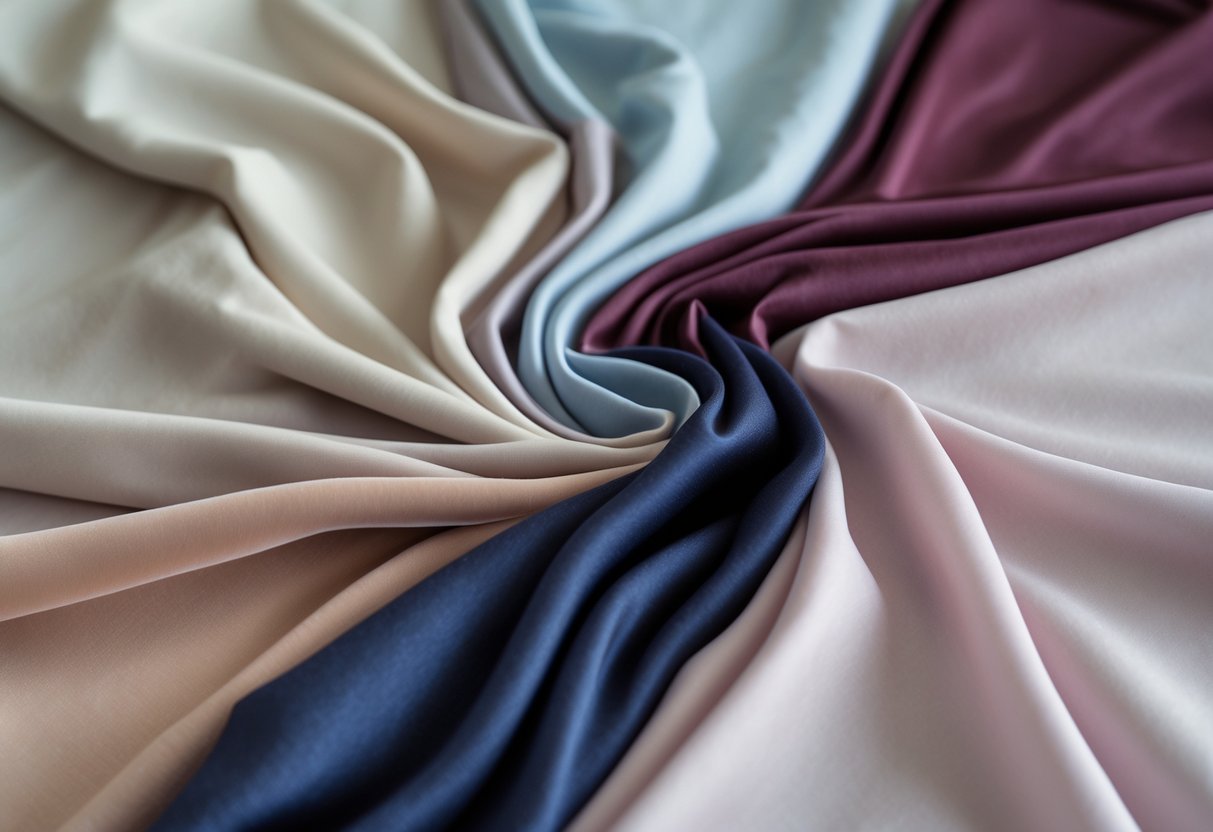
Rayon is a semi-synthetic fabric made from natural materials like wood pulp. It combines the softness and breathability of natural fibers with a smooth, silky feel. This makes rayon a popular choice for clothing and home textiles.
There are several types of rayon, including viscose, modal, and lyocell. Viscose is the most common and widely used, but it tends to shrink or lose shape when wet. Modal and lyocell are newer, more durable options that feel softer and resist wrinkles better.
Rayon drapes well and has a shiny appearance similar to silk. It is lightweight and comfortable to wear in warm weather. However, rayon needs gentle care since it can weaken when wet or exposed to high heat.
While rayon is affordable and versatile, its production involves chemicals, which raises environmental concerns. More eco-friendly versions like lyocell use cleaner processes. Its mix of natural and synthetic features gives rayon a unique balance of style, comfort, and practicality.
8) Acrylic
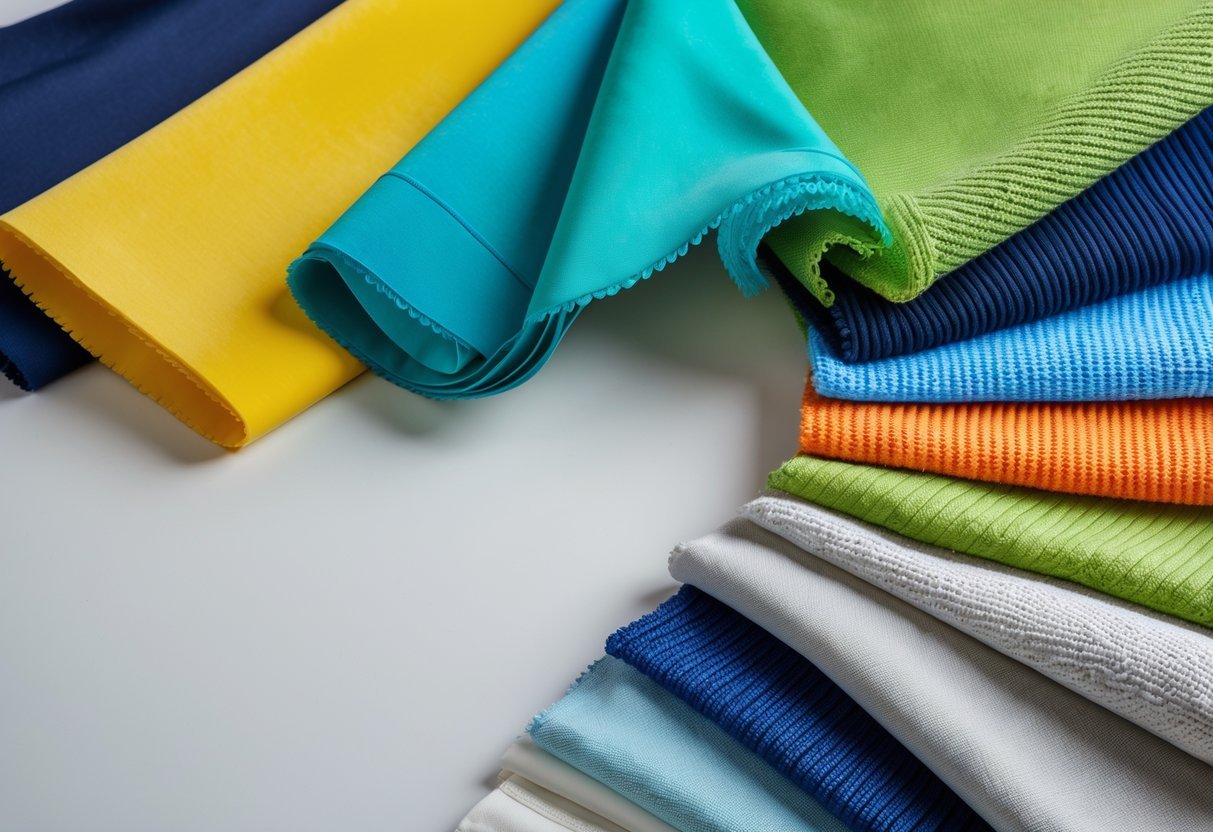
Acrylic fabric is a synthetic material made mainly from acrylonitrile, a chemical derived from petroleum. It was created to mimic natural wool, offering warmth and softness without the heavy weight of real wool.
This fabric is lightweight, soft, and holds vibrant colors well. It is often used in sweaters, blankets, and upholstery because of its durability and resistance to fading. Acrylic also resists shrinking and can handle frequent washing better than some natural fibers.
People like acrylic for its easy care and long-lasting qualities. It stays comfortable in cold weather and keeps its shape over time. However, it does not breathe as well as natural fabrics, which can sometimes make it feel less cool in warm conditions.
Overall, acrylic offers a practical choice for those who want the look and feel of wool without the extra weight or higher cost. It fits well in clothing and home textiles where softness and color retention matter.
9) Denim
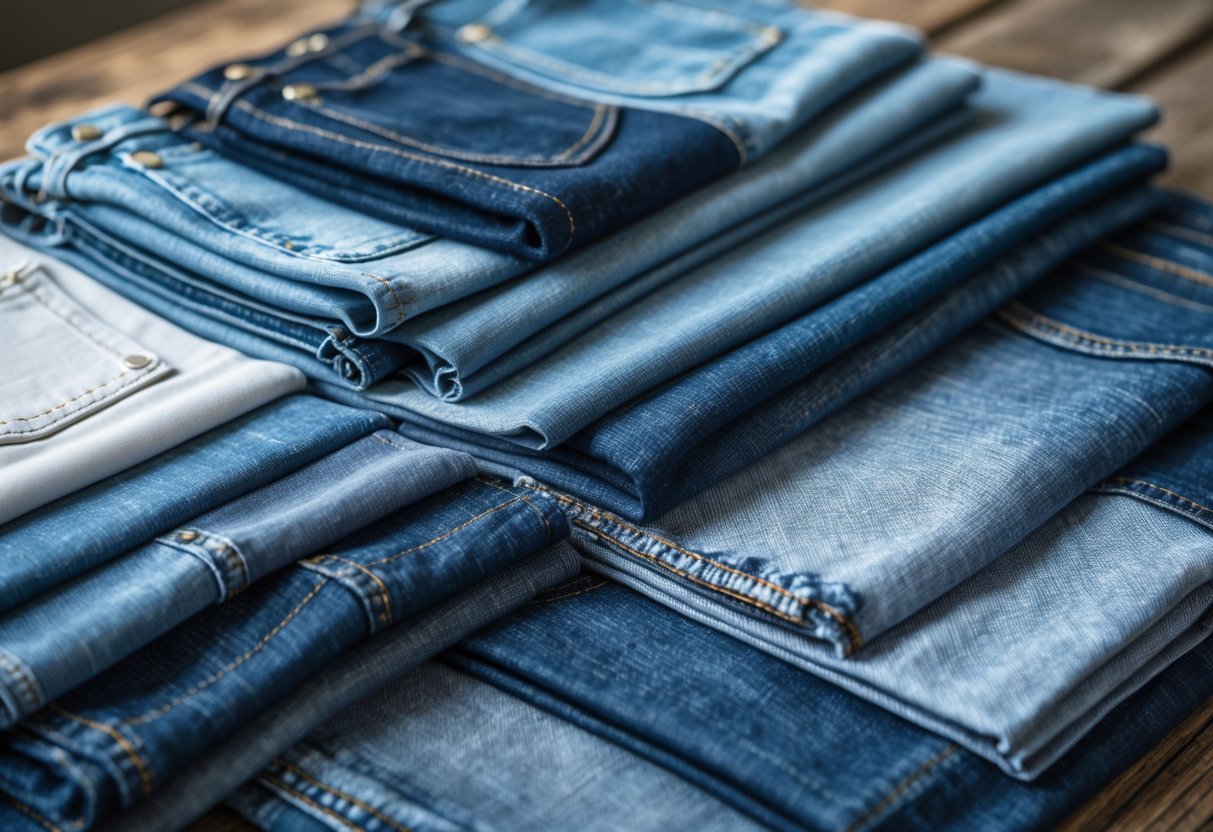
Denim is a strong, durable fabric made mostly from cotton. It has a twill weave, which creates diagonal lines on the surface. This weave makes denim tougher than many other fabrics.
Traditionally, denim features blue warp threads and white weft threads. This mix gives denim its classic look, often seen in jeans and jackets. Over time, denim has evolved into many styles, including stretch denim and raw selvedge denim.
People value denim for its comfort and long-lasting quality. It started as workwear but is now a fashion staple worldwide. Different weights and finishes allow denim to be used in various clothing, from heavy-duty pants to light jackets.
Denim is also easy to care for and becomes more comfortable with use. It suits many seasons and styles, making it a versatile fabric in wardrobes everywhere.
10) Chiffon
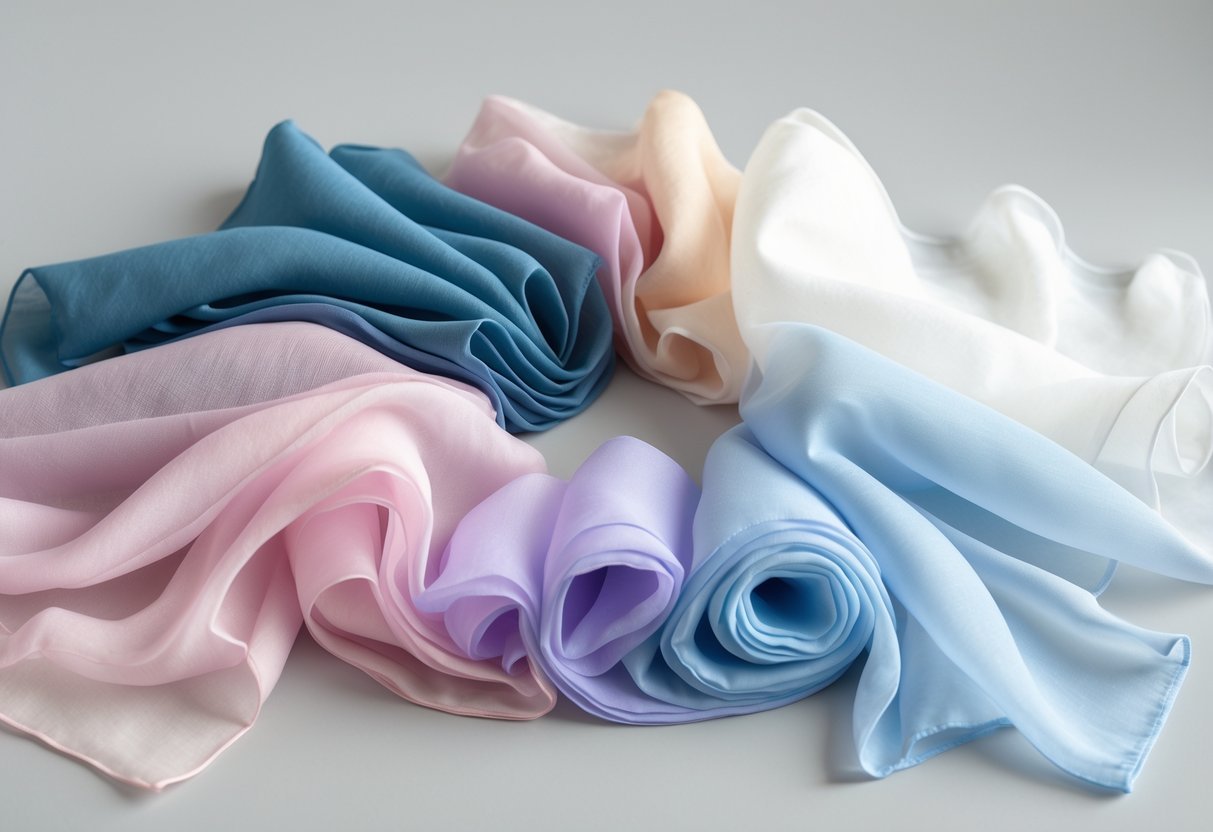
Chiffon is a lightweight, sheer fabric known for its delicate texture and elegant drape. It is often used in dressy clothing, such as evening gowns, scarves, and wedding dresses. The fabric’s airy feel makes it popular for layering and creating graceful silhouettes.
There are several types of chiffon, each made from different fibers. Silk chiffon is the most luxurious and smooth, while polyester chiffon offers a more affordable and durable option. Other variations include nylon, rayon, and cotton chiffons, each with unique properties that affect texture and care.
Chiffon tends to be slightly rough to the touch, especially in silk crepe form, but can also be smooth like silk satin chiffon. It comes in many colors, often soft and pastel shades, though vibrant options exist. The fabric requires gentle handling due to its delicate nature, including careful sewing and cleaning to maintain its shape and appearance.
11) Velvet
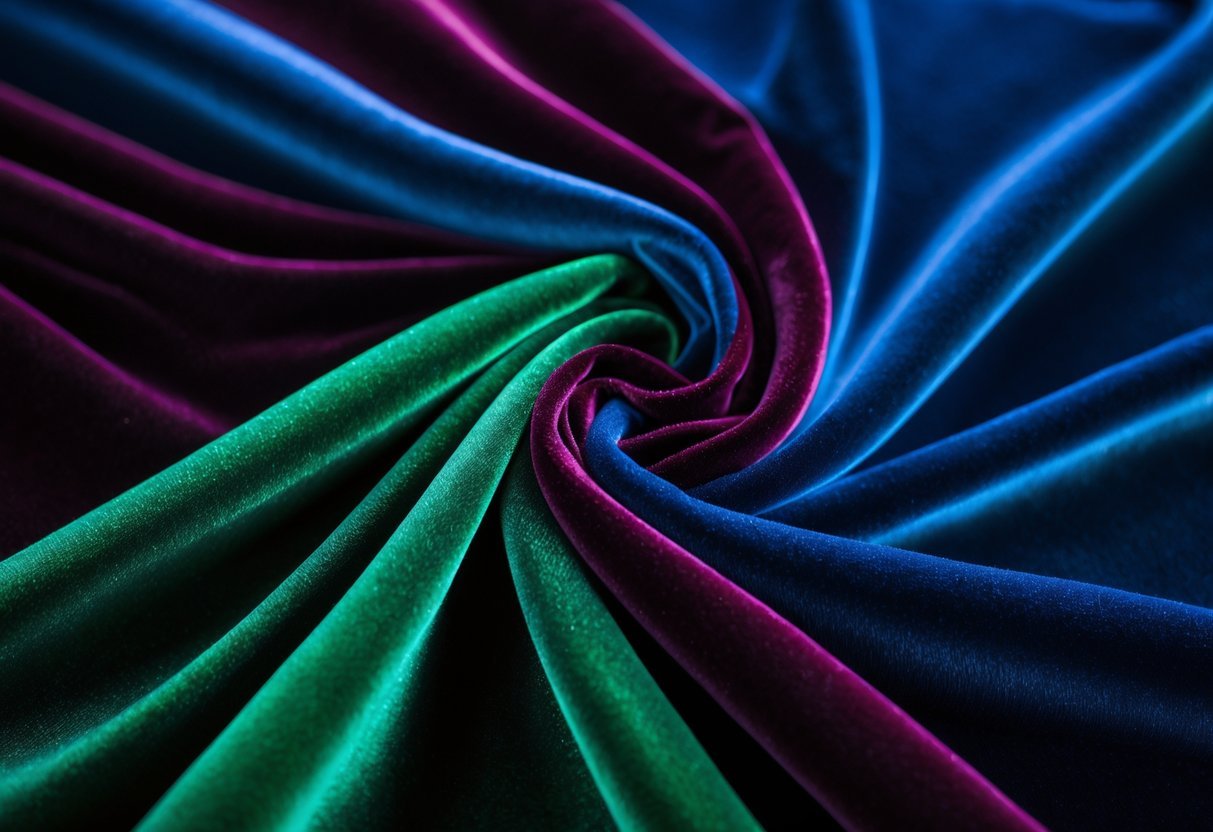
Velvet is a soft fabric known for its smooth, tufted surface. It is made by weaving two layers of fabric together and then cutting them apart to create a dense pile. This process gives velvet its unique texture and slight sheen.
There are many types of velvet, made from different fibers like silk, cotton, and synthetic materials. Each type has its own look and feel. Silk velvet is smooth and shiny, while cotton velvet is more matte and sturdy. Synthetic velvet can mimic natural fibers and is often more affordable.
Velvet is popular in both fashion and home decor. It is used for clothing, upholstery, curtains, and pillows. Its medium weight makes it durable yet comfortable. Proper care is important because velvet can crush or lose its pile if not handled well.
12) Flannel
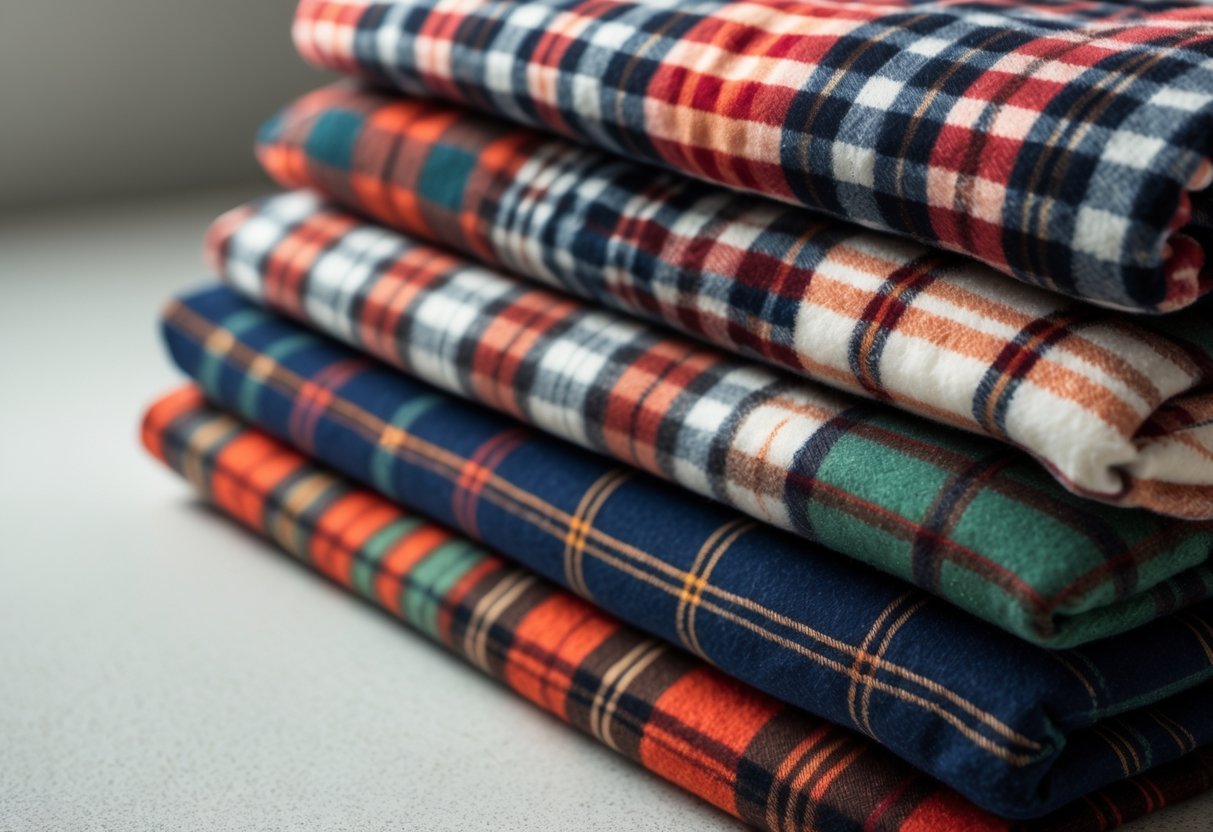
Flannel is a soft, warm fabric known for its brushed surface. It is usually made from cotton, wool, or synthetic fibers. This fabric is popular for making shirts, pajamas, and bedding because of its cozy feel.
The weaving process creates a slightly fuzzy texture, which helps trap heat. Flannel can come in solid colors or patterns like the well-known plaid. The fabric’s warmth and softness make it ideal for cold weather.
Flannel varies in weight and thickness, allowing it to serve different purposes. Lightweight flannel works well for shirts, while heavier types are suited for blankets or outerwear. It is easy to care for but should be washed gently to keep its softness.
Because of its versatility and comfort, flannel remains a favorite fabric in both fashion and home décor. It provides a balance of durability and cozy warmth without being overly heavy.
Understanding Fabric Composition
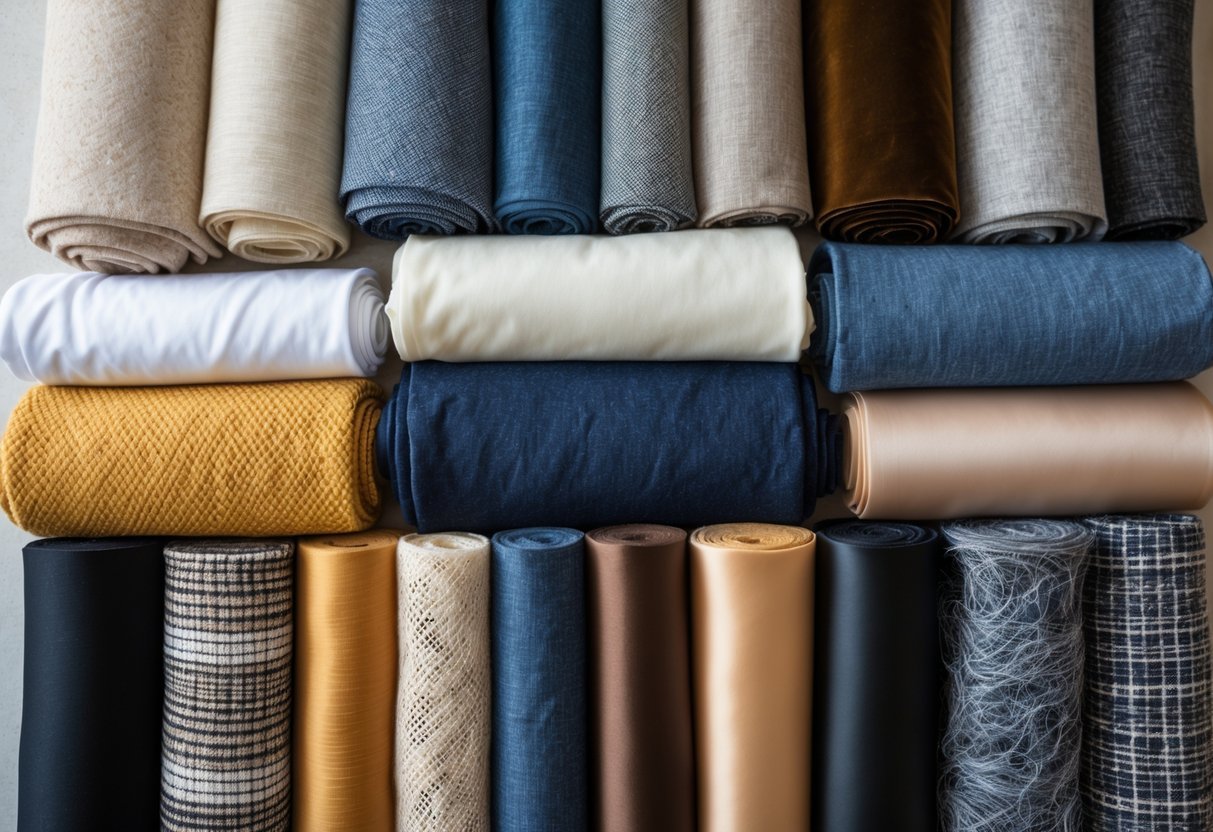
Fabric composition affects how a material looks, feels, and performs. It impacts comfort, durability, care needs, and cost. Knowing the differences between fiber types and blends helps in choosing the right fabric for clothing or home use.
Natural vs. Synthetic Fibers
Natural fibers come from plants or animals. Examples include cotton, linen, wool, and silk. These fibers are often breathable and absorbent, making them comfortable to wear. Cotton is soft and easy to clean, while wool provides warmth. Linen is strong and cool in hot weather. Silk feels smooth and has a natural shine.
Synthetic fibers are man-made, usually from chemicals. Common types are polyester, nylon, acrylic, and spandex. These fibers often resist wrinkles and dry quickly. Polyester is durable and holds its shape well. Nylon is strong and lightweight. Spandex adds stretch to fabrics. Synthetics may not breathe as well and can trap heat, but often cost less and last longer.
Blended Fabrics and Their Advantages
Blended fabrics mix natural and synthetic fibers. This combines the best qualities of each. For example, cotton-polyester blends keep cotton’s softness but gain polyester’s strength and wrinkle resistance.
Blends can improve durability, comfort, and ease of care. Some blends wick moisture better or stretch more. They often require less ironing and dry faster than pure natural fibers.
Common blends include:
- Cotton-Polyester: Softness with wrinkle resistance
- Wool-Nylon: Warmth with added strength
- Cotton-Spandex: Comfort with stretch
Blended fabrics offer versatility for many uses, from casual wear to activewear.
Selecting the Right Fabric for Your Project
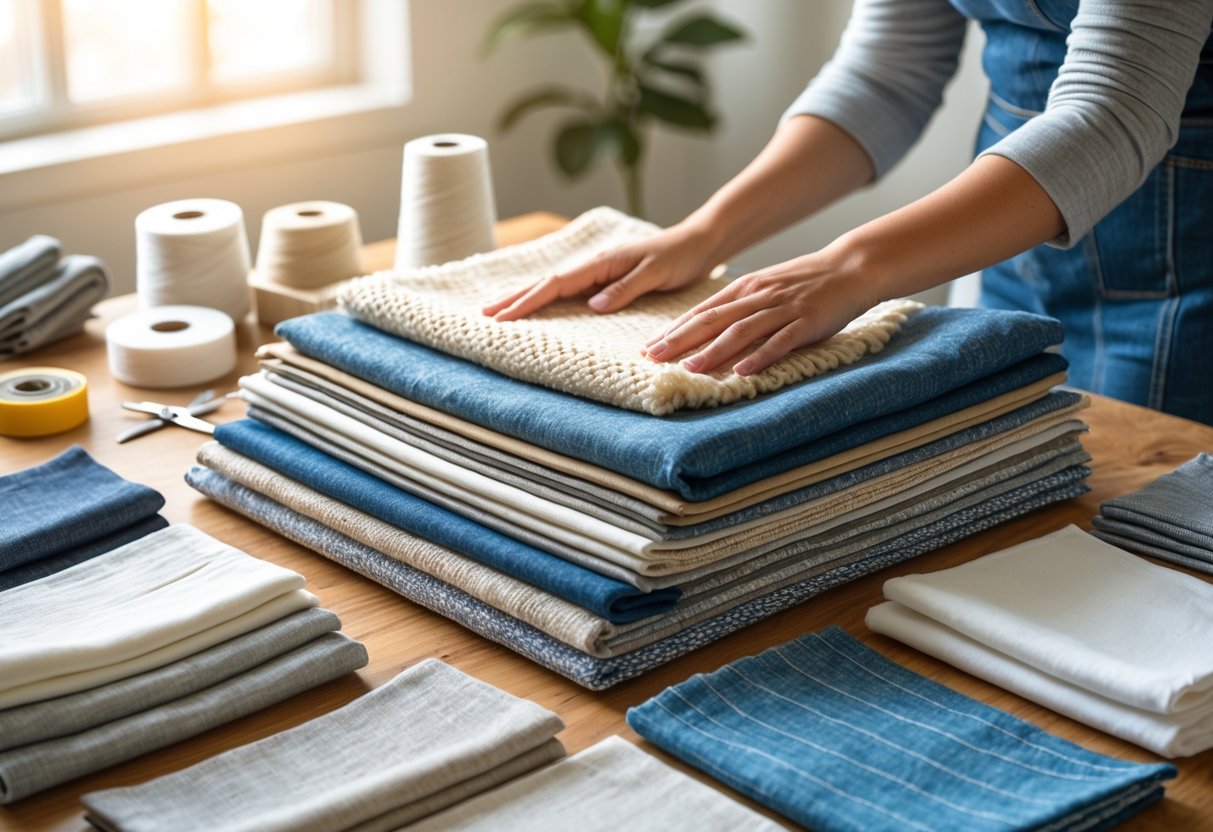
Choosing fabric involves understanding how it will wear over time and how it behaves when worn. Durability and care influence the fabric’s lifespan, while fit and comfort determine how it feels on the body. Both factors play a critical role in matching fabric to the project’s purpose.
Factors to Consider: Durability and Care
Durability depends on the fabric’s fiber type, weave, and finish. Natural fibers like cotton are breathable but may wear out faster with frequent washing. Synthetic fabrics such as polyester resist wrinkles and stains, making them long-lasting for heavy use.
Care instructions matter. Some fabrics require delicate washing or dry cleaning, while others tolerate machine wash and tumble dry well. For example, silk needs gentle care and may lose its luster if mishandled. Choosing a fabric with simple care procedures saves time and keeps the material looking good.
Durability also connects to fabric weight. Heavier fabrics suit outerwear or upholstery. Lightweight fabrics work better for garments that need flow or softness.
Impact on Garment Fit and Comfort
Fit is affected by how the fabric stretches and drapes. Woven fabrics tend to have limited stretch, making them ideal for structured garments. Knits stretch more, offering flexibility that enhances comfort, especially in casual wear.
Comfort relates to breathability, texture, and weight. Natural fabrics like linen and cotton breathe well and feel cool, fitting warm climates. Synthetic fabrics might trap heat but can be moisture-wicking, helpful in activewear.
The fabric’s texture influences comfort too. Smooth fabrics such as satin offer an elegant feel but may not be ideal for daily wear. Rough or stiff fabrics can restrict movement or irritate skin.
In short, understanding fabric properties helps tailor the project to the intended use and wearer’s needs.
Frequently Asked Questions
Understanding fabric types involves knowing which are common in clothing, how to identify them, and their unique qualities. It also means recognizing which fabrics are soft, durable, or designed for special uses, along with sustainable practices in fabric production.
What are the most common types of fabrics used in clothing?
The most common fabrics include cotton, linen, silk, wool, and polyester. Cotton is favored for its breathability. Linen is valued for its lightweight feel. Silk offers a smooth texture and sheen. Wool provides warmth. Polyester is popular for its durability and wrinkle resistance.
How can one identify different fabric types?
Fabric can be identified by touch, appearance, and sometimes smell. Cotton feels soft and breathable. Linen has a rougher texture with visible fibers. Silk is smooth and shiny. Wool is thick and warm. Polyester feels synthetic and often has a slight sheen. Labels and weave patterns also help in identification.
Which types of fabrics are considered the softest?
Silk and cotton are among the softest fabrics. Silk’s smooth surface gives it a luxurious feel. Cotton, especially high-quality varieties like pima, is soft and comfortable against the skin. Wool can also be soft but varies depending on the type.
What are some heavy-duty fabrics suitable for durable clothing?
Heavy-duty fabrics include denim and canvas, often made from cotton or blends. Wool can be durable, especially thicker types. Polyester is also strong and resists wear. These fabrics are commonly used in workwear and outdoor clothing.
Can you list the textile varieties known for their technical properties?
Polyester and nylon are known for moisture resistance and durability. Wool offers natural insulation and breathability. Linen provides cooling properties in hot weather. These fabrics balance performance with comfort, often chosen for activewear or specialized uses.
What are sustainable practices associated with textile usage and production?
Sustainable practices include using organic cotton, recycling fabrics, and opting for natural fibers like linen and wool. Certifications such as Oeko-Tex indicate safer production methods. Reducing chemical use and water consumption during manufacturing also supports sustainability.