Starting a tote bag business in 2025 is a smart way to meet growing demand for eco-friendly and reusable products. The key to success lies in choosing quality materials, understanding your audience, and creating unique designs that stand out. Tote bags are popular across many groups, including students, professionals, and travelers, which makes this market very versatile.

Table of Contents
This business has low startup costs and can easily be launched online using print-on-demand or dropshipping methods. Developing a strong brand identity and effective marketing strategies helps build a loyal customer base. By focusing on these elements, anyone can create a profitable tote bag venture that grows with the market trends.
Key Takeways
- Success depends on finding the right target audience and niche.
- Quality materials and unique designs enhance brand value.
- Effective online presence and marketing are essential for growth.
Understanding the Tote Bag Business Landscape

The tote bag market is growing steadily due to changing consumer habits and rising awareness of environmental issues. Businesses in this field must focus on current demand, eco-friendly trends, and competitive forces to succeed.
Market Trends and Demand
The tote bag market was valued at about $2.8 billion in 2023 and is expected to reach $4.0 billion by 2032. This growth is driven by consumers looking for alternatives to plastic bags. Tote bags appeal to a wide audience, including students, professionals, parents, and travelers.
Reusable bags are popular year-round because they combine style and utility. Business owners benefit from trends like print-on-demand and dropshipping, which reduce upfront investment. Online sales through platforms like Shopify and Etsy make it easier to reach customers quickly.
Sustainability and Eco-Friendly Opportunities
Sustainability is a key driver in the tote bag business. Many buyers choose fabric bags over plastic due to environmental concerns. Using eco-friendly materials like organic cotton or recycled fabrics can strengthen a brand’s appeal.
Businesses that emphasize sustainability build trust with consumers who value responsible shopping. This approach also allows companies to position themselves as leaders in the green market. Customizing totes with eco-friendly inks or packaging adds to the overall value.
Analyzing Competitors
Understanding competitors is essential to find unique market positions. Many startups use print-on-demand to offer customized designs without holding inventory. Established brands may focus on premium materials and strong branding.
Success requires noting what others offer and identifying gaps. For example, focusing on niche audiences or exclusive designs can provide differentiation. Monitoring pricing, quality, and marketing strategies helps businesses stay relevant in a crowded market.
Identifying Your Niche and Target Audience

Knowing exactly who your products are for and what makes them special is key to selling tote bags. Defining a clear focus helps cut through competition and appeals directly to people who want what you offer. Understanding your market and customer helps make better design, pricing, and marketing choices.
Choosing the Right Tote Bag Niche
Selecting a niche means focusing on a specific style or customer group. This limits competition and builds a stronger brand. Examples include eco-friendly tote bags made from organic cotton, trendy bags with pop culture designs, or personalized bags for pet lovers.
The niche should match the entrepreneur’s interests and market demand. For example, targeting eco-conscious consumers can open doors to customers who value sustainability. Niche choices affect material selection, design, and messaging. Holding a clear niche can justify higher prices and foster loyal buyers.
Defining Your Target Audience
The target audience is the group of people most likely to buy the tote bags. Knowing their age, gender, hobbies, and values helps tailor products and marketing efforts. For instance, a tote bag brand for students might focus on functional, stylish bags with vibrant designs.
Businesses should identify customer needs and shopping habits. They might focus on millennials who care about the environment or parents who want durable and cute bags. This focus guides all product features, from fabric choice to advertising style.
Conducting Effective Market Research
Market research involves gathering data to make informed business decisions. This includes studying competitors, customer preferences, and current trends in tote bag sales. Research can be done through surveys, social media listening, and examining online stores.
Understanding what products sell well and why helps avoid risks. Tracking how prices, materials, and designs perform in the market guides pricing and inventory decisions. Market research also helps spot gaps in the market, allowing the business to offer something unique to potential customers.
Building a Unique Brand Identity

A strong brand identity helps customers recognize a tote bag business and understand what it stands for. It shapes the business’s look, voice, and message. This identity must be clear, memorable, and true to the business’s values.
Crafting Your Brand Name
Choosing the right brand name is critical. It should be simple, easy to remember, and reflect the style or purpose of the tote bags. Avoid names that are too long or hard to spell.
The name can hint at the materials used, the design style, or a core value like sustainability. Checking for the availability of domain names and social media handles is essential to ensure consistency across platforms.
Entrepreneurs should also consider how the name sounds when spoken aloud to avoid confusion. A good brand name will connect emotionally with the target market and help the business stand out.
Developing a Distinctive Brand Identity
The brand identity combines visual elements like logo, color scheme, and packaging with the business’s tone and values. This identity should match the preferences of the target audience.
For a tote bag business, using eco-friendly colors or natural textures can reinforce ideas of sustainability. Consistent fonts and design style across all materials build recognition.
It is also important to develop a clear brand voice. Whether it is friendly, professional, or artistic, the tone should stay the same in marketing, customer service, and product descriptions.
Positioning Your Unique Selling Proposition
The unique selling proposition (USP) explains what makes the tote bags different from competitors. This can be the use of rare materials, special designs, or personalized services.
Clearly defining the USP helps attract customers who value those specific traits. It should answer why customers should buy from the business instead of others.
Entrepreneurs need to communicate their USP clearly in all marketing efforts. This focus strengthens the brand’s position and builds customer loyalty over time.
Designing and Developing Your Tote Bags

Good tote bag design balances style, usability, and durability. A clear visual identity paired with smart material choices helps create products that customers want to use again and again.
Creating Custom Tote Bag Designs
Successful tote bag design starts with a clear concept reflecting the brand’s message. Designers should focus on simple, strong graphics or text that remain visible from a distance. Using bold fonts and high-contrast colors ensures readability.
Designs must fit the printable area without crowding seams or edges. Testing design mockups helps avoid surprises in production.
Common tote shapes like canvas totes or structured bags demand different design placements. For example, a large logo works well on an everyday tote, while minimal branding suits luxury leather bags. A balanced layout and style consistency build brand recognition.
Selecting Sustainable Materials and Fabrics
Choosing the right fabric is key for both quality and environmental impact. Popular sustainable options include organic cotton canvas and recycled polyester (RPET). Organic cotton offers durability and a natural feel but may cost more.
RPET, made from recycled plastic bottles, provides a water-resistant and eco-friendly alternative, suitable for outdoor styles.
Other materials like jute offer a rustic look and biodegradability but limit print detail. For versatility, blends such as canvas-polyester combine strength with lighter weight.
Material choice should align with the product’s purpose and target audience while supporting sustainable business values.
Setting Up Production and Quality Control

Setting up production effectively is key to delivering high-quality tote bags on time. Clear choices about how and where to produce the bags impact cost, control, and scalability. Quality control ensures products meet standards and satisfy customers.
Choosing Between In-House, Outsourcing, or Print on Demand
Starting with in-house production means handling all manufacturing stages internally. It offers full control over materials, design, and quality. However, it requires significant investment in equipment, staff, and space. This works best for those with experience and capital.
Outsourcing lets businesses hire third-party manufacturers to produce totes. This reduces upfront costs and complexity but requires careful partner selection. Clear contracts and sample approvals are vital to maintain quality and deadlines.
Print on Demand (POD) is the easiest option for startups. It removes the need for inventory and upfront costs. Designs are printed only when a customer orders. POD providers handle production, packaging, and shipping. Though POD limits control, it scales easily and lowers financial risk.
| Option | Investment | Control | Scalability | Risk |
|---|---|---|---|---|
| In-House | High | Full | Moderate | High |
| Outsourcing | Medium | Medium | High | Medium |
| Print on Demand | Low | Limited | High | Low |
Managing Production and Quality Assurance
Whichever production method is chosen, managing quality must be a priority. Consistent quality builds brand trust and reduces returns.
It starts with clear product specifications covering fabric type, stitching, dimensions, and print quality. Suppliers or manufacturing teams need detailed guidelines and deadlines.
Regular inspections during production catch issues early. Sampling products before full runs prevents large batch errors. Using checklists helps maintain consistency.
For POD, ordering samples from providers before listing products online is essential. This verifies print colors, material feel, and durability.
Customer feedback should be monitored closely to spot recurring quality concerns. Efficient communication channels with production partners enable quick corrections.
Strong quality control protects reputation and ensures customers receive tote bags that match their expectations.
Launching Your Tote Bag Business Online
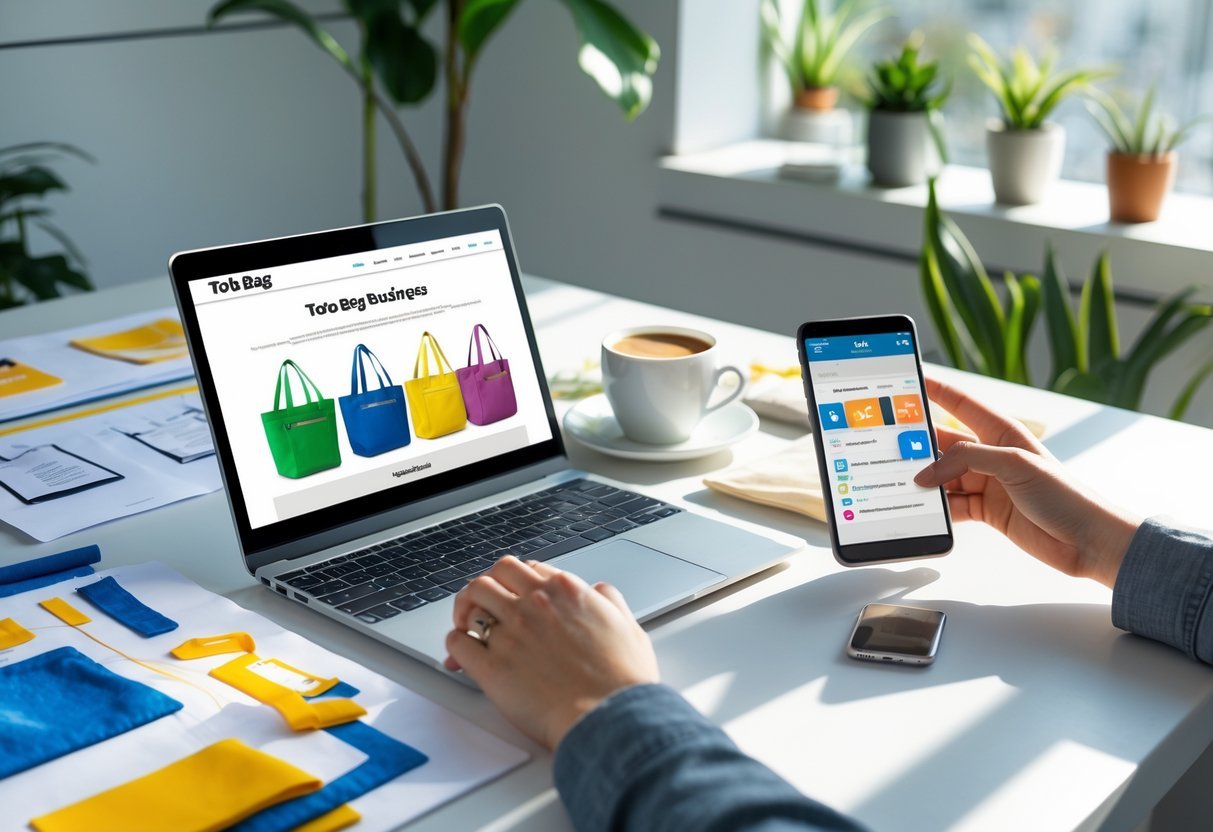
Starting an online tote bag business requires careful choices about where to sell, how to present products, and setting the right prices. Selecting the best ecommerce platforms and sales channels ensures wide reach and control. Clear product listings help customers understand what they’re buying. Pricing should balance profit and affordability.
Selecting Ecommerce Platforms and Sales Channels
Choosing the right platform depends on the business size, budget, and desired control over branding. Popular ecommerce platforms include:
- Shopify: Great for a fully customized online store. It offers many apps and strong marketing tools but comes with monthly fees.
- Etsy: Best for creative, niche products with a ready customer base. However, branding customization is limited, and it charges listing fees and commissions.
- Wix and Squarespace: These provide easy-to-use templates with built-in blogging and SEO features. They are ideal for sellers who want a simple setup with moderate fees.
- WooCommerce: A plugin for WordPress, offering full control and low costs. It requires more technical skill or developer help.
Marketplaces like Amazon and eBay expose products to millions but limit brand control and charge fees. Sellers should pick channels aligned with their audience and the size of their business.
Creating Effective Product Listings and Descriptions
Product listings must be clear, informative, and visually appealing. High-quality images showing different angles of the tote bags are essential.
Descriptions should include:
- Materials used (organic, recycled fibers, etc.)
- Size and dimensions
- Unique design features
- Care instructions
Using bullet points makes descriptions easy to scan. It’s important to highlight what sets the tote bags apart, like eco-friendliness or custom artwork. Keywords related to tote bags, such as “eco-friendly tote” or “custom printed bags,” help improve search visibility on ecommerce sites.
Setting Pricing Strategies
Pricing requires balancing profit with what customers are willing to pay. Sellers should research competitors with similar products to find a competitive range.
Key considerations:
- Calculate all costs (materials, shipping, platform fees)
- Include a reasonable profit margin
- Offer tiered pricing or discounts for bulk purchases to attract more buyers
- Consider introductory or promotional pricing when launching new designs
Affordable pricing helps reach a wider audience, but prices should not undervalue the product quality. Regular price reviews help adjust strategies based on customer feedback and market changes.
Marketing and Growing Your Tote Bag Business

Building a strong market presence takes targeted efforts in promoting products and engaging customers. Using focused strategies for online presence, customer retention, and search visibility will help the business gain traction and steady growth.
Social Media and Content Marketing
Social media platforms like Instagram, Facebook, and TikTok are key for reaching potential buyers. Consistent posting of high-quality images and videos showcasing tote bag designs can attract followers and boost brand recognition.
Content marketing also plays an important role. Writing blog posts about eco-friendly living, styling tips with totes, or behind-the-scenes production stories helps build authority and draws organic traffic.
Engagement matters. Responding to comments and messages quickly encourages community building. Collaborating with influencers or running contests increases visibility.
Using a clear brand voice and visually consistent content strengthens customer connection on social media.
Implementing Email Marketing and Loyalty Programs
Email marketing is effective for turning visitors into repeat customers. Sending newsletters with new designs, special deals, and exclusive offers keeps the audience informed and interested.
Building an email list early is essential. Offer discounts or freebies in exchange for sign-ups to grow the subscriber base.
A loyalty program rewards customers for repeat purchases or referrals. Points systems, early access to collections, or exclusive discounts encourage ongoing support.
These programs increase customer lifetime value and promote word-of-mouth marketing.
Regular email campaigns combined with loyalty incentives create a reliable sales channel beyond social media.
Optimizing for SEO and Search Engine Marketing
Search engine optimization (SEO) improves the store’s visibility on Google and other search engines. Using keywords related to tote bags, eco-friendly products, and custom designs in product descriptions and blog content helps attract relevant traffic.
Proper site structure and mobile-friendly design improve ranking. Clear product titles and alt text on images support search engines in understanding the offerings.
Search engine marketing (SEM), such as Google Ads, allows targeted promotion of specific tote bags to shoppers actively searching for them.
Combining SEO with paid search campaigns directs quality visitors to the store, increasing chances of conversion while managing costs.
Delivering Excellent Customer Service
Customer service directly affects brand reputation and repeat sales. Providing fast, clear communication builds trust before and after purchase.
Easy returns, clear shipping timelines, and proactive problem-solving improve customer satisfaction.
Using chatbots or responsive email support helps handle inquiries efficiently.
Personal touches like thank-you notes or follow-up emails create positive experiences.
Strong customer service turns buyers into advocates, encouraging positive reviews and referrals that fuel business growth.
Frequently Asked Questions
Starting a tote bag business involves careful planning, understanding market trends, and managing operations well. Key points include setting up the business legally, creating a clear product and sales plan, and keeping up with customer preferences.
What are the initial steps to starting a home-based tote bag business?
The first step is to register the business and choose a legal structure like an LLC or sole proprietorship. Next, obtain necessary permits and an Employer Identification Number (EIN) if hiring staff. Setting up a workspace with the right tools and materials is critical to begin production.
What should be included in a tote bag business plan?
A business plan should include an executive summary explaining the business and unique selling points. It needs market analysis to identify customers and competitors. The plan should also describe product details, sales strategies, daily operations, and financial forecasts.
How can one determine if the tote bag market is still profitable in 2025?
To assess profitability, analyze current market size and growth trends using industry reports. Study competitors’ pricing and sales tactics. Track customer preferences, especially for sustainable and fashionable options. This research helps identify demand and potential market gaps.
What are some creative tote bag business name ideas?
Names can reflect the style, purpose, or values of the business. Options include “EcoTote Creations,” “Urban Carry Co.,” “FreshCanvas Bags,” “ToteTrend Studio,” or “GreenLoop Packs.” A strong name should be memorable and align with the brand identity.
What are the current fashion trends affecting tote bag demand?
Sustainability remains a major trend, with buyers seeking eco-friendly materials like organic cotton and recycled fabrics. Minimalist designs and versatile bags that suit work and casual use are popular. Bright patterns and customizable features also attract buyers.
How can a tote bag business effectively address its weaknesses?
The business should regularly review customer feedback to identify product or service issues. Improving supplier reliability and product quality can build trust. Diversifying marketing channels and offering promotions can help overcome slow sales or low brand awareness.