Many people enjoy wearing casual clothing like hoodies and sweatshirts, but they often confuse the two. Both are popular for comfort and style, and each plays a unique role in a wardrobe. Understanding how they differ can help someone choose the right piece for their needs.

The key difference between a hoodie and a sweatshirt is that a hoodie has a hood attached, while a sweatshirt does not. This simple design change affects how each is worn, styled, and used. Knowing this basic fact sets the foundation for exploring their features and benefits.
Table of Contents
1) Definition of a Hoodie
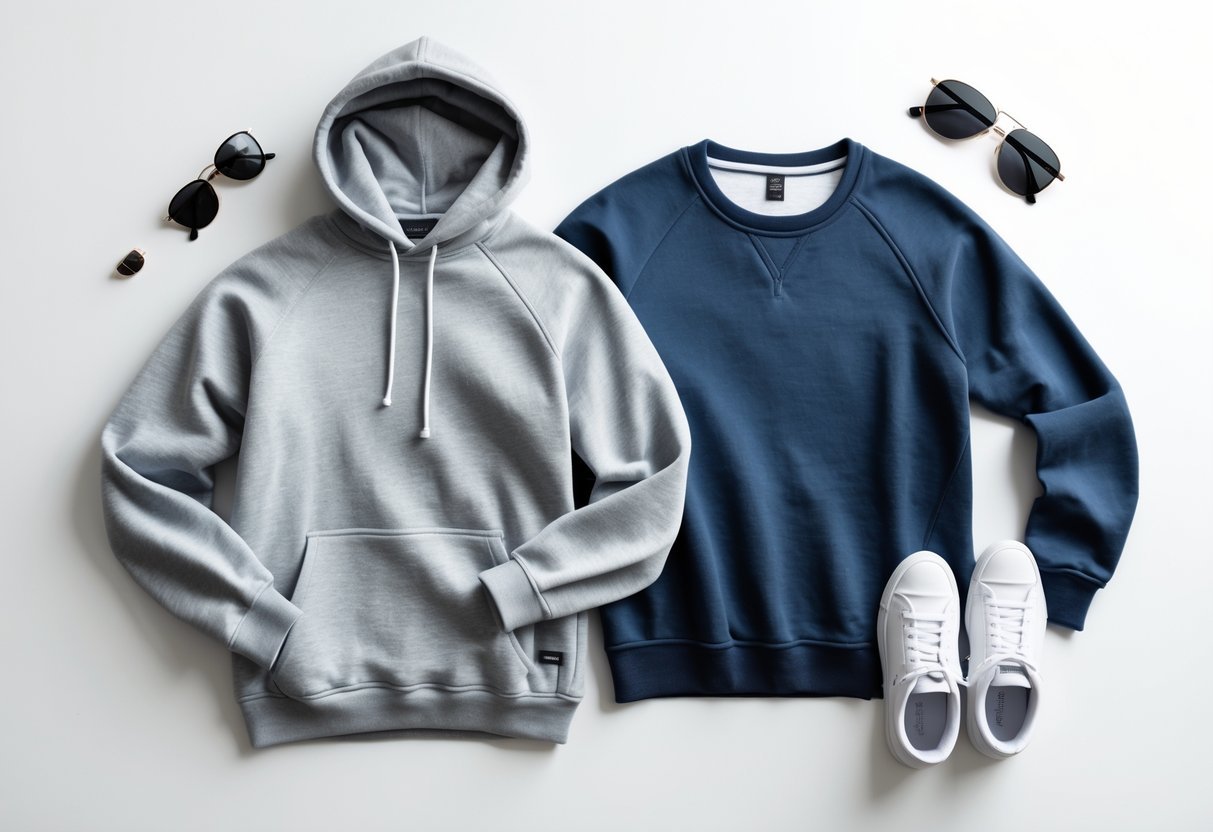
A hoodie is a type of sweatshirt that features a hood. It often includes a drawstring to adjust the hood’s fit. This design helps protect the head and neck from cold or wind.
Hoodies usually come with a front pocket or two, sometimes called a kangaroo pocket. Some hoodies have a full zipper in the front, while others are pullover style. The material is typically thicker cotton or fleece, making it warmer than a regular sweatshirt.
This garment is popular for layering in cooler weather. It combines comfort and practicality, offering both warmth and a casual style. Many people wear hoodies for sports, outdoor activities, or everyday casual looks.
2) Definition of a Sweatshirt
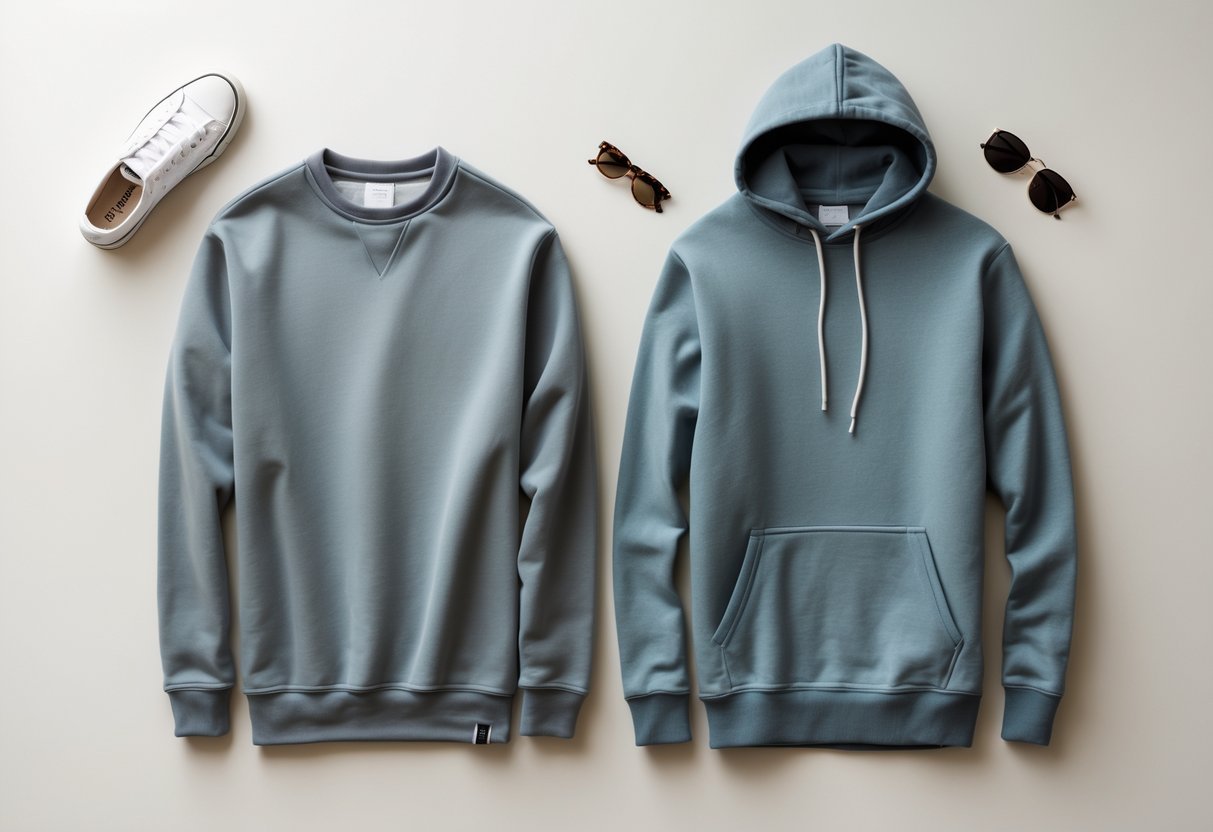
A sweatshirt is a long-sleeved shirt made from thick, soft fabric, usually cotton or a cotton blend. It is designed for warmth and comfort, often featuring a ribbed waistband and cuffs to keep the cold out.
Unlike hoodies, sweatshirts do not have a hood or drawstrings. Their simple design makes them versatile for casual wear and layering. People wear sweatshirts for everyday activities or light exercise because they provide warmth without added bulk.
Sweatshirts come in various styles and colors. Some may have prints or logos on the front, but their main focus is on comfort and practicality. They are typically lighter and less insulated than hoodies, making them better for mild weather.
3) Material Differences
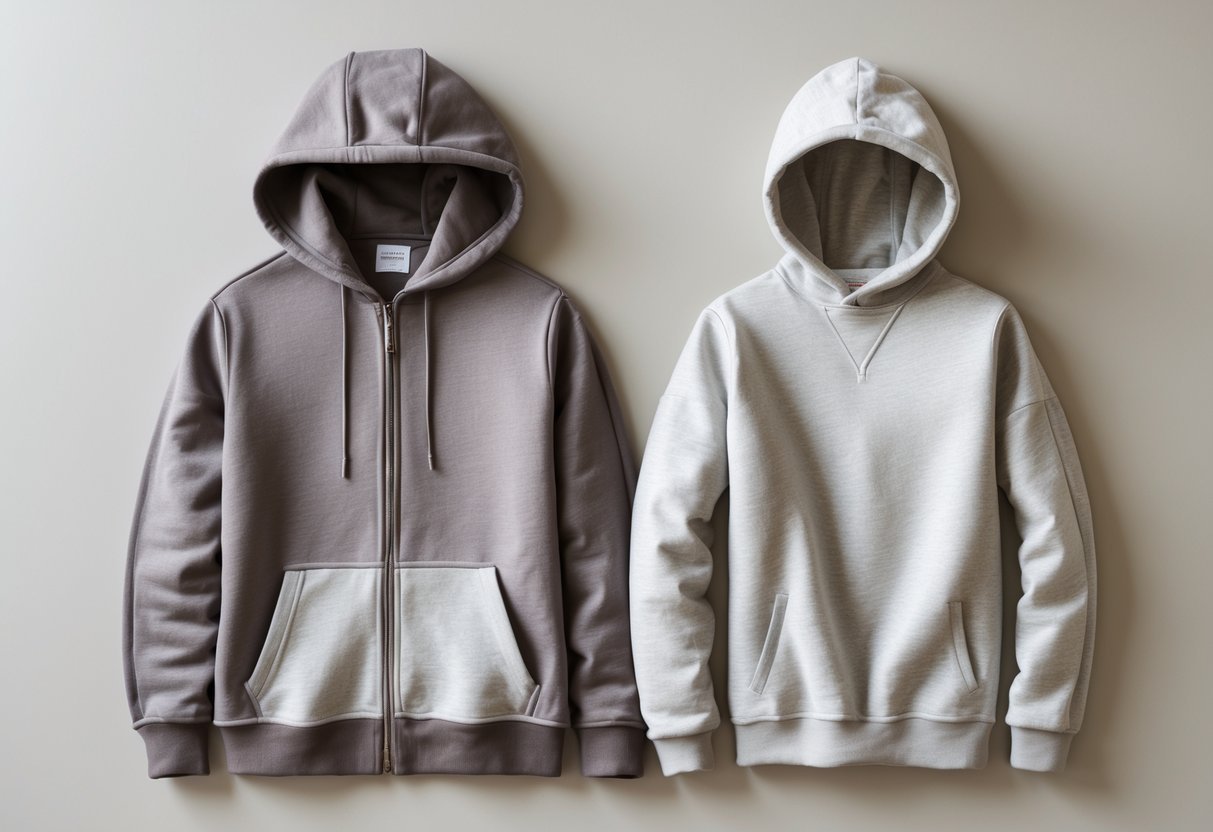
Hoodies and sweatshirts are often made from similar fabrics like cotton or polyester blends. Both use soft, thick materials that provide warmth and comfort. However, hoodies sometimes have an extra lining or fleece inside for added insulation.
The fabric weight can vary between the two. Sweatshirts usually feature a smoother, more uniform knit, which can make them feel lighter. Hoodies often have a chunkier texture because of the added layers needed to support the hood and its drawstrings.
Some hoodies include water-resistant or windproof materials for outdoor use. Sweatshirts generally focus on softness and breathability rather than protection against weather. This difference makes hoodies more functional in colder or windier conditions.
In both cases, the fabrics are designed to be durable. They can handle regular washing and wear without losing shape easily. Yet, users might notice hoodies wear slightly differently due to their more complex construction.
4) Hood Presence and Functionality
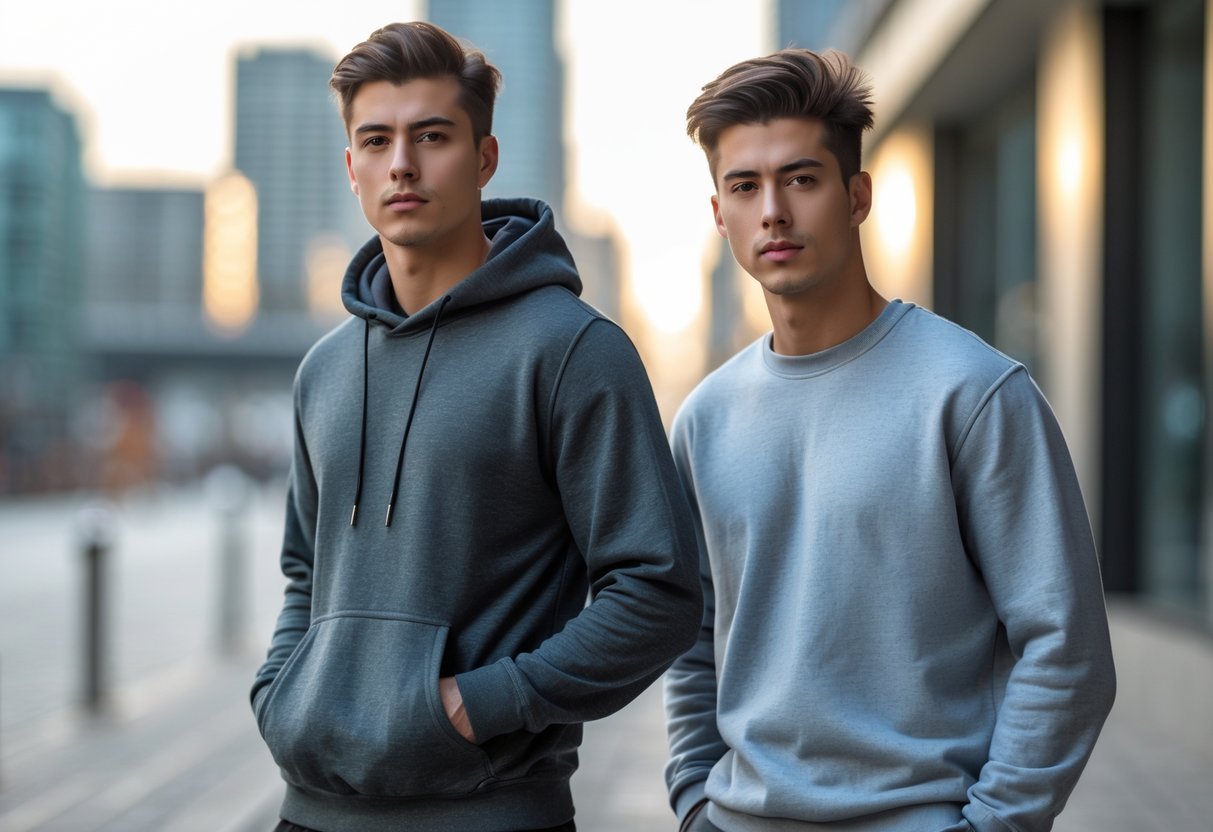
The main difference between a hoodie and a sweatshirt is the presence of a hood. A hoodie has an attached hood that can be pulled over the head for extra warmth or protection from the weather. This feature adds a layer of practicality that sweatshirts do not offer.
Sweatshirts typically have a simple, collarless neckline, focusing purely on comfort and ease of wear. They are usually easier to layer under jackets or coats because they lack the bulk of a hood.
The hood on a hoodie can also serve a style function. It allows for a casual, sporty look that many people prefer. Some hoodies include drawstrings to adjust the hood, adding an element of fit control.
In contrast, the absence of a hood on a sweatshirt can give it a cleaner, more classic appearance. This can make sweatshirts more versatile for different dress codes or fashion preferences.
Both pieces serve comfort well but meet different needs when it comes to function and style because of whether or not they include a hood.
5) Fit and Silhouette Variations
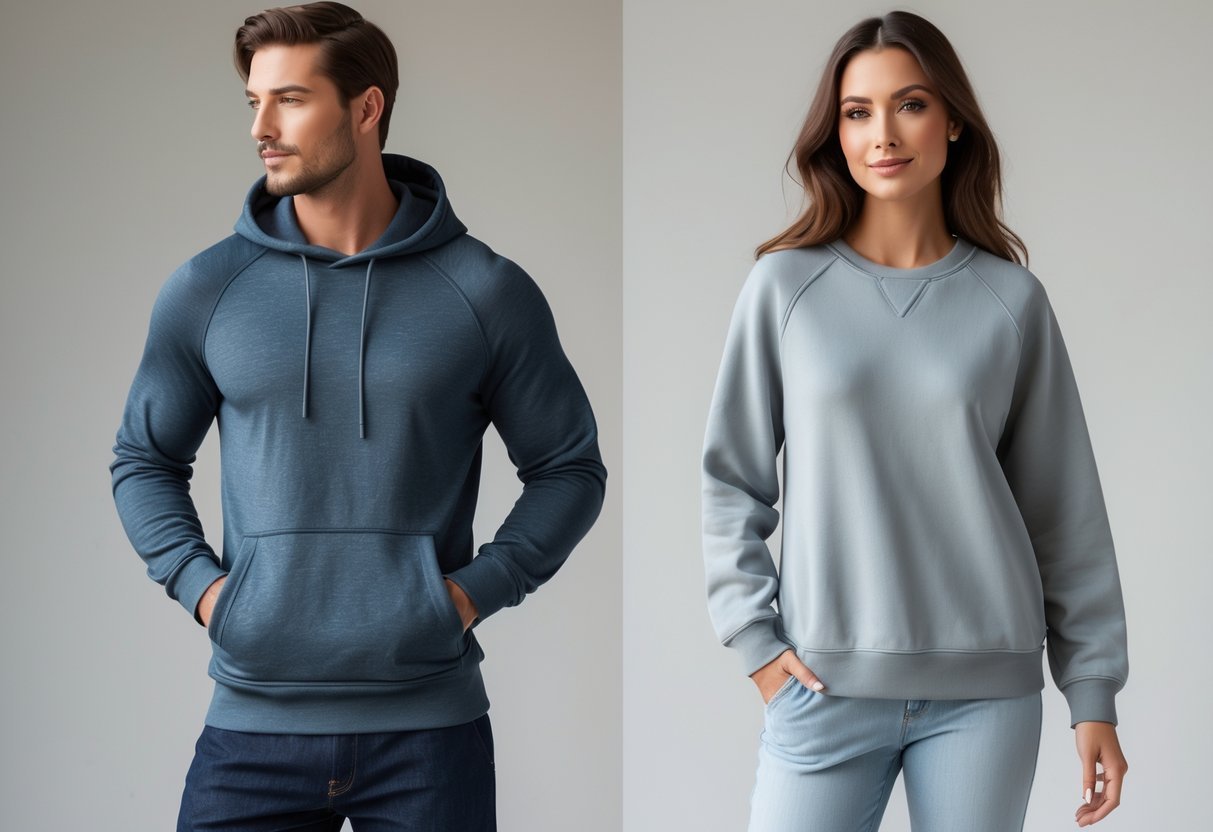
Hoodies and sweatshirts come in different fits to suit various styles and body types. Hoodies often feature a relaxed or oversized fit, giving more room for layering underneath. This makes them popular for casual, comfortable wear.
Sweatshirts usually have a more structured shape. They tend to be closer to the body, with a fitted or classic cut. This silhouette can create a cleaner look that works well for everyday wear or slightly dressier casual outfits.
Both garments can vary in length and sleeve style. Some hoodies have longer bodies or dropped shoulders for a trendier, laid-back feel. Sweatshirts often maintain standard proportions but can include ribbed cuffs and waists to enhance the overall shape.
Choosing the right fit depends on personal preference and use. Someone wanting flexibility and extra coziness may pick a loose hoodie. Others who want a neater appearance might go for a well-fitted sweatshirt. The size charts and body measurements are important to consider for achieving the best fit in either option.
6) Warmth and Insulation

Hoodies generally provide more warmth than sweatshirts because of their design. They have a hood that covers the head and neck, which helps block wind and retain heat. This makes hoodies a good choice for cooler days or windy conditions.
Sweatshirts usually do not have a hood. They offer warmth mainly through thick cotton or fleece material. While sweatshirts keep the body cozy, they can leave the head and neck exposed to cold air.
Both hoodies and sweatshirts can vary in material thickness. Thicker cotton or fleece fabrics provide better insulation. The fit also plays a role; a snug fit helps keep warmth close to the body, while a loose fit may let cold air in.
Hoodies with drawstrings on the hood allow adjustment, offering extra protection against cold winds. Sweatshirts focus more on comfort and are often easier to layer under jackets since they don’t have a hood.
7) Styling Tips for Hoodies
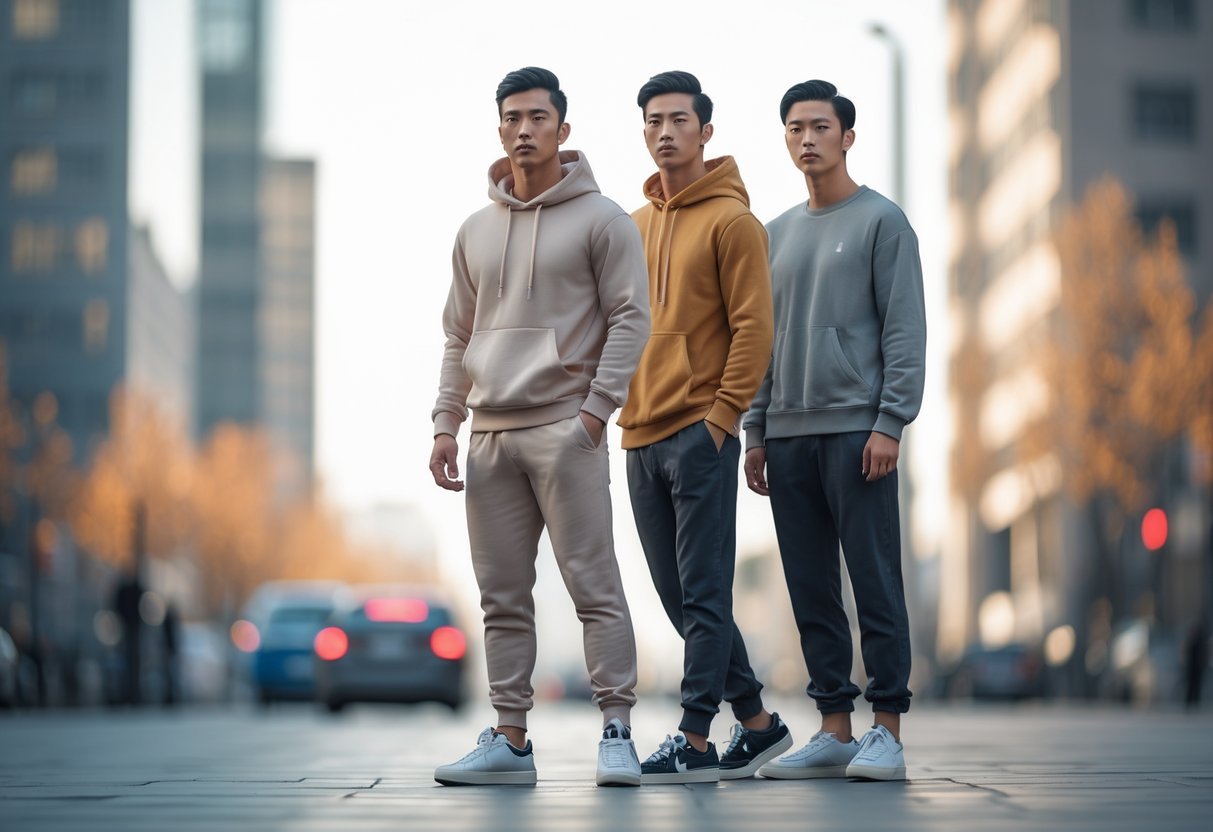
Hoodies are versatile and can be worn in many ways. Pairing a hoodie with joggers creates a casual, comfortable look. This combination works well for running errands or relaxing at home.
For a smart casual style, layering a hoodie under a denim or leather jacket is effective. It adds warmth and a touch of edge without losing comfort.
Choosing neutral colors like gray, black, or navy makes hoodies easy to match with other items. They fit well with jeans, cargos, or even casual shorts, giving many outfit options.
Oversized hoodies remain popular and offer a relaxed, streetwear vibe. Wearing one with fitted pants balances the look nicely and keeps it from feeling too bulky.
Simple accessories like caps or sneakers complete hoodie outfits. These choices keep the style fresh and practical for everyday wear.
8) Styling Tips for Sweatshirts
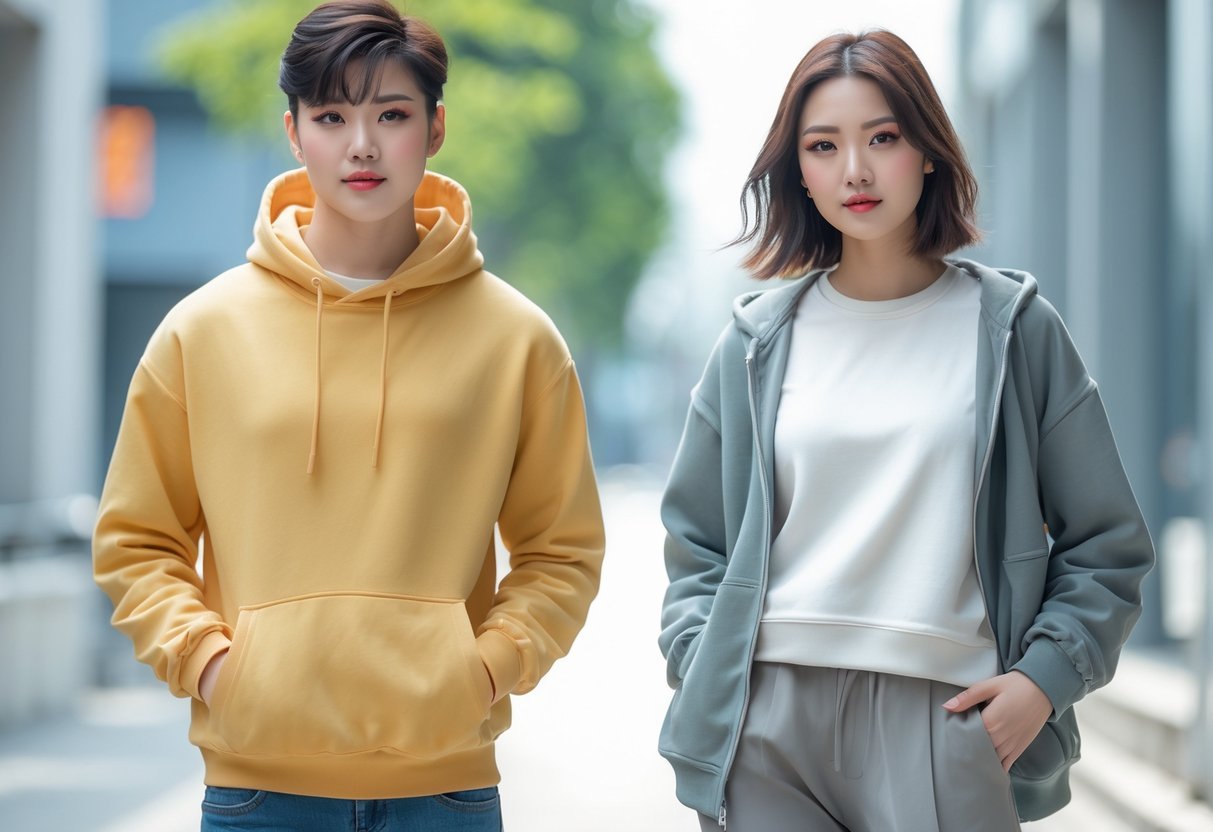
Sweatshirts are very versatile and work well with many styles. They can be paired with jeans or joggers for a casual, comfortable look. This makes them a great choice for everyday wear.
To create a smart casual outfit, one can layer a sweatshirt under a denim or leather jacket. This adds a bit of structure while keeping the look relaxed.
For a more fashion-forward approach, sweatshirts can be mixed with streetwear pieces. Bold colors or graphic designs help the sweatshirt stand out as the main clothing item.
Neutral-colored sweatshirts offer flexibility and pair easily with different bottoms. They serve as a solid base for adding accessories or layers without overwhelming the outfit.
Overall, sweatshirts adapt well to both laid-back and slightly polished looks. They provide comfort without sacrificing style, allowing for creative combinations.
9) Popular Hoodie Colors in 2025
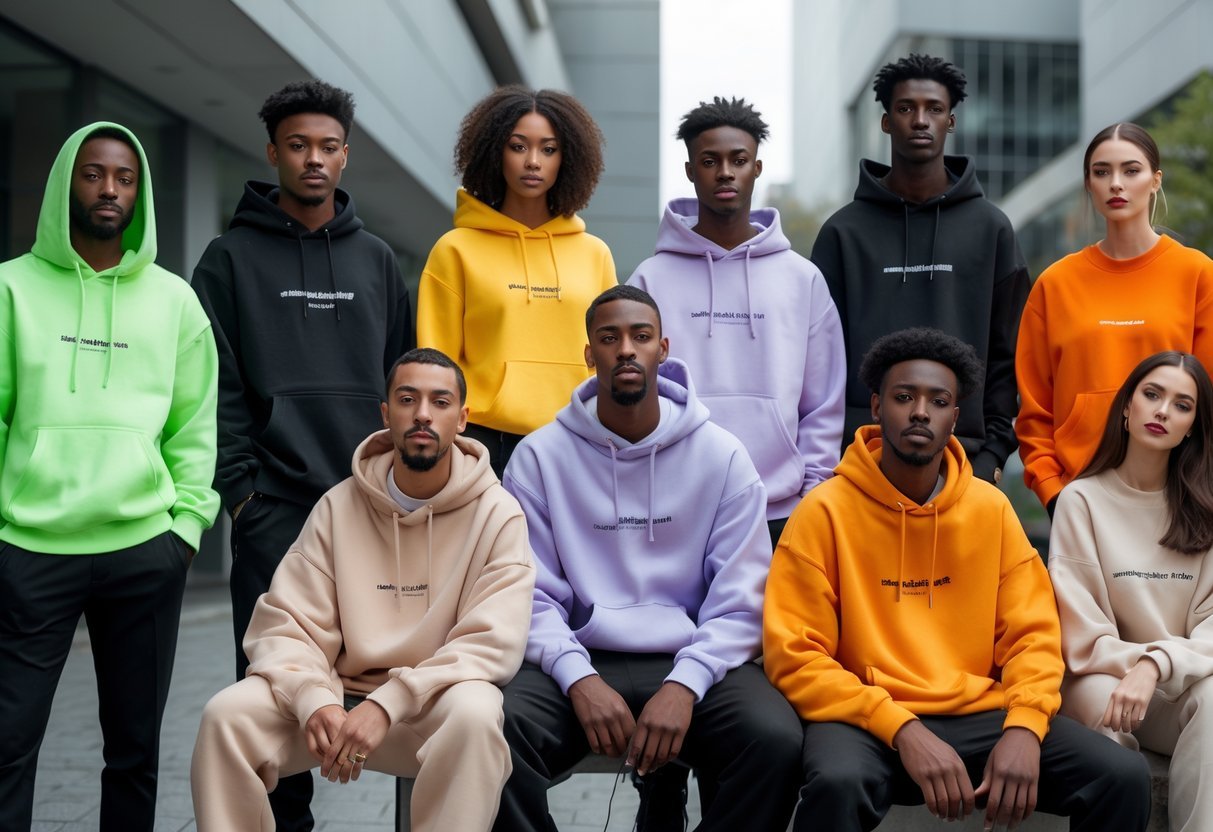
In 2025, hoodie colors reflect both classic choices and fresh trends. Neutral shades like black, gray, and white remain popular for their versatility and timeless appeal. These colors are easy to match and suit many different styles.
Bright and bold colors are also making a strong comeback. Shades like vibrant blue, burnt orange, and deep green add energy and personality to casual outfits. These colors often signal confidence and a desire to stand out.
Muted tones such as soft pastels and earthy hues are gaining traction too. Colors like dusty pink, olive, and beige offer a more subtle, natural look. They fit well with the growing trend of sustainable and minimal fashion.
Color in hoodies is no longer just about warmth. It plays a key role in expressing personal style and culture. Many choose colors based on mood or statement rather than simply following fashion rules. This makes the hoodie a versatile piece for many wardrobes in 2025.
10) Popular Sweatshirt Colors in 2025
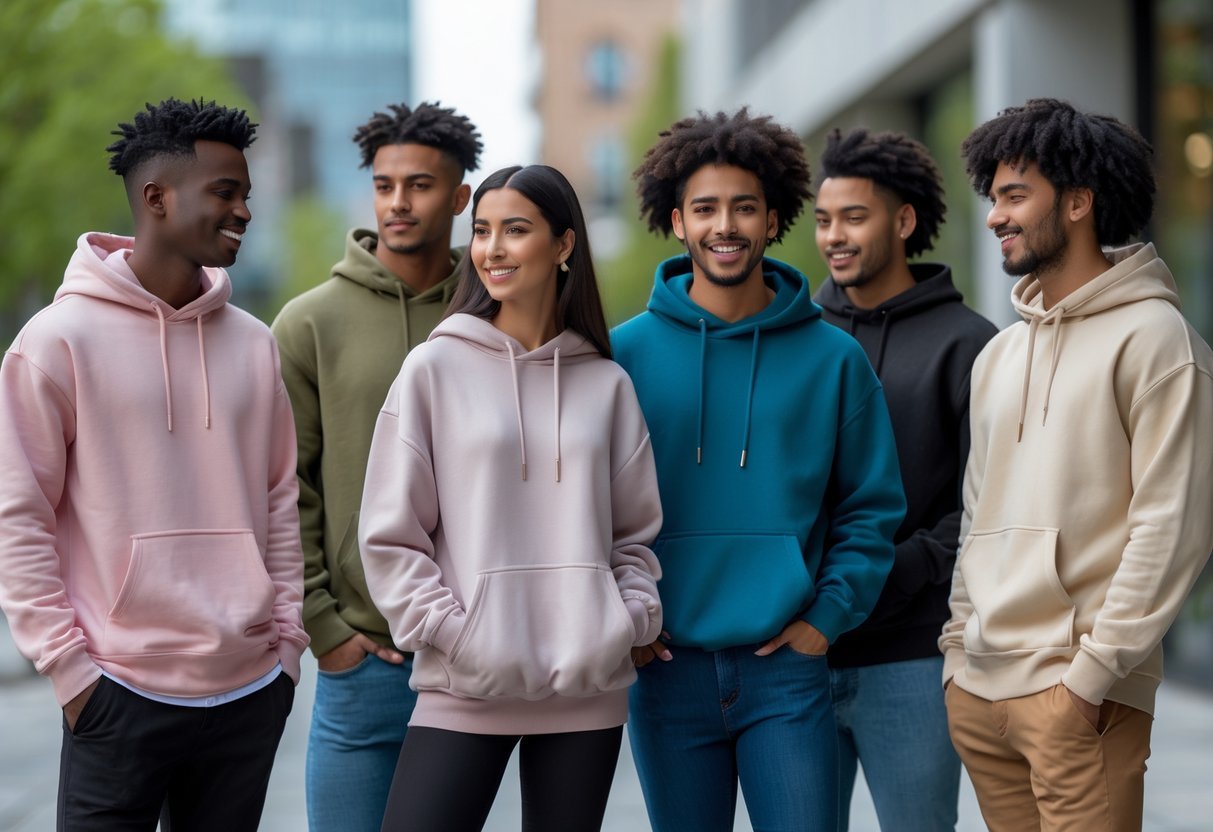
Sweatshirt colors in 2025 show a balance between timeless shades and fresh, trendy hues. Neutral tones like gray, beige, and black remain favorites. These colors offer versatility and pair easily with different outfits.
Alongside neutrals, soft pastels such as light blue, mint green, and pale pink have gained popularity. These colors add a subtle, calming touch to casual wear. They fit well with the growing preference for comfortable and relaxed styles.
Earth tones like burnt orange, olive, and mustard are also in demand. These shades reflect a connection to nature and support the move toward sustainable fashion. They help sweatshirts stand out without being too bold.
Bright colors are less common but still make an appearance in limited editions or custom designs. Red and royal blue appear especially in sporty or streetwear styles. Choosing sweatshirt colors today involves blending practicality with current style trends.
Key Differences Between Hoodies and Sweatshirts

Hoodies and sweatshirts look similar but have clear differences in design, materials, and how people use them. These differences affect comfort, style, and practicality in everyday wear.
Design and Structure
The main design difference is that hoodies include a hood, while sweatshirts do not. Hoodies often have a front pocket or pouch, and some come with zippers. Sweatshirts are usually simple pullovers without any openings or hoods.
Hoodies offer added protection from weather with their adjustable drawstring hoods. Sweatshirts focus on straightforward warmth with a clean, minimal look. The fit can vary, but hoodies often feel heavier due to extra fabric around the hood and pocket area.
Fabric Choices and Materials
Both garments mostly use cotton or fleece blends, but hoodies tend to have thicker and warmer materials. This is because hoodies are designed for colder weather and layering. Sweatshirts can vary more, often lighter and made for moderate warmth.
Materials affect breathability and insulation. Hoodies usually use fleece-lined fabric, which traps more heat. Sweatshirts may be softer and more flexible but less insulating. Both can come in different weights depending on the brand and style.
Practicality and Use Cases Hoodie vs Sweatshirt
Hoodies are better for outdoor activities or cooler weather due to the hood and thicker fabric. They provide more versatility for casual or athletic wear. The front pocket offers convenient storage or a place to keep hands warm.
Sweatshirts work well for layering indoors or mild weather. They are often chosen for simple comfort and easy styling. Without a hood or pockets, sweatshirts are less bulky and can fit under jackets more easily. Both options suit casual settings but serve slightly different needs.
Styling Tips for Hoodies and Sweatshirts
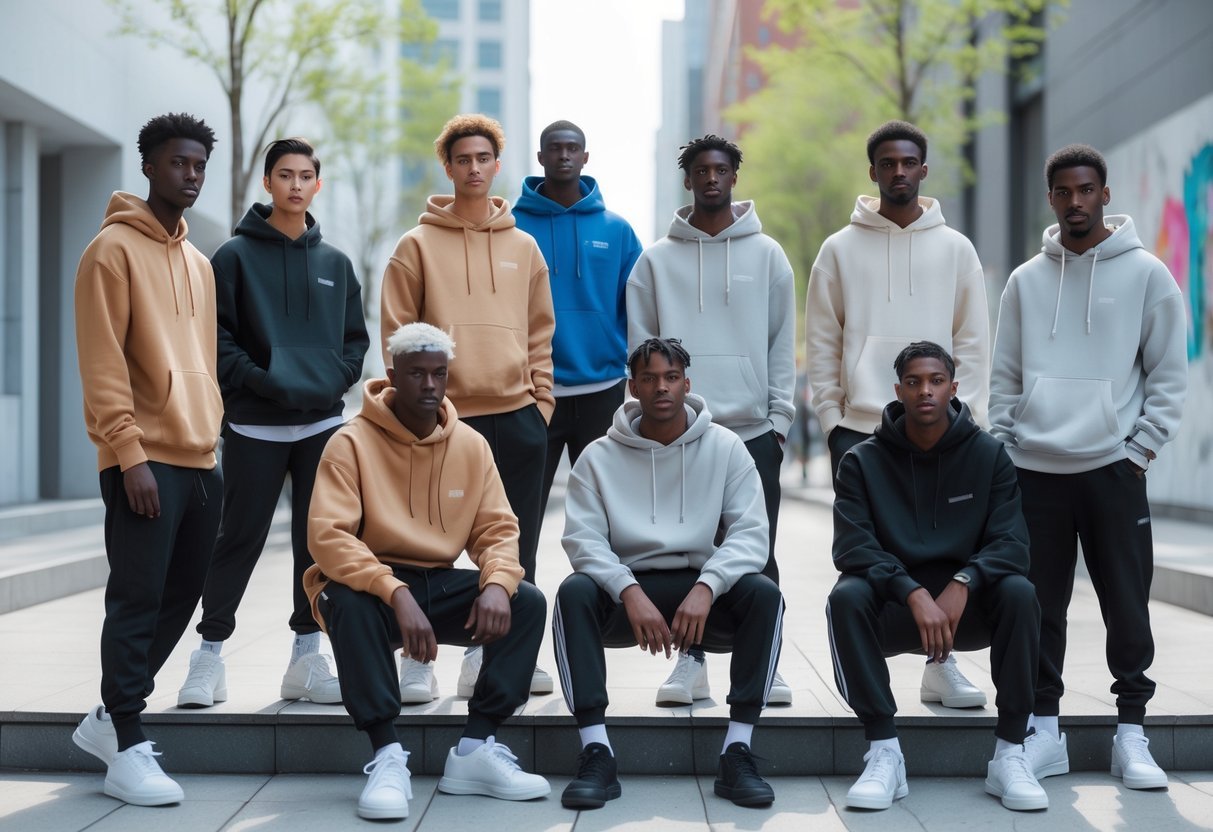
Hoodies and sweatshirts each bring comfort and style but require different approaches to get the best look. Choosing the right layers and accessories can make these pieces work for various settings and seasons.
Layering for Different Seasons Hoodie vs Sweatshirt
In cooler months, hoodies are perfect under jackets or coats. Their hoods add warmth and protect against wind or light rain. A slim-fit hoodie works well with a bomber or denim jacket, while oversized hoodies pair nicely with longer outerwear like parkas.
Sweatshirts are versatile for layering too. They can be worn over collared shirts for a smart casual look or under blazers to add warmth without bulk. In milder weather, a lightweight sweatshirt alone offers a neat, casual appearance.
For warmer seasons, choosing lightweight fabrics or thinner options is key. Unzipped hoodies can go over t-shirts, while sweatshirts work well paired with shorts or light pants. Layering should balance comfort with style, avoiding too much bulk.
Pairing with Accessories Hoodie vs Sweatshirt
Accessories can transform hoodies and sweatshirts from simple to stylish. Beanies and caps work well with hoodies, enhancing their casual vibe and adding extra warmth.
For sweatshirts, simple jewelry like chains or watches can add subtle elegance. Backpacks or crossbody bags suit both pieces but choosing sleek, minimal designs makes outfits look more polished.
Scarves are great for sweatshirts in cold weather, especially when layered under coats. Sunglasses add a cool edge to hoodie outfits, making them fit for streetwear looks.
Using accessories thoughtfully helps elevate casual basics into more defined styles.
Frequently Asked Questions
This section answers common questions about hoodies vs sweatshirts, focusing on design, how they compare to other garments, practical uses, and style choices. It also explains why hoodies are popular and offers fashion tips for wearing them.
What distinguishes a hoodie from a sweatshirt in terms of design and functionality?
A hoodie always has a hood and often features a front pocket or zipper. Sweatshirts lack a hood and usually come as simple pullovers. Functionally, hoodies provide extra protection with the hood, while sweatshirts focus on straightforward warmth.
How does a hoodie differ from a sweater?
A sweater is typically knitted and made from wool or similar yarns, designed for warmth in cooler weather. Hoodies are usually made from cotton or fleece fabrics and have a more casual, sporty look with added features like a hood and pockets.
Can you explain the different uses for hoodies and jackets?
Hoodies work well as casual wear or lightweight outer layers. They are comfortable for lounging or light exercise. Jackets, on the other hand, are designed for stronger protection against wind and rain and often have zippers and insulation for cold weather.
What style considerations should be taken into account when choosing between a sweatshirt and a crew neck?
A sweatshirt is versatile and generally fits comfortably with minimal details. Crew necks are a type of sweatshirt without a hood and have a simple round neckline. Choosing between them depends on the desired look—crew necks fit well under jackets, while sweatshirts offer a relaxed style.
What factors contribute to the popularity of hoodies among Gen Z?
Hoodies appeal to Gen Z due to their comfort, casual style, and versatility. They match well with streetwear trends and allow for personal expression through designs and logos. The hood also adds a sense of privacy or coziness that many find appealing.
When talking about fashion, what are the guidelines for wearing a hoodie?
When wearing a hoodie, pairing it with joggers or jeans works for a casual or athleisure look. Hoodies should fit well—too baggy can look sloppy, while too tight limits comfort. Layering with jackets or coats can add style and warmth, making it suitable for different settings.