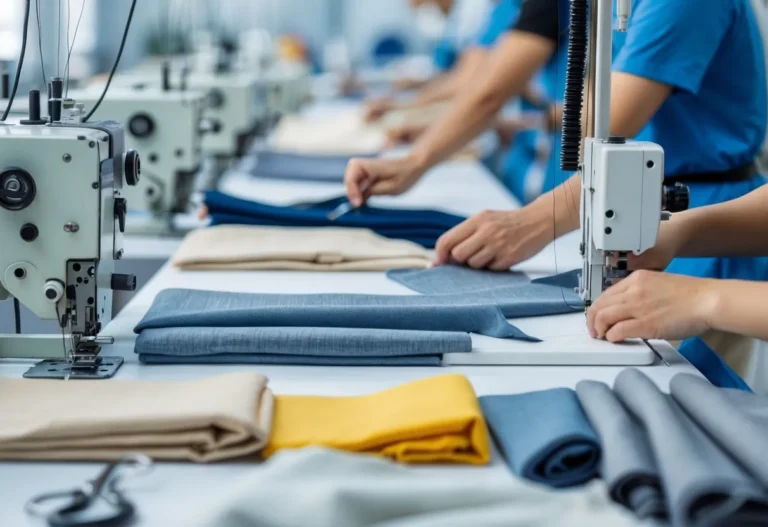
Sports fabric plays an important role in how comfortable and effective athletic clothing is during physical activity. Choosing the right fabric can impact performance, comfort, and durability. Understanding the different types of sports fabric helps people find the best option for their specific needs and activities.
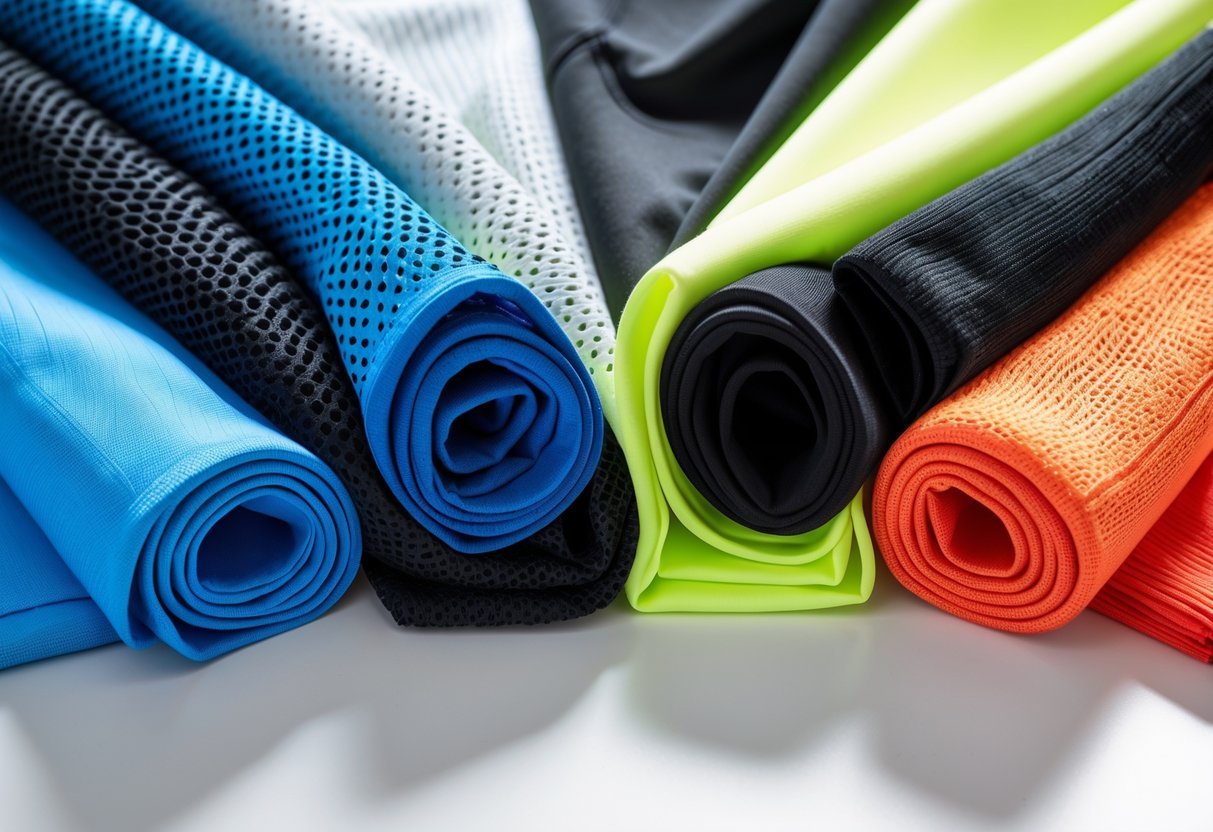
These fabrics are designed to handle sweat, movement, and various weather conditions. Each type of fabric offers unique features like moisture-wicking, breathability, or stretch, making some more suitable for certain sports or exercises than others. Knowing these differences can help improve both comfort and performance.
Table of Contents
1) Polyester
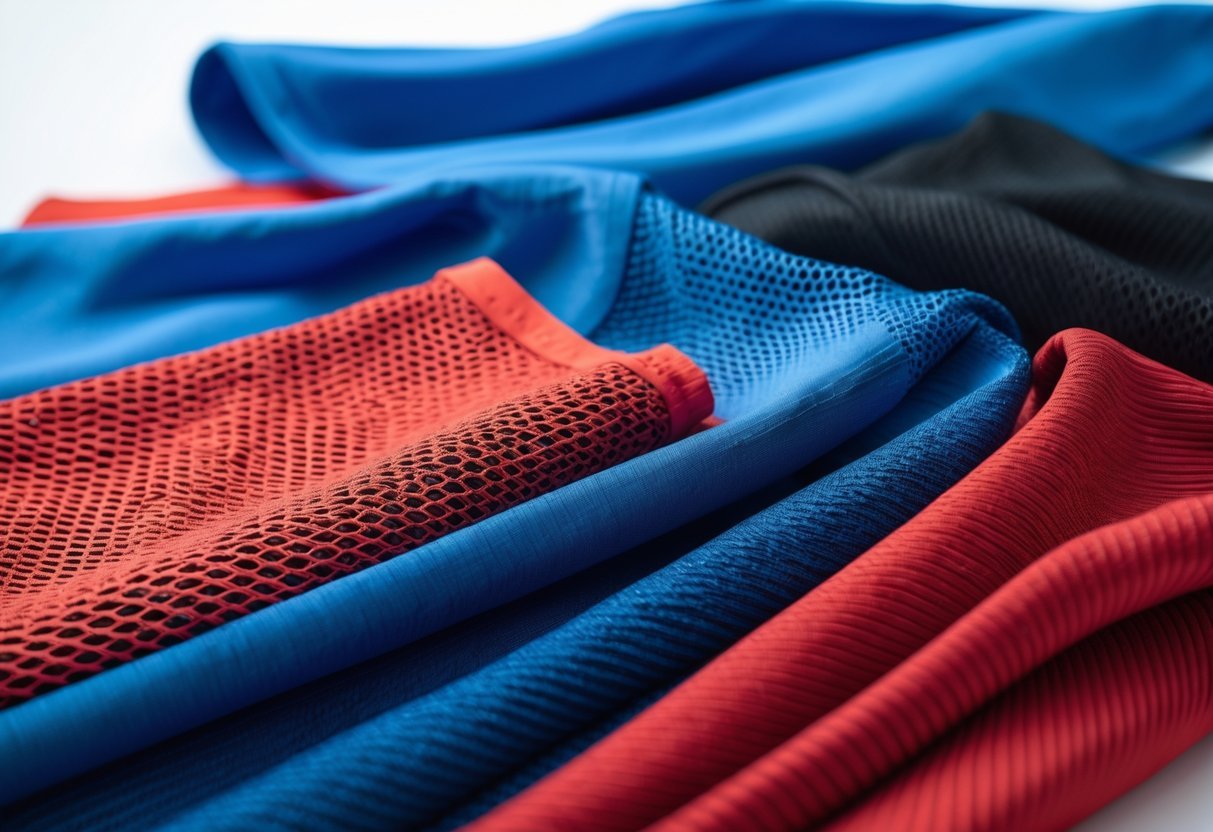
Polyester is one of the most common fabrics used in sportswear. It is a synthetic fiber known for being strong and durable. These qualities make it suitable for many types of activewear, including jerseys, shorts, and tracksuits.
Polyester dries quickly, which helps keep athletes comfortable by moving sweat away from the skin. However, polyester alone does not offer much breathability. To improve comfort, it is often blended with natural fibers like cotton or with other synthetics like spandex.
Its versatility allows manufacturers to create fabrics tailored to different sports and activities. Polyester can be made lightweight or thick, stretchy or firm, depending on the needs of the athlete.
This fabric also resists wear and tear, making it a practical choice for outdoor and high-intensity sports. Polyester fabrics can even protect against some UV rays and water, which adds to their usefulness in various conditions.
2) Nylon
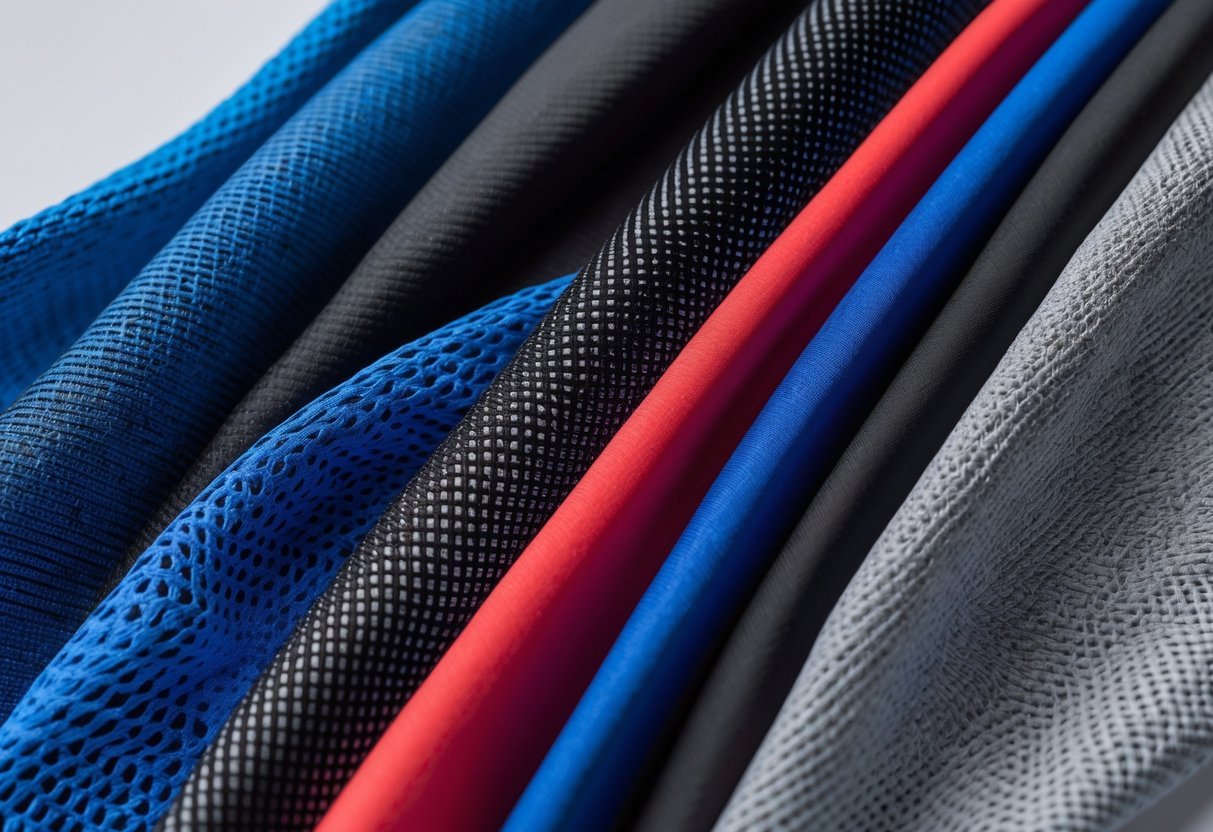
Nylon is a popular synthetic fabric used in sportswear. It is known for its strength and durability, which makes it resistant to wear and tear during intense activities. This fabric holds up well over time, even with frequent use.
Nylon also offers excellent moisture-wicking properties. It can pull sweat away from the skin, helping athletes stay dry and comfortable. This makes it a good choice for workouts and outdoor sports.
The fabric tends to have good stretch, which supports movement without losing shape. Some types of nylon even provide a compression fit that can enhance performance by improving blood flow and muscle support.
There are different types of nylon used in sportswear, each with slight variations. These differences affect breathability, softness, and how fast the fabric dries. Choosing the right nylon depends on the specific activity and comfort needs.
Overall, nylon combines performance, durability, and moisture management. These qualities make it a trusted option for many athletes and active individuals.
3) Spandex (Elastane)
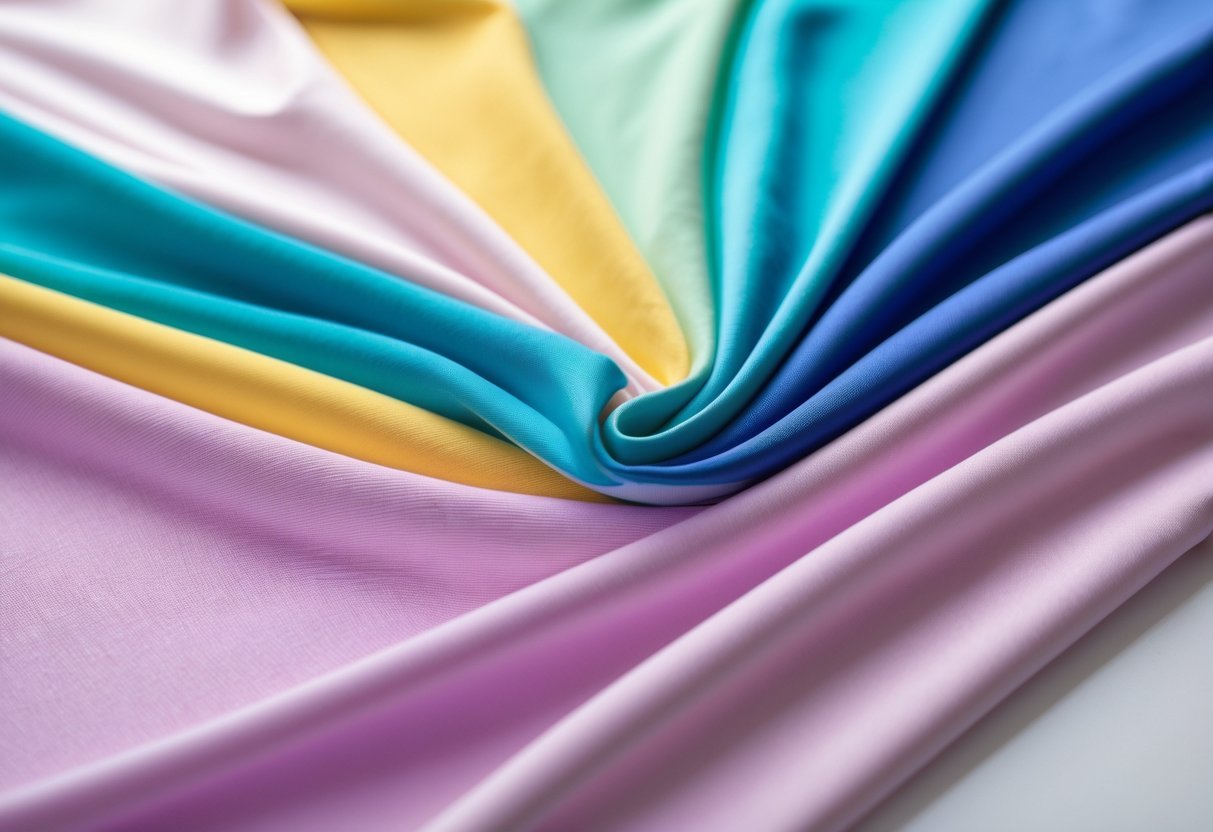
Spandex, also known as elastane or by the brand name Lycra, is a synthetic fiber known for its excellent stretch and recovery. It can stretch several times its original length and return quickly to its shape. This makes it very popular in sports fabrics, where flexibility and comfort are important.
It is often blended with other fibers like nylon, polyester, or cotton. These blends improve durability, moisture-wicking, and breathability. Spandex adds shape retention to fabrics, helping garments fit closely without losing form during movement.
Spandex fabrics dry quickly and allow air to flow, which helps manage sweat during exercise. Athletes and activewear brands prefer spandex for its soft feel and ability to move with the body. Its elasticity supports both high-performance activities and everyday comfort.
4) Cotton blends
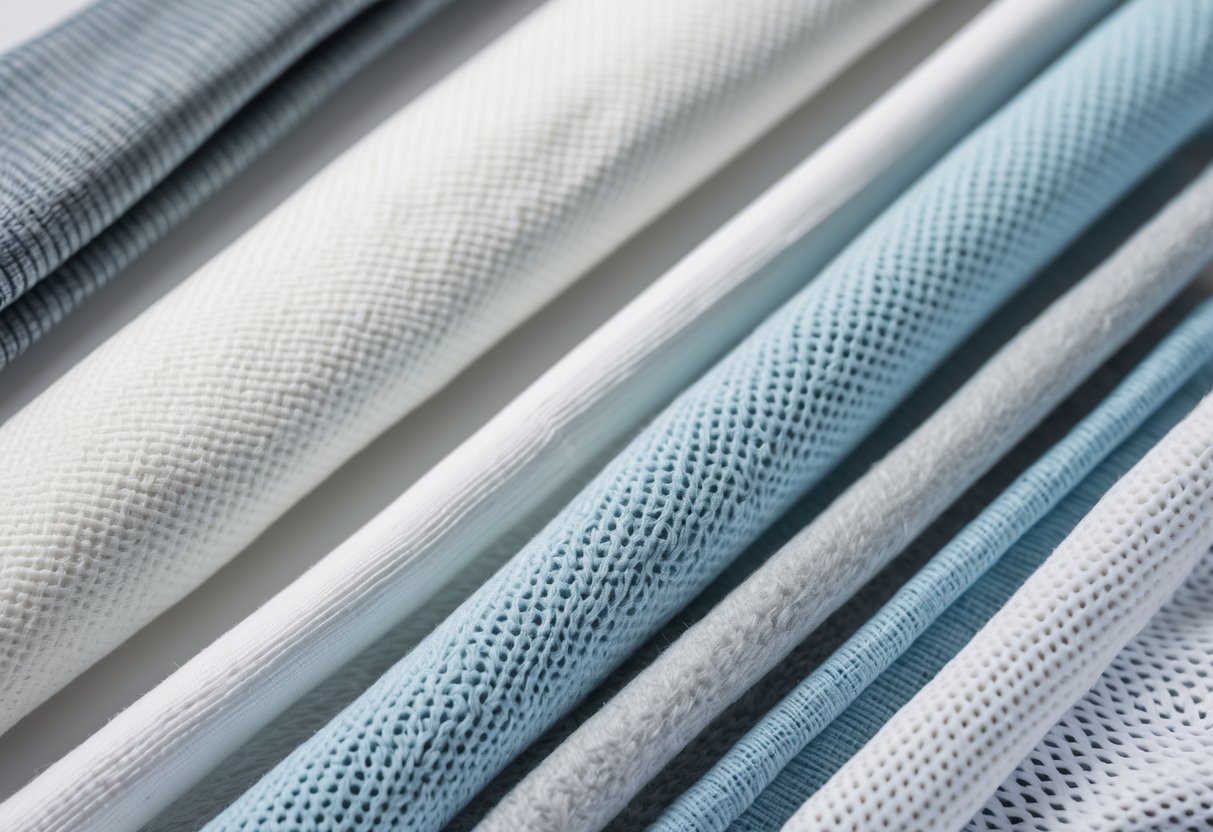
Cotton blends mix cotton with other fibers like polyester, spandex, or nylon. This combination enhances the natural comfort and breathability of cotton. The added fibers improve durability and moisture management, which pure cotton lacks.
Athletes often choose cotton blends because they balance softness with performance. For example, a cotton-polyester blend can wick sweat better and dry faster than 100% cotton. Meanwhile, small amounts of spandex add stretch, making the fabric more flexible during movement.
Cotton blends are popular for casual sportswear and everyday workouts. They offer a comfortable fit while handling light to moderate activity. Though not the best for intense, high-sweat exercise, cotton blends remain a solid choice for many sports and fitness routines.
5) Polyester/Spandex blend
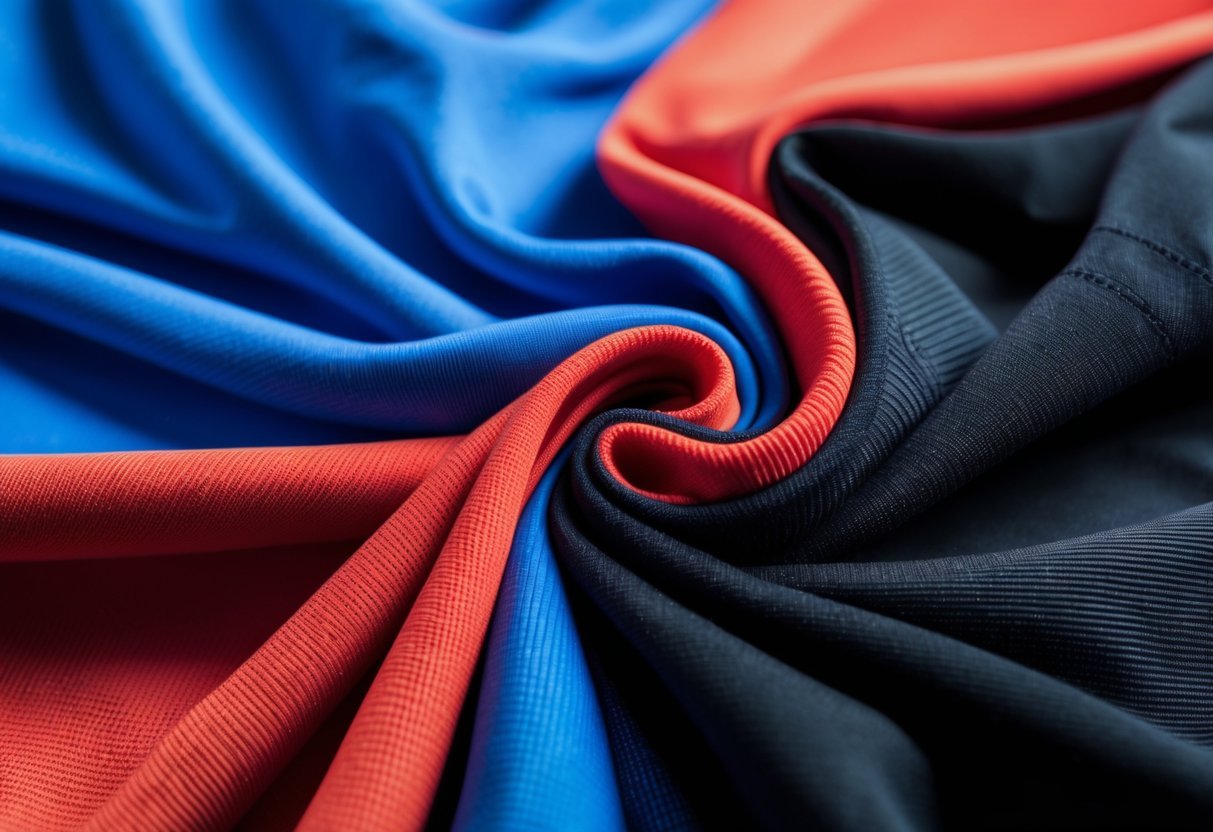
Polyester/spandex blends are popular in sportswear because they combine the strengths of both fibers. Polyester adds durability and resistance to wear, while spandex gives the fabric strong stretch and flexibility. This mix helps clothes keep their shape even after many uses.
The blend is ideal for tight-fitting athletic clothes like leggings, sports bras, and tops. It stretches easily to fit the body and offers support without feeling too tight. The fabric also dries quickly, which is helpful during workouts.
Polyester/spandex fabrics resist wrinkles and hold color well. They do not absorb much moisture, so they stay light and breathable. These features make the blend practical for different sports and outdoor activities where comfort and movement are important.
6) Merino Wool
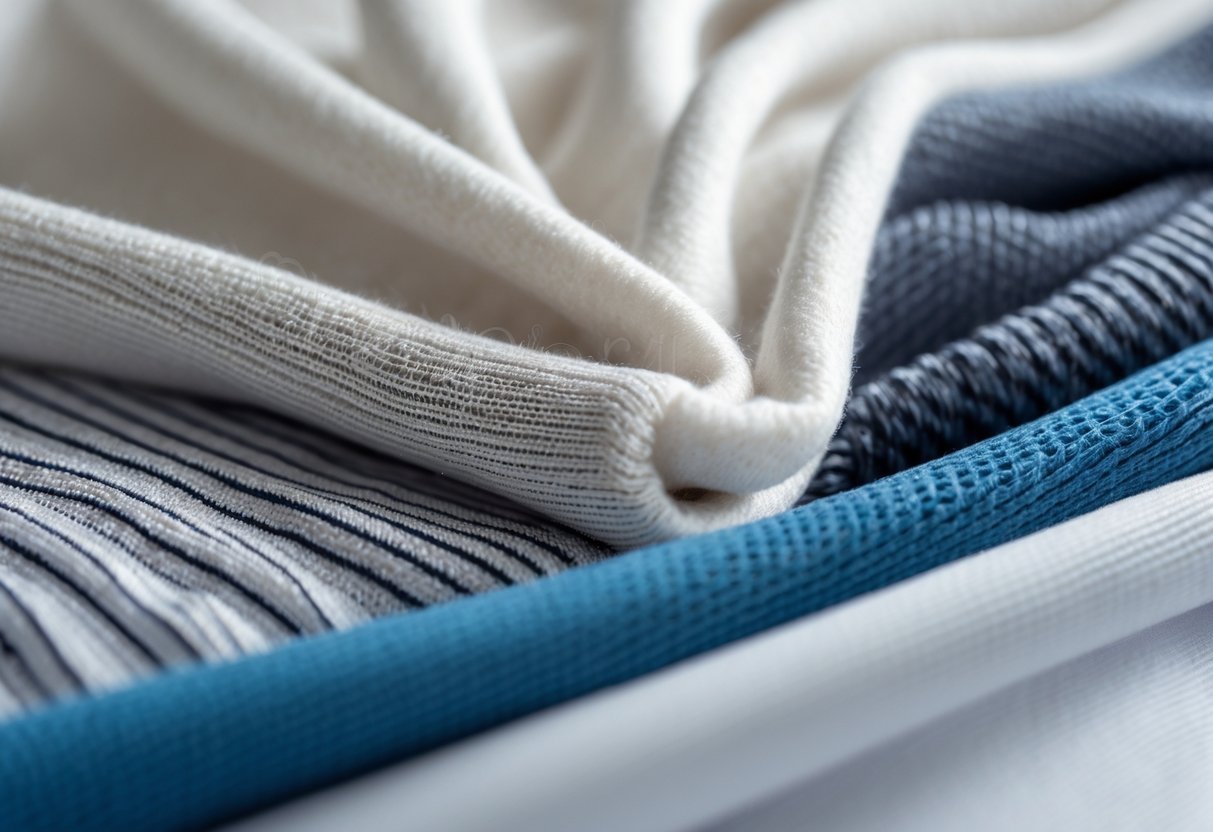
Merino wool comes from Merino sheep and is known for being soft and skin-friendly. Unlike regular wool, it does not itch and feels comfortable against the skin, making it ideal for sportswear. It can be used for different layers, from base layers to outerwear.
This fabric naturally regulates temperature. It keeps the wearer warm in cold weather and cool when it is hot. It also absorbs moisture and dries quickly, which helps keep the skin dry during exercise.
Another advantage of Merino wool is its ability to resist odor. This means it can be worn for several days without smelling bad, which is useful for long outdoor activities.
Merino wool is strong and durable. It stands up well to wear and tear, which is important for active sports clothing. Because of these qualities, Merino wool is popular in hiking, skiing, and running gear.
7) Bamboo fabric
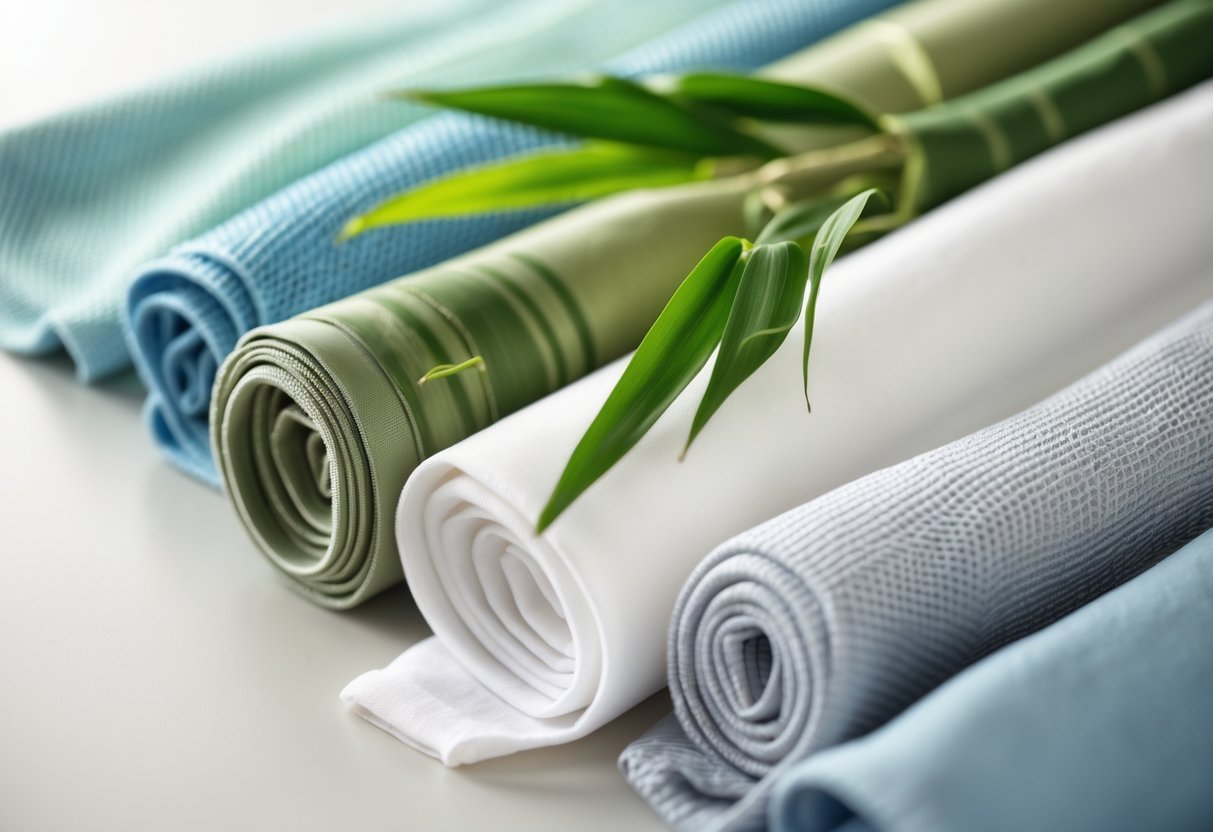
Bamboo fabric is becoming a popular choice for sportswear because of its natural softness and breathability. It is a sustainable material, made from bamboo plants that grow quickly and need little water. This makes it an eco-friendly alternative to many synthetic fabrics.
The fabric offers good moisture-wicking properties. It absorbs sweat well but does not dry as fast as polyester or nylon. This makes bamboo suitable for moderate workouts or light activities. It also resists odors better than cotton, which helps keep clothes fresher during multiple wears.
Bamboo fabric is gentle on the skin and free from harmful chemicals. This reduces the risk of irritation or allergic reactions. Because of its softness and comfort, many people choose bamboo for activewear like T-shirts, leggings, and underwear.
While bamboo fabric is not as stretchy as spandex or nylon, it still offers some flexibility. It works best for those who want a soft, breathable, and eco-friendly option for sports and daily wear.
8) Coolmax
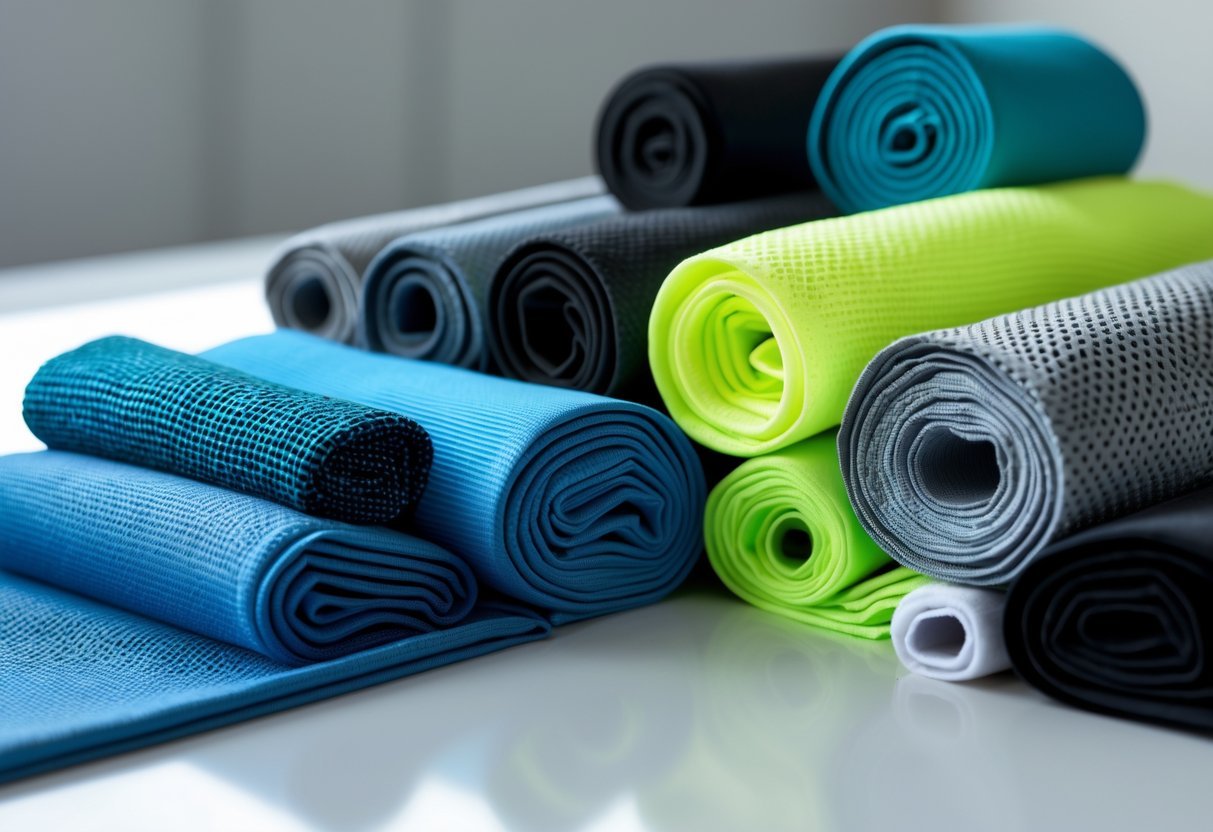
Coolmax is a type of polyester fabric made to manage moisture effectively. It uses specially designed fibers that pull sweat away from the skin. This helps keep the wearer dry and comfortable during physical activities.
The fabric also allows heat to escape, which helps regulate body temperature. Because of this, Coolmax is often used in sportswear like socks, shirts, and shorts. It is lightweight and dries quickly, making it suitable for intense workouts.
There are several kinds of Coolmax fabrics available. Some are designed for year-round use, while others focus on odor control or enhanced moisture management. Additionally, some versions like EcoMade use recycled materials, which helps reduce environmental impact.
Coolmax’s structure features fibers with a unique shape that spreads moisture over a larger surface area. This speeds up evaporation to keep the fabric dry. This feature makes Coolmax a practical choice for athletes and active people who want performance clothing that stays fresh.
9) Microfiber
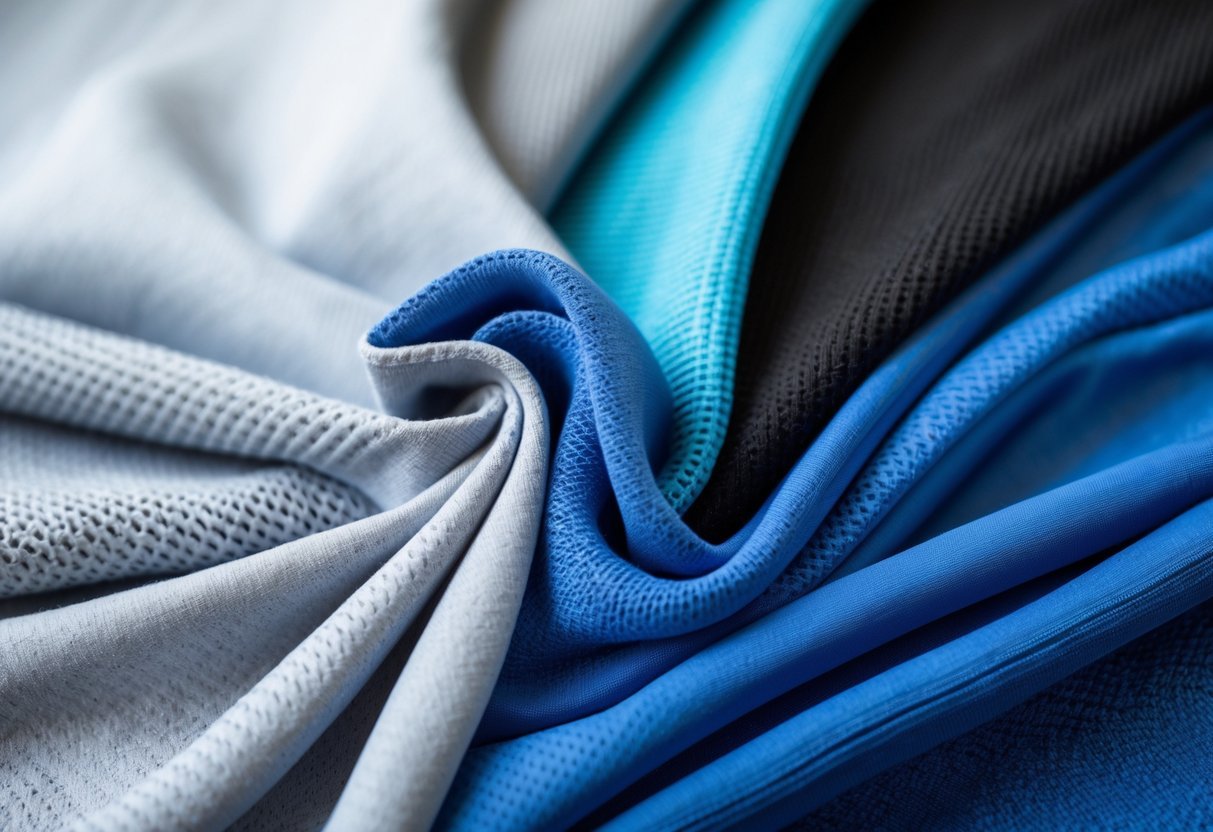
Microfiber is made from very fine synthetic fibers, often polyester or nylon. These fibers are much thinner than traditional threads, which gives microfiber fabric a soft and lightweight feel.
This fabric is known for its ability to wick away moisture quickly. It helps keep the wearer dry by pulling sweat away from the skin, making it popular for gym clothes and activewear.
Microfiber also allows good airflow, which helps regulate body temperature during exercise. It dries fast and does not hold onto odors as much as some other fabrics.
The material is durable and resists wear and tear, so sportswear made from microfiber tends to last through many washes and intense use. Its smooth texture is gentle on the skin, reducing irritation during physical activity.
Because microfiber fabric traps moisture well, it is effective for managing sweat without feeling heavy. This makes it suitable for a wide range of sports and workouts.
10) Supplex Nylon
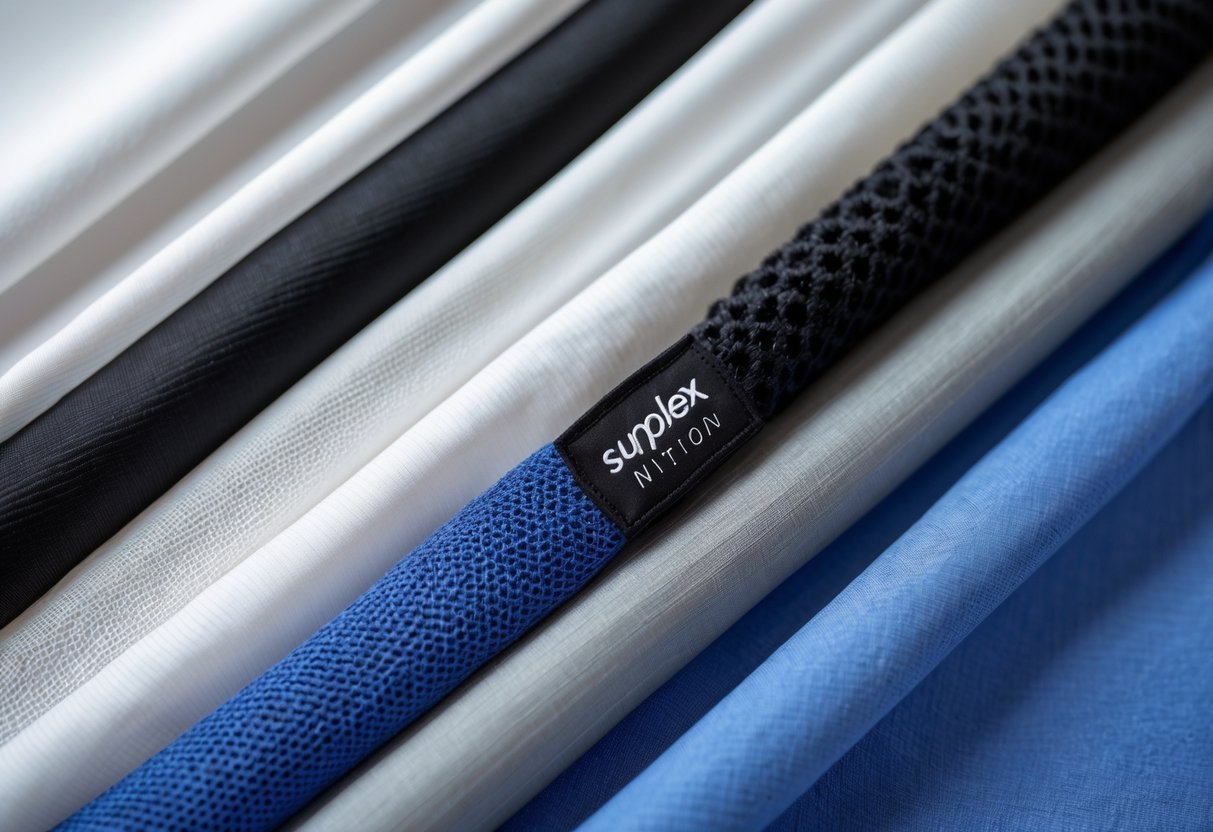
Supplex nylon is a type of fabric designed to combine the softness of cotton with the strength and durability of nylon. It is made from very fine nylon fibers that are tightly woven together. This process gives Supplex a smooth texture that feels comfortable against the skin.
This fabric is popular in sportswear because it offers good stretch and flexibility. It is often used in activewear like leggings, sports bras, and swimwear. Supplex nylon holds up well to frequent use and washing, making it a practical choice for athletes.
Supplex also has moisture-wicking properties, which helps to keep the wearer dry during exercise. It dries faster than cotton, which reduces discomfort from sweat. Additionally, this fabric is lightweight and breathable, adding to overall comfort during physical activity.
Because Supplex nylon resists fading and damage, it maintains its appearance over time. It is also easier to care for than natural cotton, as it wrinkles less and dries quickly. These qualities make Supplex nylon a reliable fabric for many types of sports clothing.
Key Characteristics of Sports Fabrics
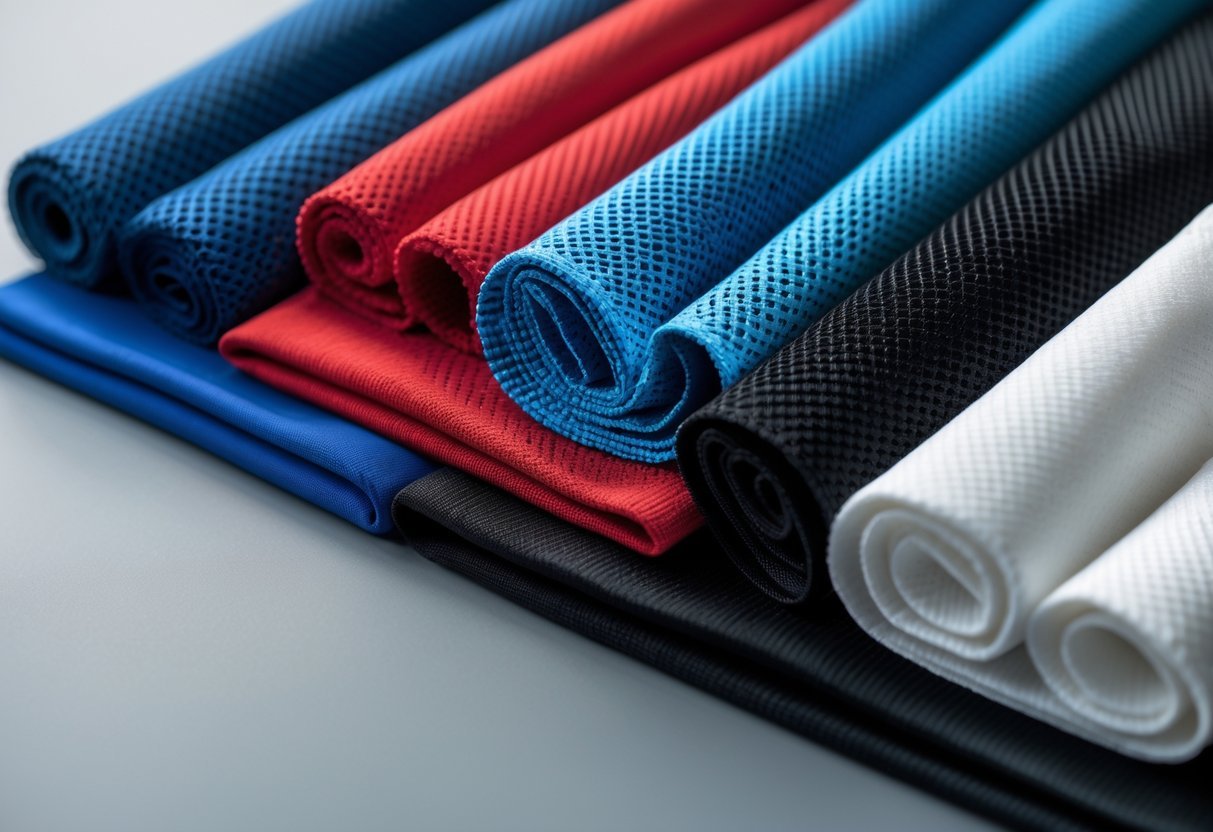
Sports fabrics are designed to meet the demands of physical activity. They focus on managing sweat, keeping the body cool, and allowing movement. These key traits shape how well the fabric supports an athlete during exercise.
Moisture-Wicking Capabilities
Moisture-wicking fabrics pull sweat away from the skin to the fabric’s surface. This helps the sweat evaporate faster, keeping the wearer dry. Materials like polyester are often used for this purpose because they do not soak up water like cotton.
Blending polyester with cotton or other fibers can improve comfort by adding softness, while still providing moisture control. Moisture-wicking fabrics reduce chafing and discomfort from sweat buildup. This feature is important for high-intensity or long-duration sports where staying dry improves focus and performance.
Breathability and Ventilation
Breathability refers to a fabric’s ability to allow air to pass through it. Good ventilation helps release body heat and prevent overheating during workouts. Fabrics such as nylon and mesh panels are common choices for their breathability.
Athletes benefit from fabrics that balance moisture-wicking with ventilation, allowing both sweat evaporation and airflow. Breathability is often linked with lighter-weight materials that don’t trap heat. Without adequate ventilation, sweat can build up, leading to discomfort and skin irritation.
Stretch and Flexibility
Sports fabrics need to move with the body, so stretch and flexibility are key. Materials like spandex are added to fabrics to provide elasticity. This helps athletes maintain a full range of motion without restriction.
Stretch fabrics reduce the chance of tearing and improve fit by contouring to the body. Flexibility in sportswear also supports dynamic movements like jumping, running, or bending. This makes activities safer and more comfortable by reducing resistance and pressure points.
Care and Maintenance for Sports Fabrics
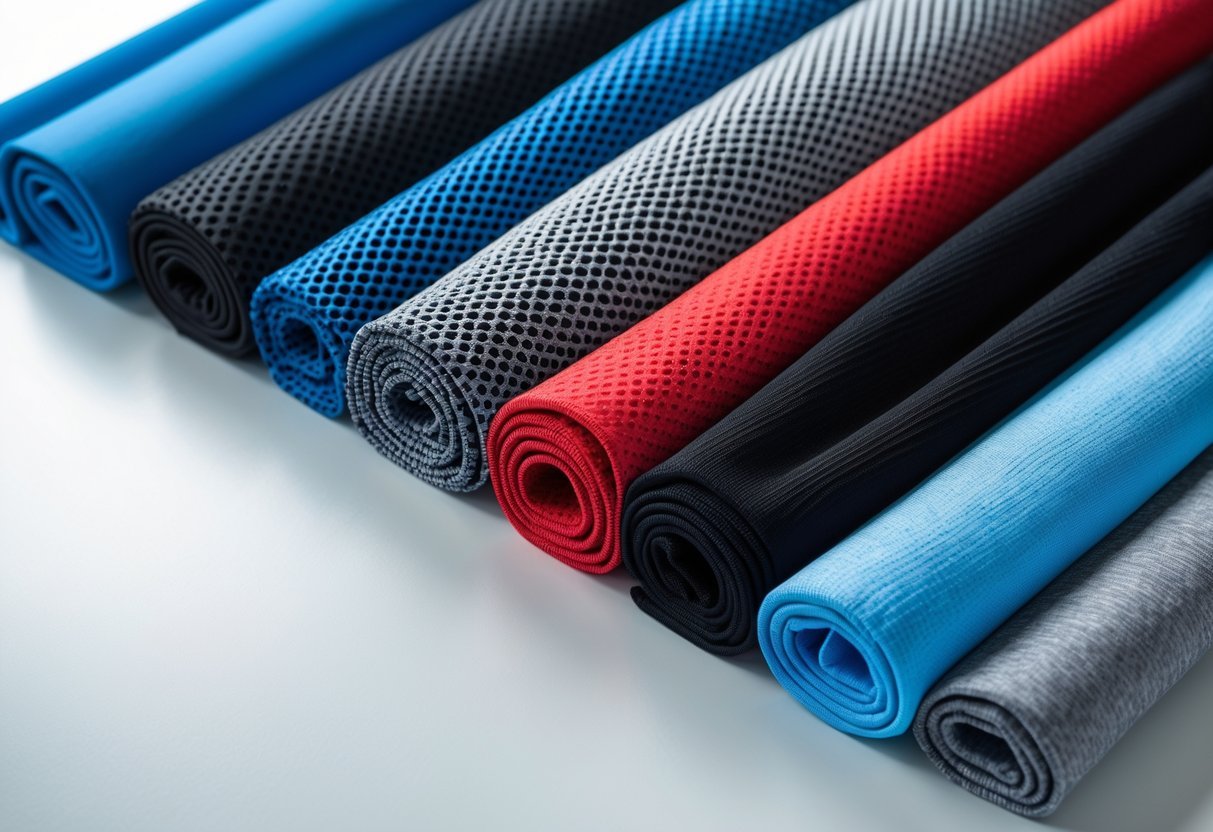
Sports fabrics require specific care to keep their shape, stretch, and color intact. Proper washing removes sweat and dirt without damaging the fibers. Maintaining the fabric’s performance over time depends on handling, washing, and storage.
Proper Washing Techniques
Sports fabrics like polyester, nylon, and spandex need gentle washing to avoid damage. Always check the care label for instructions. In most cases, washing in cold water with a mild detergent is best. Avoid fabric softeners because they can break down stretch fibers and reduce breathability.
Turn garments inside out before washing to protect the surface. Use a gentle cycle and wash similar fabrics together to prevent friction damage. For delicate materials like cashmere-blend or satin-finish activewear, hand washing is preferable. Avoid high heat drying; air dry or use a low heat setting to prevent shrinking and fiber breakdown.
Long-Term Fabric Performance
Storing sportswear properly extends its life and keeps it functional. Hang bulky jackets and softshells to maintain shape. Fold stretch fabrics carefully to avoid wrinkles and stress on fibers.
Avoid prolonged exposure to sunlight, as UV rays can fade colors and weaken fabrics. After workouts, wash sports clothing promptly to remove sweat and oils that can degrade the material. Regular care preserves elasticity and prevents pilling, keeping the fabric smooth and comfortable during activity.
Frequently Asked Questions
Sports fabrics vary in materials, breathability, durability, texture, and specific uses depending on the type of apparel. Understanding these elements helps in choosing the right fabric for different sports and activities.
What materials are commonly used in the manufacturing of gym wear?
Polyester and nylon are the most common materials used in gym wear because they wick moisture and dry quickly. Spandex is often added to provide stretch and flexibility. Cotton blends appear sometimes but are less popular because they absorb sweat rather than wick it away.
Which fabric offers the best breathability for sportswear?
Fabrics made from polyester with mesh weaves provide excellent breathability. Natural fibers like wool also have good breathability and help with temperature control, though they are less common in gym wear. Polyester blends that combine breathability and moisture management are preferred.
What is the most durable type of fabric for sports pants?
Nylon is known for its strength and durability, making it a top choice for sports pants. Polyester also offers good durability with added resistance to stretching and shrinking. Both fabrics withstand frequent washing and rough use.
How does spandex enhance the performance of sports apparel?
Spandex adds stretch and allows clothing to move with the body, improving comfort and range of motion. It helps garments maintain shape after stretching and reduces restriction during activities. This flexibility is important for sports that require agility and quick movements.
Can you explain the different textures available in sports-related fabrics?
Sports fabrics come in smooth, brushed, and mesh textures. Smooth textures, common in polyester and nylon, reduce friction on the skin. Brushed fabrics provide softness and warmth. Mesh textures increase airflow and ventilation, preventing overheating during high-intensity exercise.
What are the characteristics of fabric typically used for sports jerseys?
Jersey fabrics are usually polyester or polyester blends. They are lightweight, moisture-wicking, and breathable. The fabric often has a mesh-like texture to keep athletes cool and dry. Durability is important to handle the physical demands of sports.