
Dressing pets in stylish clothes has become more popular than ever, with designs now focusing on both comfort and fashion. Pet owners want outfits that not only look good but also suit different seasons and activities. From lightweight summer tops to cozy winter sweaters, pet clothes patterns help create the perfect outfits for every occasion.
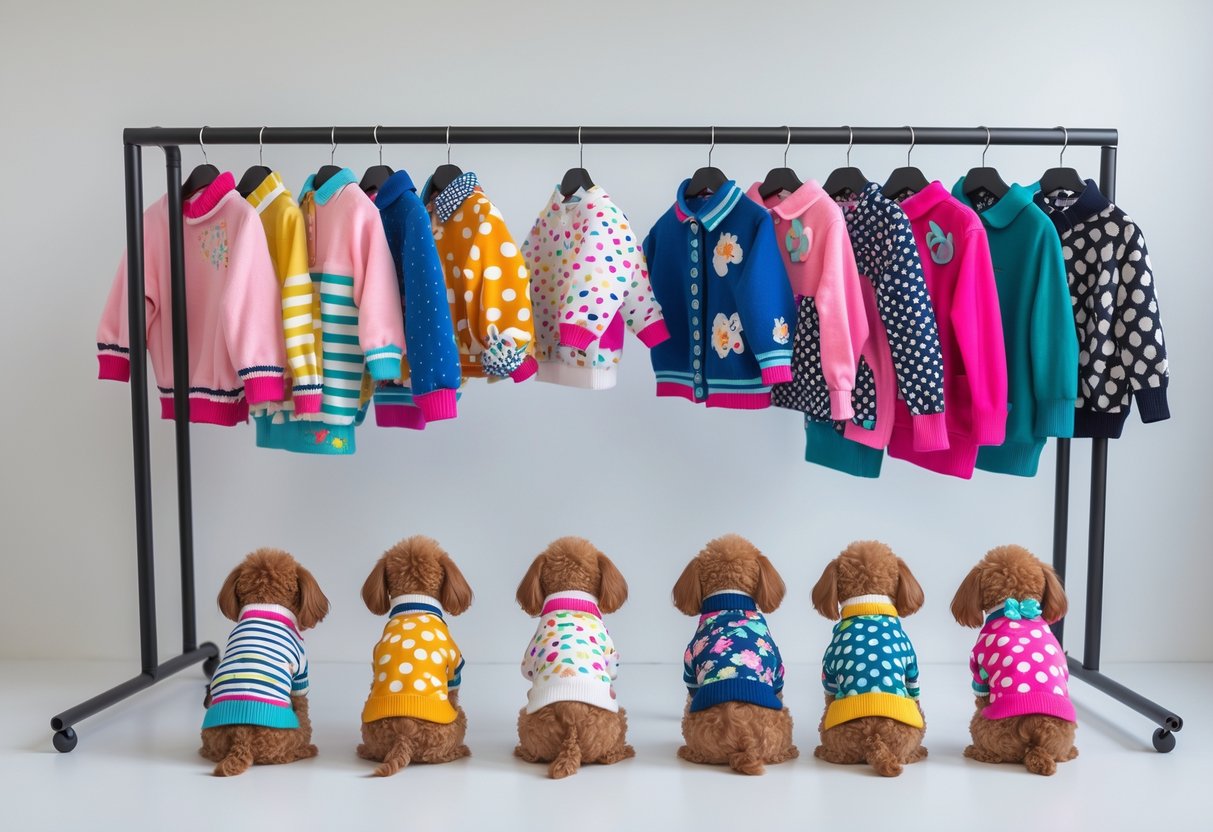
These patterns offer a mix of trendy styles and practical features, making it easy to design clothing that fits well and keeps pets comfortable all year round. Designers can customize fabrics, colors, and prints to reflect current trends while ensuring the clothing serves functional needs like warmth, breathability, and weather protection.
As pet fashion grows, many brands and makers find new ways to bring innovation and creativity to pet apparel. A solid understanding of pet clothes patterns lets them stay ahead and deliver outfits that appeal to pet lovers looking for something both unique and practical.
Table of Contents
The Rise of Pet Fashion Trends
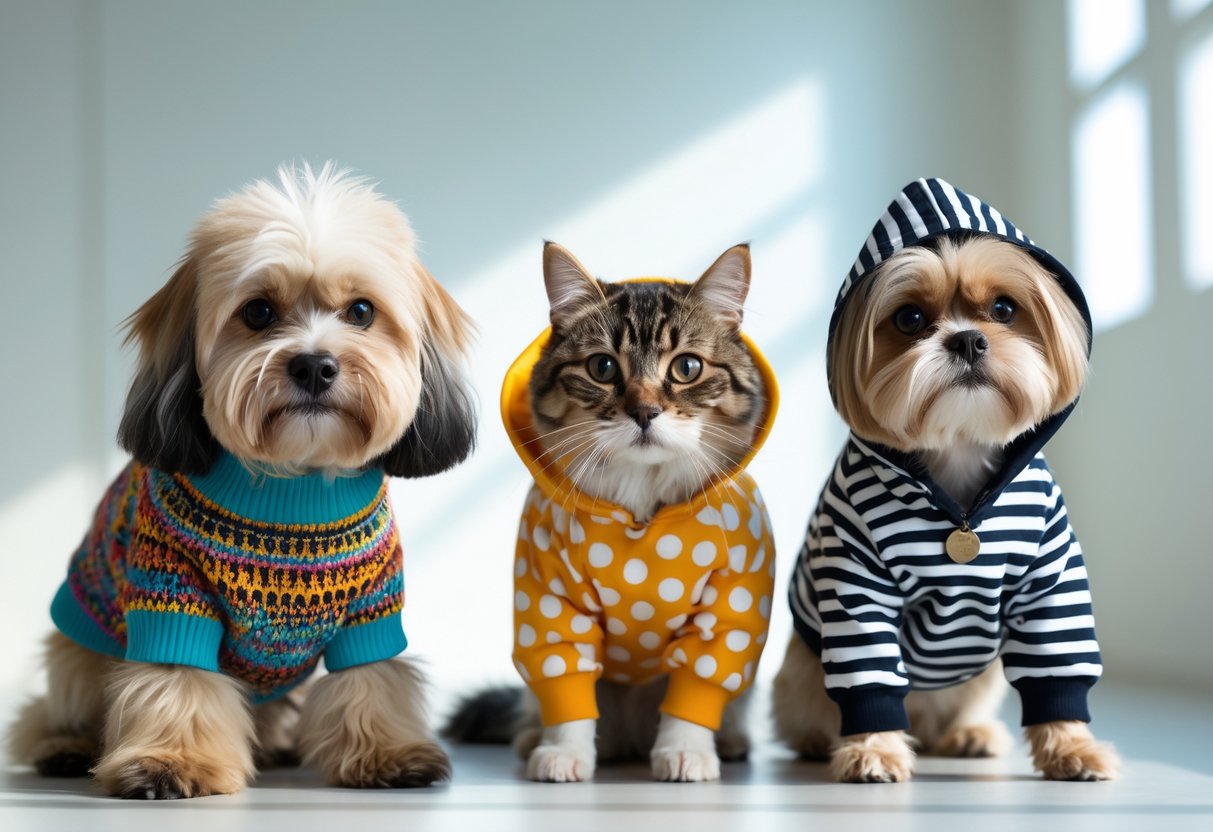
Pet fashion has grown rapidly, driven by clear changes in how pets are viewed and cared for. Owners seek clothing that blends style, comfort, and purpose. This growth reflects shifts in ownership, lifestyle, and media presence.
Drivers of Pet Fashion Popularity
The pet apparel market has expanded due to more households owning pets and treating them like family members. In 2025, about 94 million U.S. households have pets, increasing demand for various clothing options.
Comfortable, functional designs are now essential. Seasonal clothing such as winter sweaters, summer breathable shirts, and raincoats are popular. Sustainability is also a key factor, with eco-friendly materials in demand. Brands that offer customizable products to fit size, style, and occasion see greater success. The growing market value makes pet fashion a strong business opportunity, appealing to pet owners who want practical yet trendy options.
Impact of Pet Humanization on Clothing
Pets are increasingly seen as family, which raises expectations for their treatment and appearance. Owners buy clothes not just for warmth, but as a form of self-expression and bonding. This shift has fueled the pet apparel market with diverse designs, from everyday wear to special event outfits.
Clothing styles often mirror human fashion but adapt to pet comfort and safety. Personalized clothes with pet names or matching sets for owners and pets are common. This humanization encourages pet owners to invest in quality fabrics and fashionable designs that highlight their pet’s personality while ensuring comfort.
Social Media and Pet Influencers
Social media platforms play a significant role in popularizing pet fashion trends. Pets with large followings on Instagram, TikTok, and YouTube showcase new styles and seasonal clothes, influencing consumer preferences.
Pet influencers often wear themed outfits for holidays, seasons, and events, encouraging owners to buy similar apparel. This visibility drives demand for unique, customizable items. Social media also helps brands market directly to fashion-conscious pet owners, accelerating the growth of the pet apparel market through online sales and brand engagement.
Understanding Pet Clothes Patterns
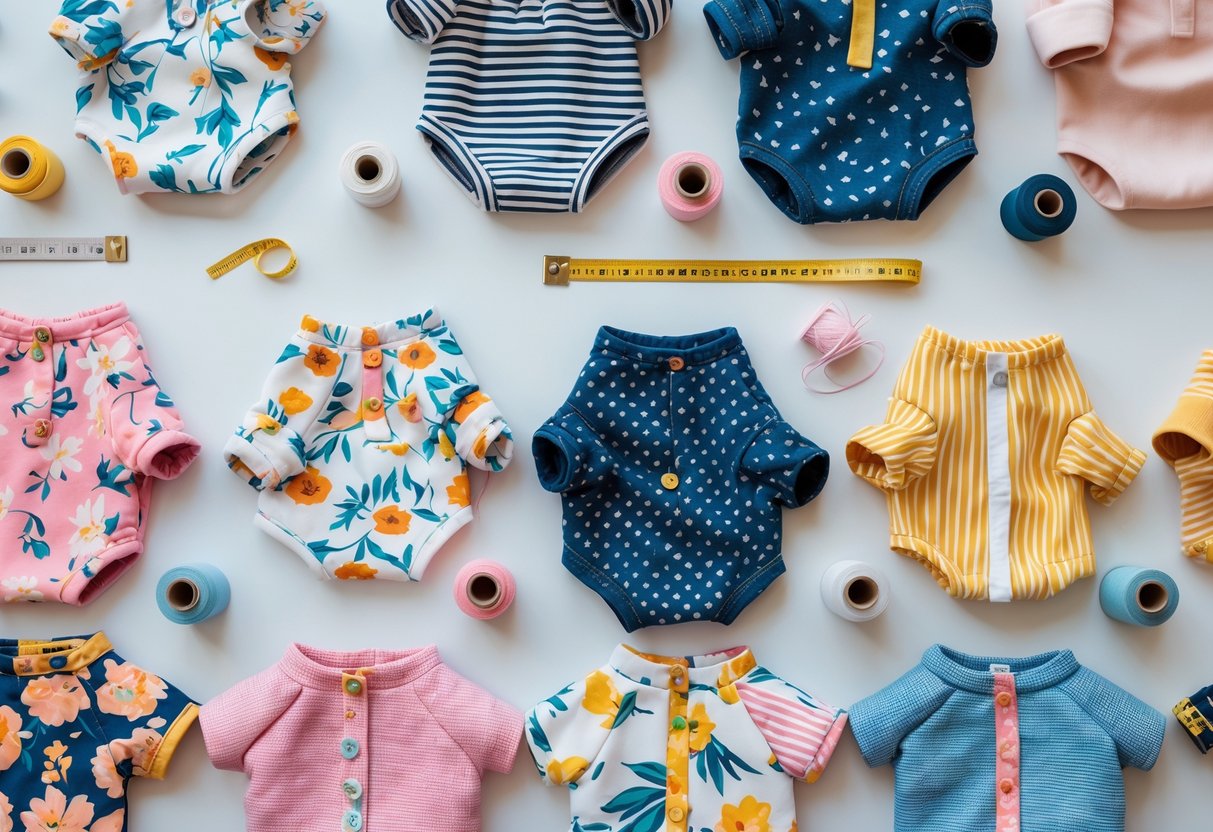
Pet clothes patterns provide the guide needed to create comfortable, stylish, and well-fitting outfits for pets of all sizes. They vary by type, allow for adjustments that improve fit, and can be reused in many ways to save time and resources.
Types of Pet Clothing Patterns
Pet clothing patterns come in many styles, each suited to different needs. Common types include hoodies, sweaters, dresses, raincoats, and bandanas. Hoodies offer casual wear that is warm and easy to fit. Sweaters focus on warmth and are often knitted, sometimes with holiday themes. Dresses prioritize style and comfort, mostly for small pets during special events. Raincoats use waterproof materials and simple closures like Velcro. Bandanas and accessories are lightweight, easy to produce, and great for adding flair.
Patterns are also designed for pets of various sizes, from tiny rabbits to large dogs. Each type balances function and style depending on the pet’s needs and the season.
Customization and Fit
Customization is key when using pet clothes sewing patterns. Pets differ widely in size and shape, so patterns must be adaptable. Adjustable patterns let the maker change dimensions to fit a pet’s neck, chest, and body length. This improves comfort and appearance.
Custom features like embroidered names or unique trims highlight personality. Proper fit avoids restricting movement, which is crucial for both comfort and safety. Patterns often include guidelines to modify designs to specific breeds or individual pets, ensuring a better overall fit.
Pattern Scalability and Reusability
Pet clothing patterns are often reusable, which reduces cost and waste. Once a basic pattern is made or purchased, it can be adapted for different styles or sizes without starting over.
Scalability matters for businesses or hobbyists who produce multiple items. A good pattern can move from small-scale crafts to bulk production with minor adjustments. Digital patterns further ease sharing and storage, keeping designs consistent and efficient to reproduce. Reusable patterns enable quick responses to trends and seasonal changes.
Designing Stylish and Functional Outfits
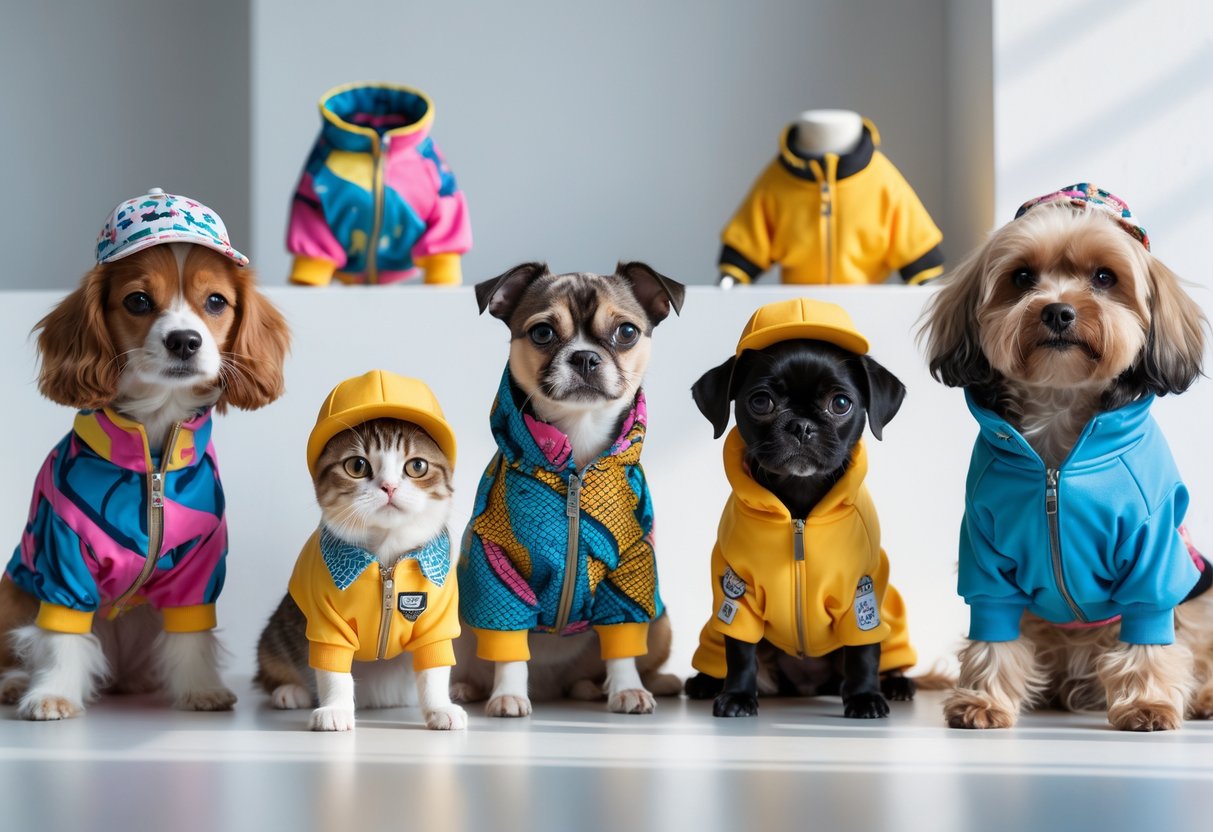
Creating pet clothing requires a balance between style and practicality. Selecting the right materials, ensuring the pet’s comfort and safety, and adding useful design features all contribute to outfits that look good and work well. Thoughtful choices help pets move freely while keeping them protected.
Selecting Pet-Friendly Fabrics
Choosing the proper fabric is essential for pet apparel designs. Fabrics should be soft, breathable, and durable to keep pets comfortable. Common materials include cotton and polyester blends for daily wear, which are easy to clean and gentle on the skin.
For colder weather, fleece and wool provide warmth without bulk. Waterproof fabrics like nylon are ideal for raincoats and outdoor wear, offering protection from moisture while remaining lightweight.
Sustainability matters too. Organic cotton and recycled fibers appeal to eco-conscious pet owners and reduce environmental impact. Stretchy, machine-washable fabrics that resist stains and scratches improve the garment’s lifespan and usability.
Ensuring Comfort and Safety
Comfort is a top priority in pet clothing. Outfits must allow full freedom of movement, especially around the neck, chest, and legs. Patterns should avoid tight bands or restrictive seams that can irritate or harm pets.
Safety involves eliminating choking hazards like loose buttons or zippers. Smooth stitches and soft linings prevent skin irritation. Breathable fabrics help avoid overheating, especially in hot climates.
Pet-friendly designs also consider easy dressing. Adjustable straps, Velcro closures, or pull-over styles make putting on and removing clothes simple and stress-free for both pets and owners.
Incorporating Functional Design Elements
Functional elements enhance the practicality of pet clothes without sacrificing style. Reflective strips are useful for visibility during nighttime walks.
Closures like Velcro or snaps save time and ensure a secure fit. Designs with adjustable features accommodate different breeds and sizes, supporting a better fit for many pets.
Seasonal details like waterproof layers or insulated lining adapt clothes for weather changes. Accessories such as bandanas or removable hoods add flair while serving practical purposes, like sun protection or temperature control.
Seasonal and Trendy Pet Clothes Patterns
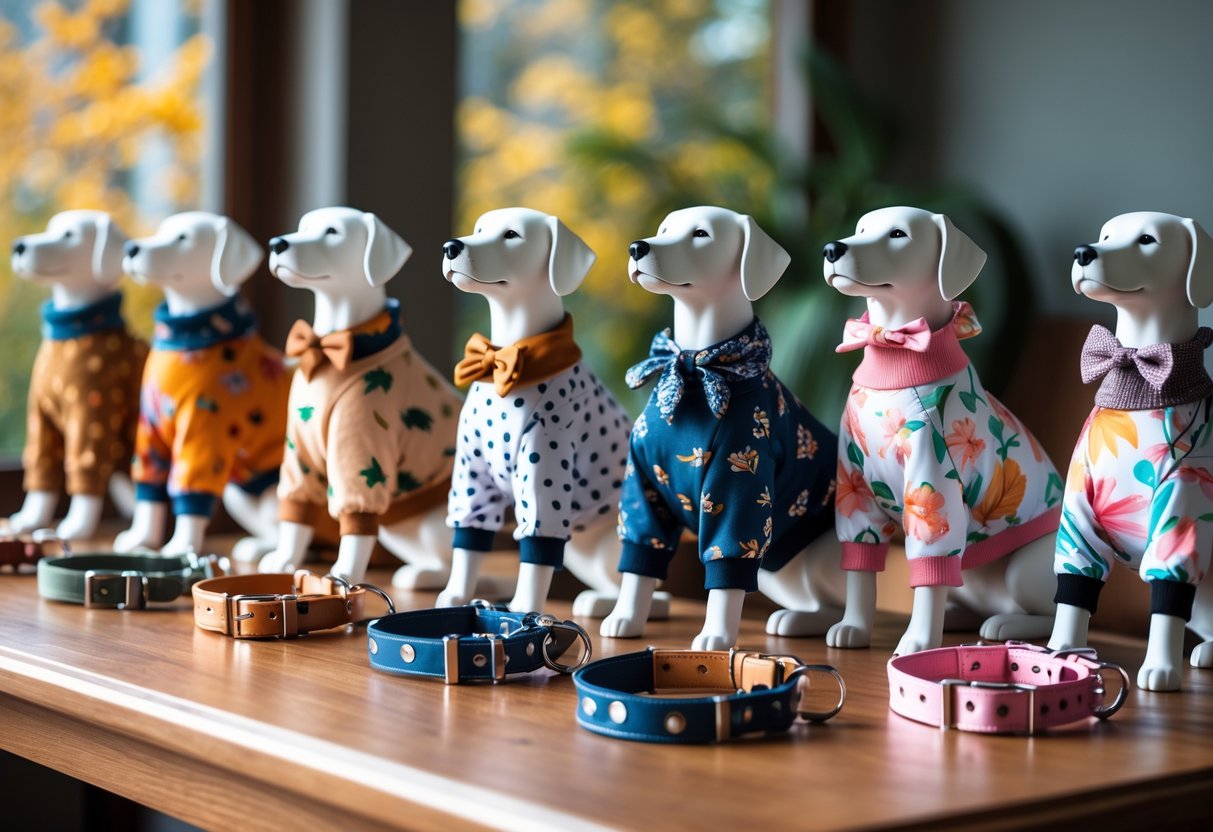
Pet clothes patterns today are designed to balance style with function across different weather conditions. Each pattern type offers unique features tailored to seasonal needs, ensuring pets stay comfortable and fashionable year-round.
Seasonal Sweater Patterns
Seasonal sweater patterns focus on warmth without limiting a pet’s movement. These patterns typically use stretchy, knitted fabrics like wool or fleece to provide insulation during cold months. They often allow customization with holiday themes such as Christmas or Halloween, using colors and motifs that boost seasonal appeal.
These sweaters are designed with ease of wear in mind, often incorporating soft neck and chest areas to prevent irritation. Patterns may include adjustable features for better fit across different breeds. They are a practical choice for pet owners who want cozy options that keep pets warm while still looking attractive and festive during winter.
Functional Raincoat Patterns
Raincoat patterns prioritize protection and ease of use. They use waterproof materials like nylon or synthetic blends to fully cover pets during wet weather. Closures such as Velcro or snaps make these raincoats simple to put on and take off.
Designs often include adjustable straps and reflective strips for safety during low light. Full body coverage ensures pets stay dry while allowing natural movement. These patterns are essential for pet clothes collections aimed at outdoor use in rainy seasons, blending practicality with style.
Year-Round Versatility
Some pet clothes patterns are created for flexible, year-round use. These often use lightweight, breathable fabrics suitable for layering or standalone wear. Patterns in this category balance comfort and durability, offering features like stretch panels and easy fastenings.
Year-round designs may include hoodies or light vests that work for both cool and warm days. Adjustable sizing in these patterns helps fit a range of breeds. This versatility appeals to pet owners needing reliable, stylish clothing without seasonal restrictions.
Creative Techniques for Unique Pet Apparel
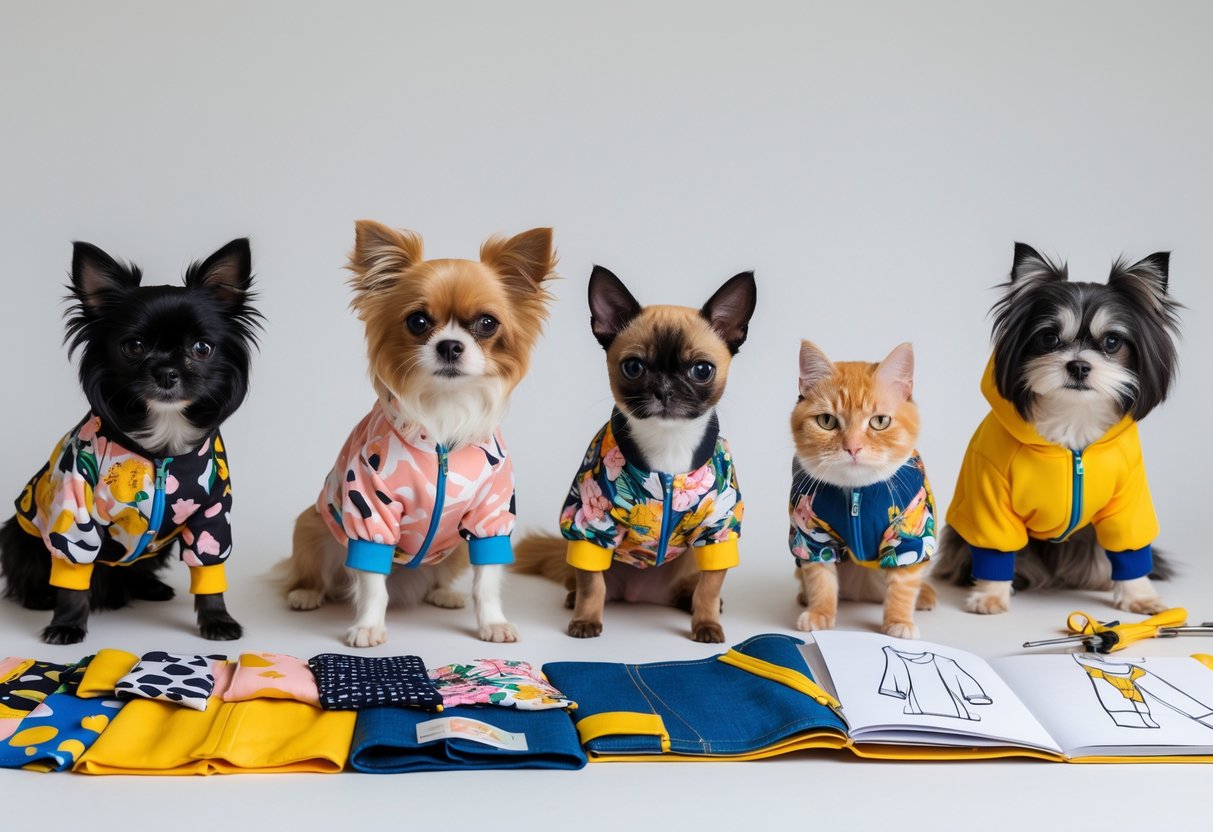
Creating pet clothes that stand out requires skill and attention to detail. Using different materials and adding personal touches can transform basic designs into unique styles that fit pets perfectly. Focus on crafting techniques and thoughtful decorations to make pet apparel truly special.
Crochet Pet Clothing Patterns
Crochet offers a flexible way to create pet outfits with a personal touch. These patterns allow makers to design warm, cozy clothes in various sizes. They can include sweaters, hats, or even blankets.
Using soft yarns like cotton, wool, or acrylic ensures comfort and ease of cleaning. Crochet patterns often feature open stitches for breathability and tighter weaves for extra warmth.
Designers can add texture with cables or ribbing, which also improve the fit. Crochet allows easy customization of colors and shapes, making it ideal for one-of-a-kind pet apparel designs. It suits small dogs and cats well, especially for fall and winter wear.
DIY and Custom Embellishments
Adding embellishments is an effective way to personalize pet clothes. Simple decorations such as patches, embroidery, or appliques can reflect the pet’s name, favorite colors, or moods.
Using fabric paints or iron-on decals provides quick customization without heavy sewing. Embroidery can add durable and elegant details like paw prints or unique motifs, enhancing the outfit’s style.
Accessories like bows, buttons, and small ruffles also boost the visual appeal. For added function, reflective strips or adjustable straps improve safety and fit.
DIY embellishments let pet owners and makers easily update or refresh pet apparel, making each piece unique and well-suited to the pet’s personality.
Opportunities and Growth in the Pet Apparel Market
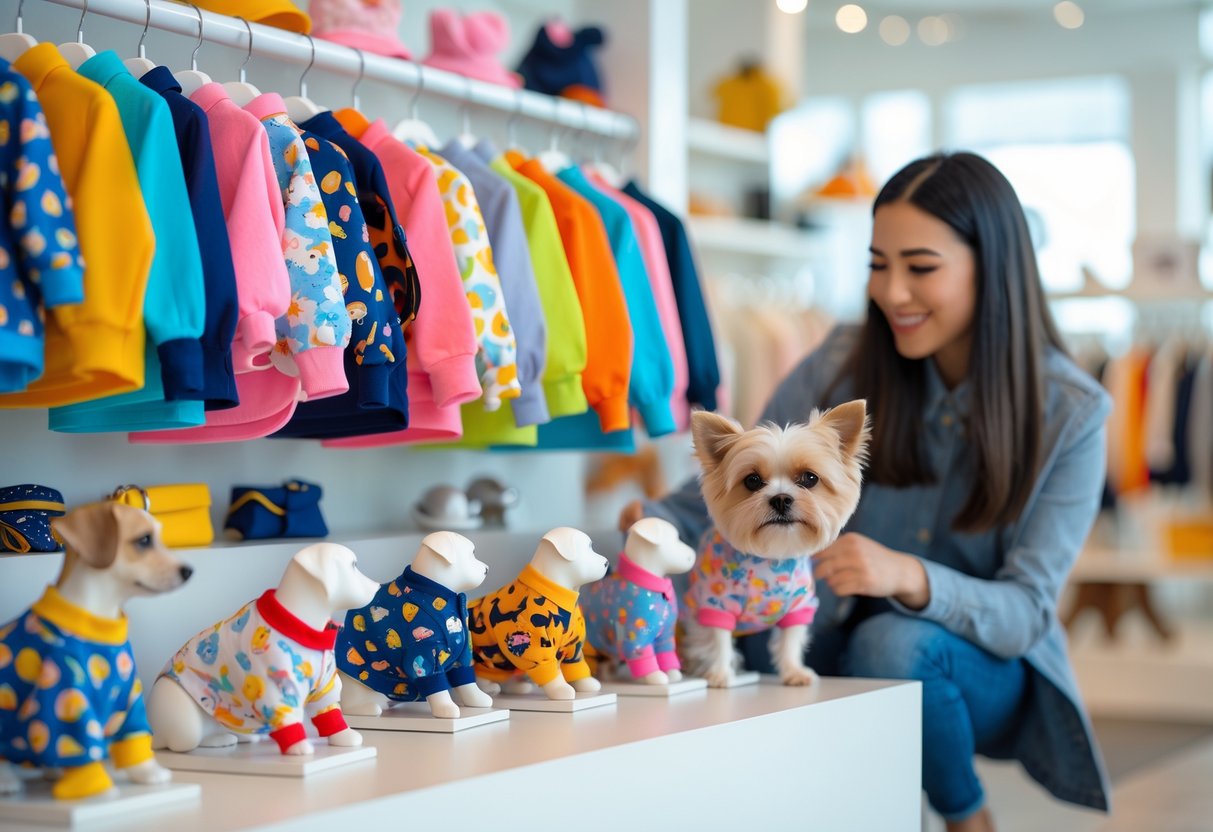
The pet apparel market is expanding with new chances for creative designers and brands. This growth stems from changing consumer habits, rising demand for sustainable materials, and the popularity of matching outfits for pets and owners.
Business Opportunities for Designers
Designers can tap into the growing need for stylish, comfortable pet outfits. There is a strong preference for sustainable fabrics like cotton and hemp, which align with eco-friendly consumer values. Creating versatile designs that suit different weather conditions, such as raincoats and sweaters, meets practical needs while staying fashionable.
Luxury pet clothing is also a key area, especially in regions like North America and Europe. Collaborations with well-known brands or influencers can boost visibility and brand value. Additionally, the rise of subscription boxes for pet apparel offers steady demand for new and seasonal designs, creating recurring revenue potential.
Market Trends and Consumer Preferences
Current pet fashion trends emphasize matching colors and patterns between pets and their owners. Bright colors and graphic prints are increasingly popular, supported by social media sharing and pet influencer culture.
Sustainability is driving the demand for eco-friendly pet clothing made from recycled or plant-based materials. Owners want clothes that keep their pets comfortable during activities without restricting movement.
The dog segment dominates spending on pet apparel, but the cat clothing market is growing, fueled by social media campaigns. Seasonal and festival outfits, like Hanfu-style cat wear and festive dog costumes, also contribute to market expansion globally.
Frequently Asked Questions
Many pet owners and designers want to know where to find Trendy Pet Clothes Patterns, how to get the right fit, and which designers lead pet fashion. Others ask about starting a clothing line, finding patterns for big dogs, and making sure designs balance style and comfort.
What are the best free sewing patterns available for dog clothes?
There are several websites and communities offering free sewing patterns for dog clothes. These include basics like hoodies, sweaters, and raincoats. Patterns from popular crafting sites often come with clear instructions and size guides to help beginners.
How can you tailor a pet outfit to ensure a proper fit?
Measurements of the pet’s neck, chest, and length are essential before cutting fabric. Adjusting patterns to match these exact dimensions creates a better fit. Using stretchy materials and adjustable fasteners like Velcro helps accommodate movement and growth.
Which designers are known for creating trendy dog apparel?
Designers who focus on pet fashion often blend style with function. Some well-known names specialize in customizable, seasonal, and sustainable pet clothing. Many have strong social media followings and release collections that include hoodies, dresses, and functional rainwear.
What are the essential steps to start your own pet clothing line?
Starting a pet clothing line requires choosing the right fabrics, creating versatile and scalable patterns, and testing designs for durability. Marketing through social media and pet boutiques helps reach customers. Offering customization and seasonal collections can increase appeal.
Are there any trendy clothing patterns available for larger dog breeds?
Yes, many patterns are adjustable for larger dogs, focusing on comfort and mobility. These designs often include roomy fits with easy fastenings. Brands and independent designers are creating collections specifically for breeds like Labradors, German Shepherds, and Great Danes.
How can you ensure the pet clothing you design is both fashionable and comfortable?
Prioritizing breathable, stretchy fabrics keeps pets comfortable. Designs should avoid tight areas and use soft seams. Functional elements like easy closures make dressing simpler, while trendy details like patterns or colors keep the clothing stylish. Testing prototypes helps improve both fit and look.