Starting a denim line takes more than just a love for jeans—it requires clear planning and smart choices. The denim market is competitive and global, with brands of all sizes vying for attention. To make a mark in this industry, a strong business plan, unique designs, and reliable suppliers are essential. Understanding the market and identifying what sets your brand apart can open the door to success.
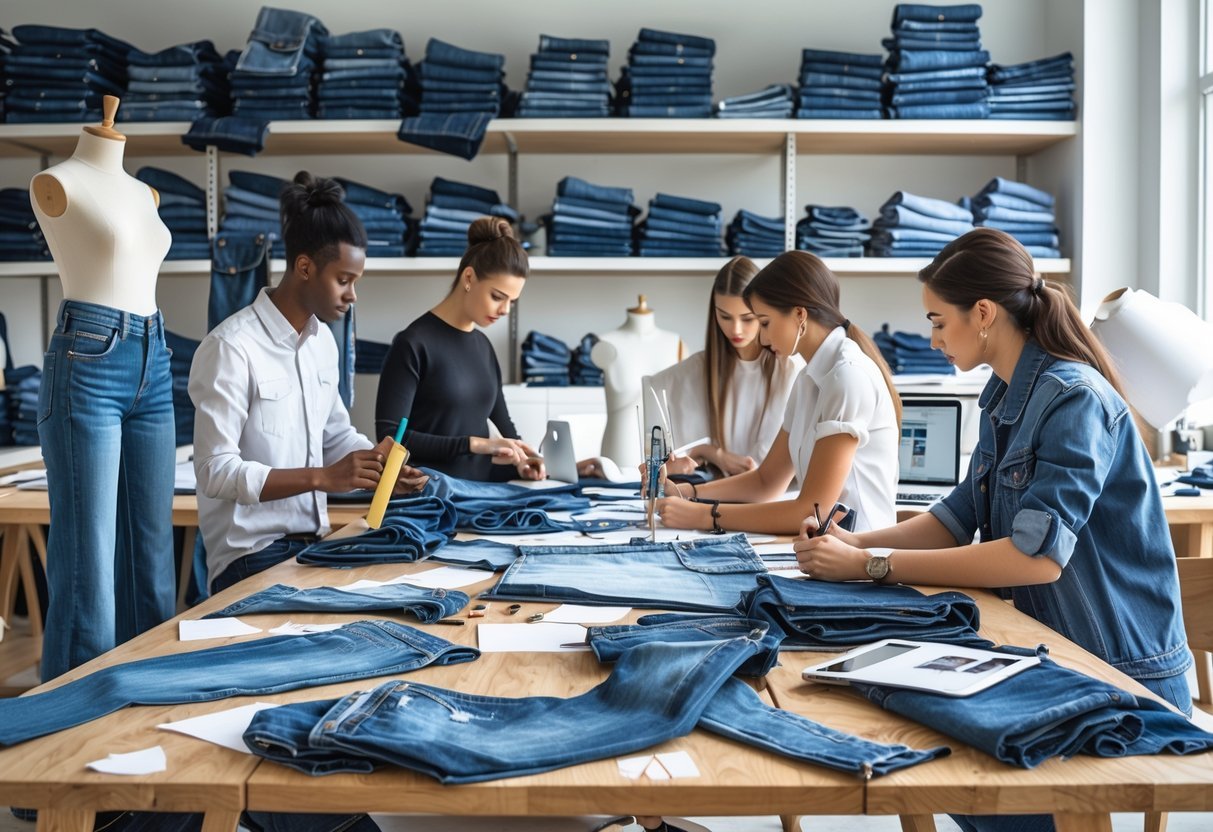
Creating a denim brand involves designing your collection, finding quality materials, and reaching the right customers. Branding and marketing play key roles in gaining recognition. With careful research and consistent effort, anyone can grow a denim line from a small idea to a recognized label.
Table of Contents
Key Takeways
- Planning and research help create a unique denim brand.
- Quality materials and manufacturers ensure the product meets customer expectations.
- Marketing and branding are crucial for building a loyal customer base.
Understanding the Denim Industry

The denim industry operates on a global scale with many countries involved in production and sales. Competition is strong among both famous and lesser-known jeans brands. Success requires knowledge of market trends, manufacturing processes, and how to stand out in a crowded field.
Global Denim Market Overview
The denim market is large and diverse, with key manufacturing hubs in countries like China, Italy, and the United States. Denim fabric remains popular due to its durability and versatility.
Growth in the industry is driven by innovation in fabric treatments, sustainable materials, and new fashion trends. Consumers demand different fits, colors, and finishes, pushing brands to constantly adapt.
Online retail and social media also influence the market, allowing smaller brands to reach customers directly. The market is expected to keep growing, especially with a focus on eco-friendly manufacturing.
Key Players and Competition
Competition in the denim business includes big global brands and smaller, emerging labels. Well-known names often dominate with strong marketing and wide distribution networks.
However, smaller brands can find success by targeting niche markets or using unique styles. Many manufacturers supply denim globally, increasing competition in both quality and price.
To succeed, brands need a clear identity, consistent quality, and a strong marketing plan. Building relationships with reliable manufacturers is also crucial for timely production and delivery.
Defining Your Denim Line Vision
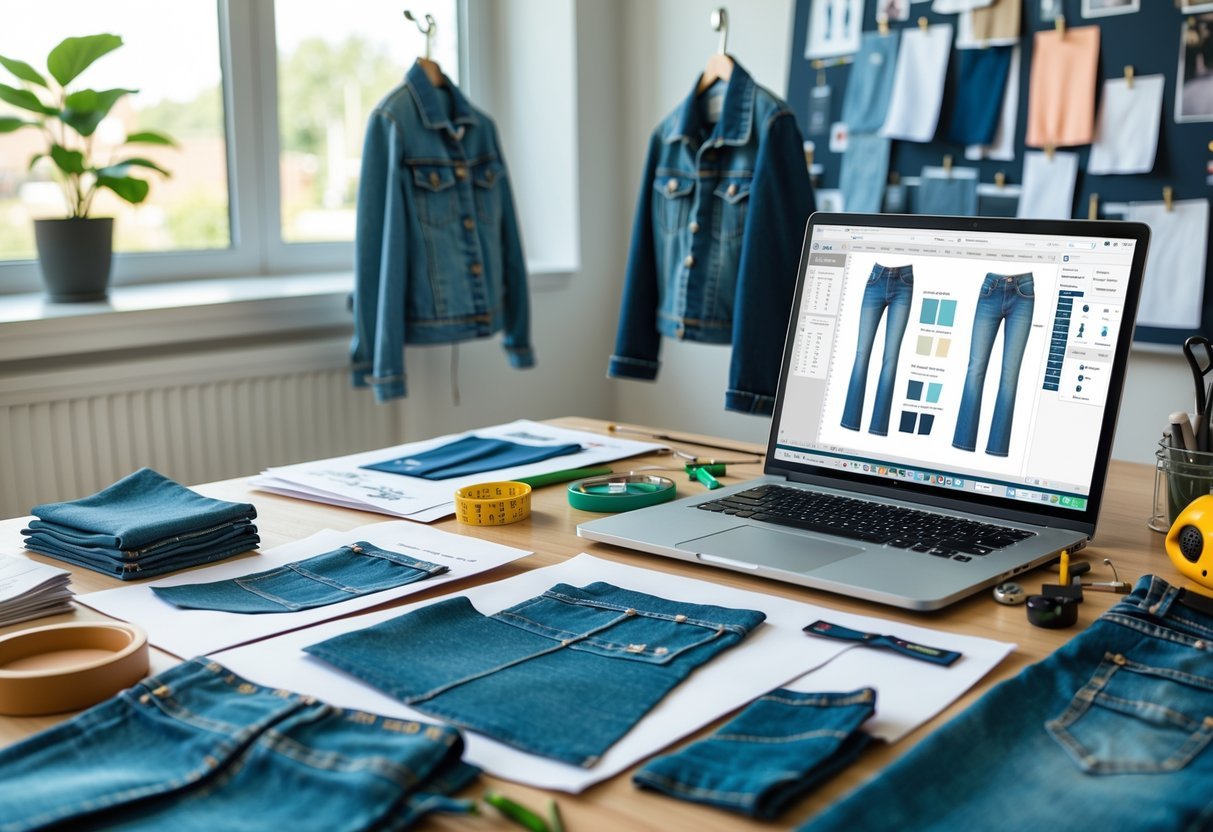
A clear vision guides every decision in building a denim line. It shapes design choices, marketing, and how the brand connects with customers. Defining who the denim line serves and what makes it unique lays the foundation for success.
Identifying Target Market
Knowing the target market means understanding who will buy the jeans brand. This includes age, gender, lifestyle, and shopping habits. For instance, a denim line could focus on young adults seeking trendy fits or working professionals wanting durable, classic styles.
Identifying customer problems and preferences is key. Does the market want sustainable denim, affordable jeans, or customizable designs? Gathering this information through surveys, social media, or fashion trend reports helps tailor products.
The target market also affects pricing and marketing channels. Social media ads might work for a younger crowd, while partnerships with specialty stores might suit a premium brand. Clear focus on the audience streamlines product development and promotion.
Establishing Your Niche for Start A Denim Line
A niche sets a denim line apart from countless other jeans brands. It could be based on fabric quality, style, ethical production, or a mix of these. For example, a niche could be eco-friendly denim made with organic cotton, or jeans designed specifically for athletic builds.
Defining a niche helps target specific customers who feel the brand meets their unique needs. It reduces direct competition and builds loyalty.
Some common denim line niches include:
- Vintage-inspired denim with classic washes
- High-performance jeans with stretch and durability
- Custom fittings catering to various body types
Offering a unique selling point within the niche encourages customer recognition and trust. The niche also guides creative design and marketing efforts to match the brand’s identity.
Crafting a Strategic Business Plan

Creating a solid plan sets the foundation for a successful denim business startup. It involves understanding the target market, estimating costs and revenues, and choosing the right business structure. This careful preparation directs every next step and safeguards long-term growth.
Market Research and Analysis for Start A Denim Line
Market research involves studying existing denim brands, customer preferences, and price points. This helps identify gaps in the market and define who the ideal customer is.
Key factors include demographics, fashion trends, and competitor pricing strategies. For example, deciding whether to focus on sustainable denim or budget-friendly jeans shapes product design and marketing.
Data from surveys, social media, and sales reports gives insights. This research guides decisions about product types like slim fit or relaxed jeans and distribution channels such as online stores or boutiques.
Financial Planning and Cost Analysis
Financial planning requires a clear budget covering manufacturing, marketing, and branding costs. Estimating expenses early helps avoid cash flow problems.
A break-even analysis shows when the business will start making a profit. Funding options like small business loans, investors, or bootstrapping should be considered.
Costs include fabric sourcing, production runs, packaging, and website development. Pricing must balance affordability with covering these costs and achieving profit margins.
Careful budgeting includes contingency for unexpected costs, ensuring the brand can sustain early growth.
Business Structure and Registration
Choosing the right business structure affects taxes, liability, and growth potential. Many denim startups opt for a limited liability company (LLC) to protect personal assets while simplifying taxes.
The business must be officially registered with local and state authorities. This step allows applying for necessary licenses and protects brand identity through trademarking.
Ensuring compliance with clothing label laws and quality standards avoids legal issues. Registering intellectual property rights secures the logo and brand name against infringement.
The structure and registration allow easier access to funding and build customer trust.
Designing and Developing Your Denim Collection

Designing a denim collection requires clear decisions on the brand’s identity and the selection of materials. Careful planning at this stage shapes the style, quality, and market appeal of the products.
Concept and Brand Identity for Start A Denim Line
Building a strong concept helps the denim label stand out. This includes defining the brand’s values, target audience, and the message the collection conveys. Designers often focus on specific styles such as vintage, modern, or sustainable to attract a niche market.
A clear brand identity involves creating a logo, brand colors, and packaging that reflect the concept. It also guides decisions on the cuts, washes, and details of the jeans. Consistency in the design and marketing strengthens recognition and loyalty.
Fashion designers must consider how their collection fits trends while maintaining unique elements. This balance ensures the denim line appeals to customers but also keeps originality.
Selecting Denim Fabrics and Materials
Choosing the right denim fabric is critical for quality and comfort. Raw denim is popular for its strong, unwashed texture that fades uniquely over time, appealing to traditional denim consumers.
Many designers now lean toward sustainable denim options. These use eco-friendly dyes and fibers, which reduce environmental impact and attract conscious buyers.
Denim textiles vary in weight, stretch, and weave, which affect the garment’s fit and durability. Incorporating different fabrics can create diverse styles within the collection.
Reliable suppliers are essential for consistent material quality. Designers working with custom apparel production need precise communication to ensure the fabric’s specs match their vision and meet production standards.
Production and Sourcing

Starting a denim line requires careful planning around production and sourcing. Key factors include selecting the right manufacturers, developing reliable samples, and managing production costs effectively. Attention to detail during these stages impacts the final product’s quality and the business’s ability to scale.
Finding Manufacturers and Partners
Choosing the right denim manufacturer or clothing manufacturer is critical. A good denim manufacturing company should offer clear communication, reliable delivery timelines, and quality dyeing services. Brands must check if the factory handles yarn spinning, dyeing, weaving, and finishing in-house or outsources parts of the process.
They should also verify the manufacturer’s experience with denim specifically, not just general apparel. Visiting factories or requesting video walkthroughs helps assess the production environment. Establishing solid partnerships with trusted denim manufacturers can reduce risks of defects and shipment delays.
Sample Development and Quality Control
Sample development is essential to finalize designs, fits, and wash treatments. Working closely with the jeans manufacturer allows brands to test fabric performance, fit accuracy, and color consistency before bulk production.
Quality control begins at the sample stage, including checks for stitching, shade, and hardware. Factories often offer multiple rounds of sample revisions. Maintaining detailed tech packs, including washing standards, ensures that future production matches the approved samples consistently.
Understanding MOQ and Production Costs
Minimum order quantity (MOQ) varies between denim manufacturers, affecting startup costs. Smaller brands should seek manufacturers offering low MOQs to avoid large upfront investments.
Production costs depend on fabric quality, complexity of washes, and hardware used. Dyeing services and finishing treatments significantly impact cost and lead time. Brands must balance quality and price while planning budgets to cover sample development, production runs, and shipping fees. Clear cost breakdowns from suppliers help avoid surprises.
Launching and Growing Your Denim Brand

Starting a denim brand means building a strong online presence, crafting focused marketing strategies, and providing reliable customer service. Each part is key to reaching new customers and keeping existing ones loyal.
E-Commerce and Online Presence for Start A Denim Line
A solid e-commerce platform is essential for selling denim products directly to customers. Platforms like Shopify, WooCommerce, or BigCommerce allow easy product listing, inventory management, and secure payment processing.
Creating a user-friendly website with clear product photos and detailed descriptions helps build trust. Optimizing the site for mobile devices is critical because many shoppers use phones.
Social media channels like Instagram and Pinterest offer opportunities to showcase designs and interact with followers. Consistent posting and engaging content, such as styling tips or behind-the-scenes looks, increase visibility.
SEO (search engine optimization) improves how the site ranks in search results, bringing more potential buyers.
Brand Awareness and Marketing Strategy
Building brand awareness means making the denim label recognizable and memorable. This starts with a clear brand identity including a strong logo and consistent style across all platforms.
Marketing strategies should target specific groups based on preferences, such as eco-conscious customers or fashion trend followers. Collaborations with influencers can expand reach.
Effective plans include email campaigns, paid ads, and special promotions to drive sales. Tracking performance through data analytics helps tweak strategies.
Telling authentic brand stories about quality and unique designs helps connect emotionally with customers and encourages repeat business.
Customer Service and Retention
Good customer service builds trust and loyalty. Offering clear communication channels, such as email, chat, or phone support, ensures buyers can get help easily.
Responding quickly to inquiries and resolving issues professionally prevents negative reviews. Transparent return and exchange policies improve customer confidence.
Collecting and acting on customer feedback shows that the brand values its buyers. Loyalty programs, discounts, or early access to new collections encourage repeat purchases.
Personalized experiences, like thank-you notes or customized recommendations, make customers feel appreciated and more likely to recommend the brand.
Expanding Your Product Offerings

A successful denim line grows by offering a range of styles that appeal to different customers. It also stays ahead by adopting sustainable practices and following industry trends. Expanding wisely can help reach a wider audience and meet evolving market demands.
Popular Denim Styles and Products
Offering various denim styles attracts diverse buyers. Classic options include skinny jeans, mom jeans, and slim fit jeans, each with a distinct fit and vibe. Baggy jeans and drainpipe jeans serve customers who prefer looser or tapered looks.
Denim skirts and jeggings add variety for those who want alternatives to traditional pants. Styles like acid-washed denim and raw denim jeans appeal to niche markets wanting vintage or untreated fabric options.
Including a mix of cuts and finishes helps a brand stand out. It allows customers to select products matching their tastes, boosting sales and loyalty in the jeans business.
Sustainability and Future Trends
Sustainability is increasingly important in denim. Brands use eco-friendly materials like organic cotton and recycled fabrics to reduce environmental impact. Water-saving processes and non-toxic dyes are also common in modern denim production.
Consumers seek transparency and ethical practices, making sustainable lines more popular. Future trends point to more innovations in biodegradable fabrics and circular fashion models.
Following these trends helps brands stay relevant. It supports long-term growth and appeals to customers who want style with a smaller footprint.
Frequently Asked Questions
Start A Denim Line with clear planning, smart pricing, and careful choice of manufacturers. Effective marketing and staying up-to-date with current trends also play critical roles in standing out.
What are the initial steps to launching a successful denim brand?
First, conduct detailed market research to understand customer demands and current gaps. Next, develop a solid business plan covering finances, target market, and brand identity.
Design unique products with quality materials. Finally, choose a memorable brand name and logo that connect with your audience.
How can new denim lines differentiate themselves in a competitive market?
New brands should focus on unique designs and creative washes. Offering sustainable or eco-friendly denim can attract growing audiences.
Creating diverse styles and fits also helps reach more customers. Building a strong brand story increases recognition and loyalty.
What are the key factors to consider when pricing products for a new denim line?
Pricing should reflect production costs, including materials, labor, and shipping. Brands must also consider target market spending power.
Competitive pricing analysis is essential. Prices must balance profitability with market expectations to avoid pricing out customers or undervaluing products.
How to locate and choose the right denim manufacturers for your brand?
Look for manufacturers specializing in denim with experience working with new brands. Quality and reliability in delivery times are priorities.
Request samples to assess fabric and craftsmanship. Clear communication and transparency about costs and timelines are important for successful partnerships.
What strategies should be implemented for effective online marketing of a denim line?
Use social media platforms like Instagram and TikTok to show your designs and build a following. Collaborate with fashion influencers for wider reach.
Maintain a professional website with e-commerce options. Regularly collect and use customer feedback to improve marketing and product offerings.
What trends currently dominate the denim industry and how can a new brand capitalize on them?
Sustainable and eco-friendly denim is in high demand. Brands offering recycled or organic materials gain consumer interest.
Vintage-inspired styles and innovative washes are popular. Incorporating these trends into designs while offering customization options can attract modern buyers.