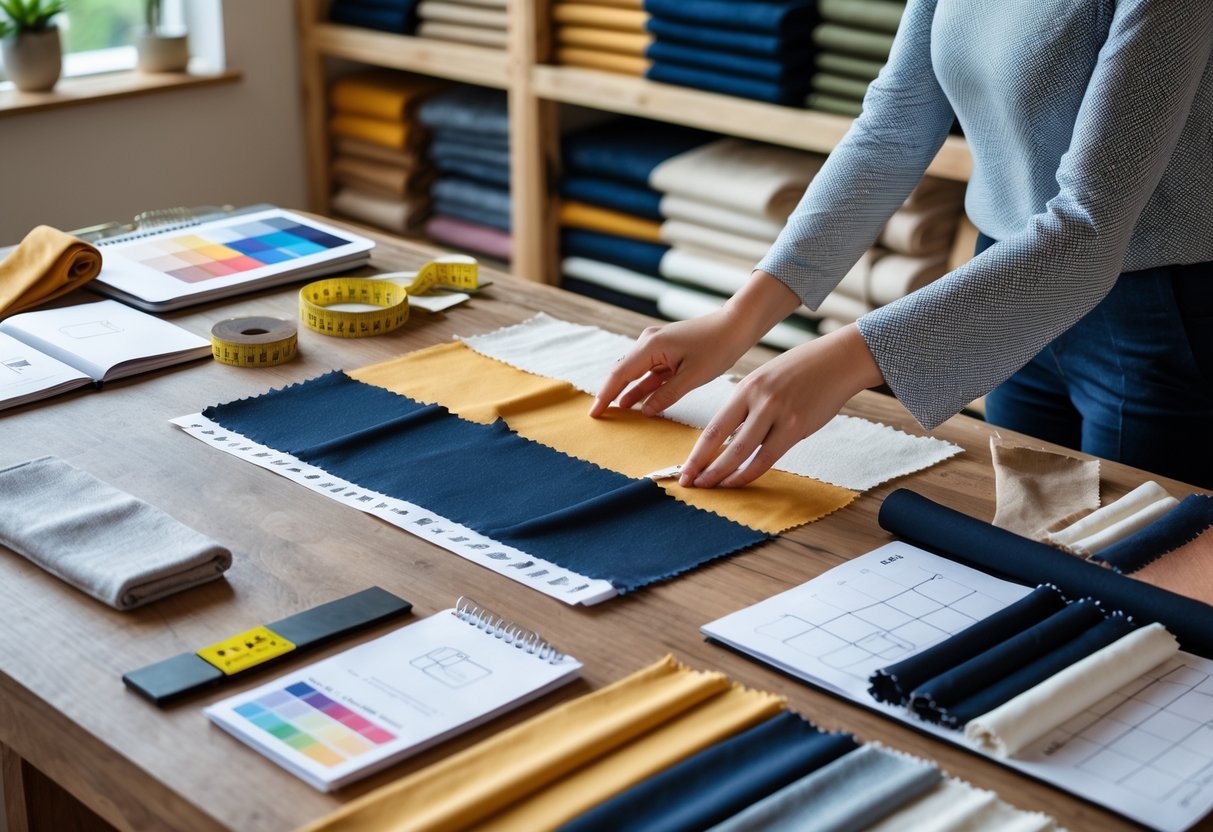
Starting a clothing line means making many important decisions, and one of the most critical is finding the right fabric. The choice of fabric affects how the clothing looks, feels, and lasts over time. Sourcing fabric well means knowing what type of fabric fits your design, finding reliable suppliers, and managing costs and delivery times carefully.
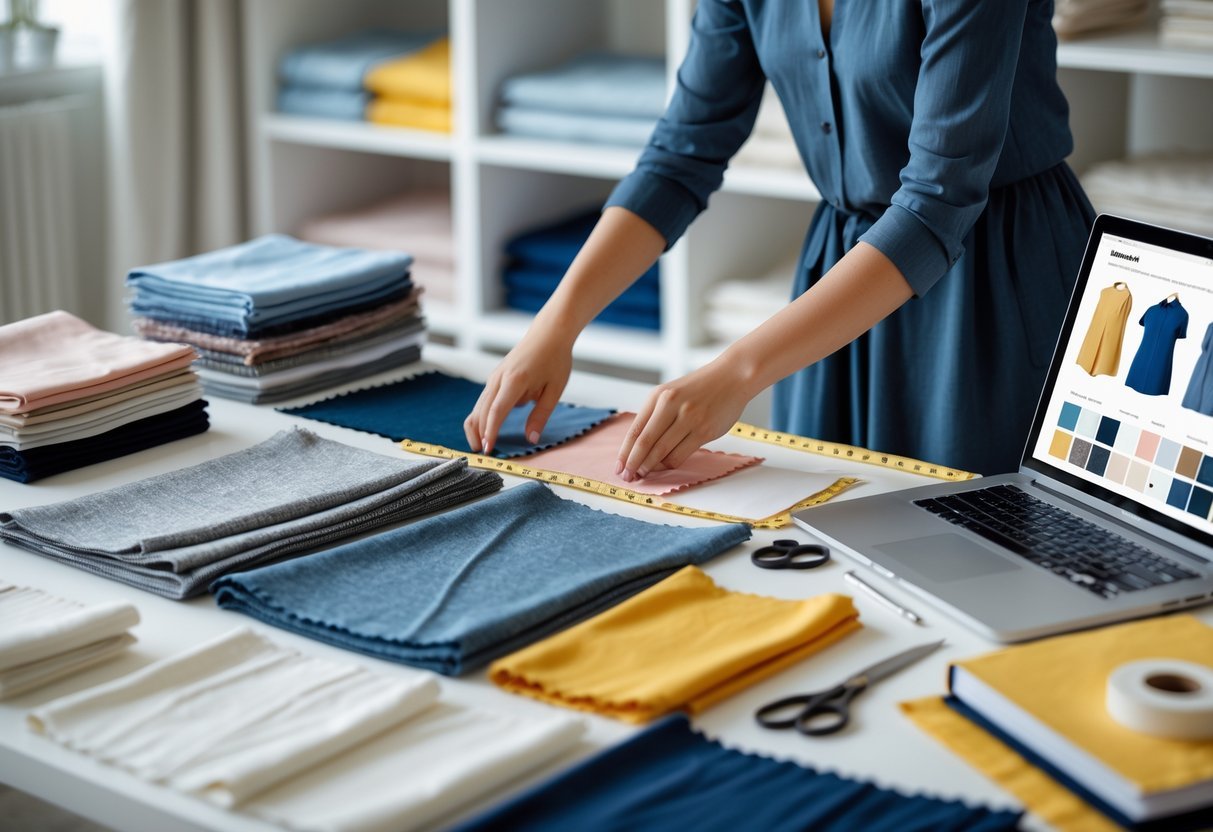
Knowing the differences in fabric types, such as knitted versus woven, helps designers choose materials that meet their quality and comfort standards. It’s also key to understand supplier types and how to navigate order sizes, prices, and delivery schedules to keep production running smoothly.
Successful fabric sourcing involves research, comparing options, and sometimes visiting trade shows or using online platforms. Building strong relationships with suppliers ensures consistent stock and quality, which is essential for any growing clothing line.
Table of Contents
Key Takeaways for How To Source Fabric
- Clear fabric choices impact product quality and customer satisfaction.
- Finding reliable suppliers and managing costs helps smooth production.
- Research and supplier connections support long-term success.
Defining Your Clothing Line’s Fabric Needs
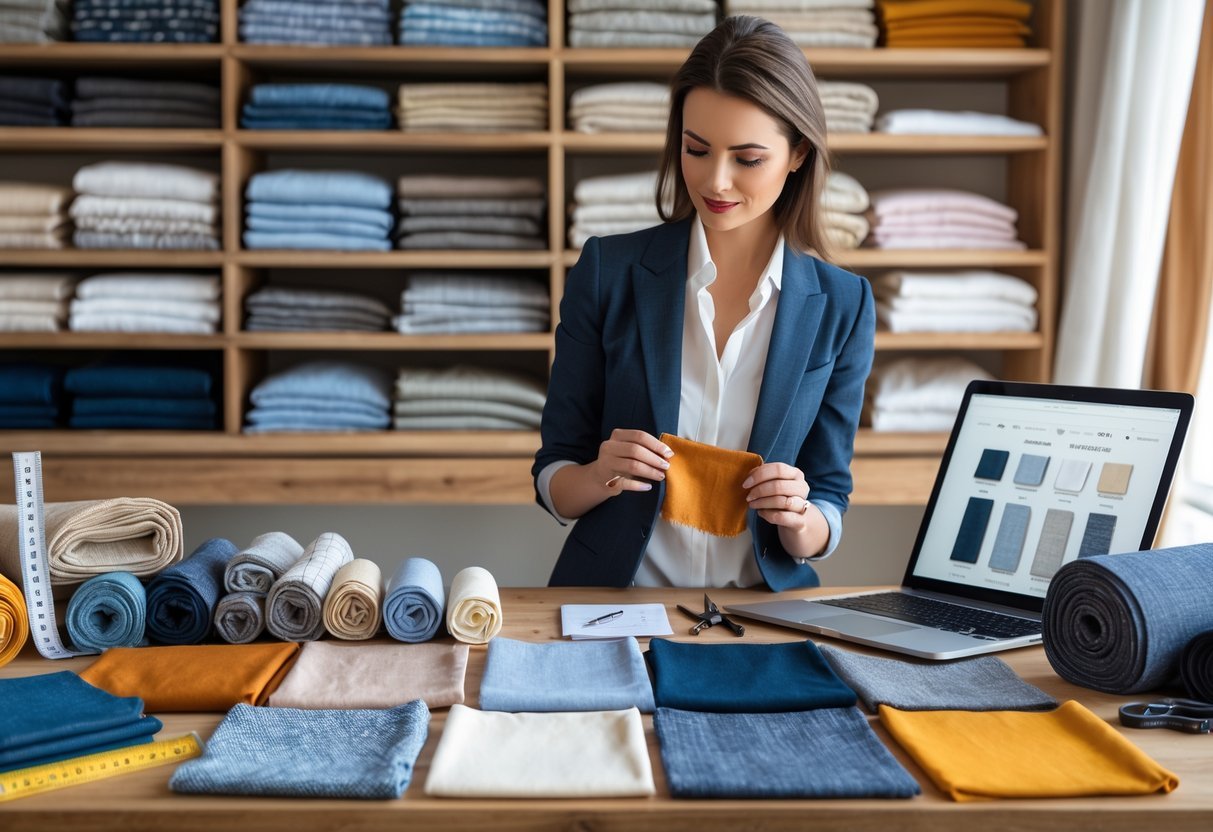
Understanding exactly what fabric qualities are needed helps a fashion designer make smart sourcing decisions. It involves knowing who will wear the clothes and how the fabric must perform under different conditions. Defining these fabric needs early saves time and money while ensuring the final products meet customer expectations.
Clarifying Target Market and End Use
The target market sets the tone for all fabric choices. Fashion designers must analyze the age, lifestyle, and preferences of their customers. For example, activewear requires stretchy, moisture-wicking fabrics, while formal wear needs structured and smooth materials.
Knowing the end use guides fabric selection further. Fabrics for casual wear should be durable and easy to care for. Children’s clothing might demand soft, hypoallergenic fabrics. A clothing company focused on sustainability will look for organic or recycled fibers.
This understanding helps a clothing line avoid fabric waste and maintain quality. It ensures the design fits the practical needs and desires of the wearer.
Setting Quality and Performance Requirements
Fashion designers establish clear quality benchmarks to maintain consistency. Quality involves factors like fabric weight, thread count, and fiber content. For instance, heavy-weight fabric suits outerwear, whereas lightweight fabrics fit summer apparel.
Performance requirements address how fabric behaves during use. This includes stretch, wrinkle resistance, shrinkage, and colorfastness. Designers often require fabric to endure regular washing without losing shape or softness.
Using a fabric spec sheet with key details like fabric construction and care instructions helps in communicating these needs to suppliers. Reliable fabric performance reduces returns and boosts customer satisfaction.
Understanding Fabric Types and Key Characteristics
Choosing the right fabric involves knowing its fiber content, structure, and how it behaves. Some fabrics come from natural sources, while others are made from man-made materials. The way fabric is knit or woven also changes its look and feel. Special finishes and fabric constructions can add functionality or style needed for specific clothing lines.
Natural Fibers and Fabrics
Natural fibers come from plants or animals. Cotton is the most common natural fiber and is valued for its softness, breathability, and easy care. Linen, made from flax plants, offers a crisp texture and is highly breathable but wrinkles easily. Wool, sourced from sheep, provides warmth and natural stretch, making it ideal for cooler climates.
Natural fibers tend to be more comfortable to wear because they let the skin breathe. However, they often require special care to keep them from shrinking or losing shape. These fabrics are popular in fashion for their look and feel but can be more expensive than synthetics.
Synthetic Fibers and Fabrics
Synthetic fibers are man-made, usually from petroleum-based products. Polyester and nylon are two of the most common. Polyester is strong, resists wrinkles, and dries quickly. Nylon is durable, lightweight, and offers elasticity, making it useful in activewear or outerwear.
Synthetics are often less expensive and more resistant to damage from moisture or mildew than natural fibers. They can be engineered to have specific features like stretch or water resistance. However, they may not breathe as well as natural fibers, which can affect comfort.
Knits vs. Wovens for How To Source Fabric
Fabrics are made using two main methods: knitting and weaving. Knits are made by looping yarns together, creating stretch and flexibility. This makes knit fabrics like jersey or spandex popular for t-shirts, leggings, and form-fitting clothes. Knit fabrics can be lightweight or thick but always offer more give.
Wovens are created by crossing yarns at right angles. They make a firmer, less stretchy fabric used for shirts, pants, and structured garments. Common weaves include satin, which has a smooth, shiny surface, and twill, known for its diagonal pattern and durability. Woven fabrics often have more shape and support.
| Fabric Type | Stretch | Common Uses | Feel/Texture |
|---|---|---|---|
| Knit | High | T-shirts, activewear | Soft, flexible |
| Woven | Low | Dresses, pants | Structured, varied |
Special Finishes and Constructions
Fabrics can be treated or constructed in ways that add special features. For example, water-resistant coatings keep fabrics like nylon dry. Some cotton or polyester blends may have wrinkle-resistant finishes for easy care. Fabrics can also be brushed for softness or given a satin weave for a smooth, glossy look.
Special weaves and finishes can also improve durability or add decorative effects. For clothing lines, this means choosing fabrics that meet both aesthetic and practical needs. For example, a fabric with a twill weave offers strength and texture, useful for jeans or jackets. These details affect how the final garments perform and feel to the customer.
Researching and Comparing Fabric Suppliers
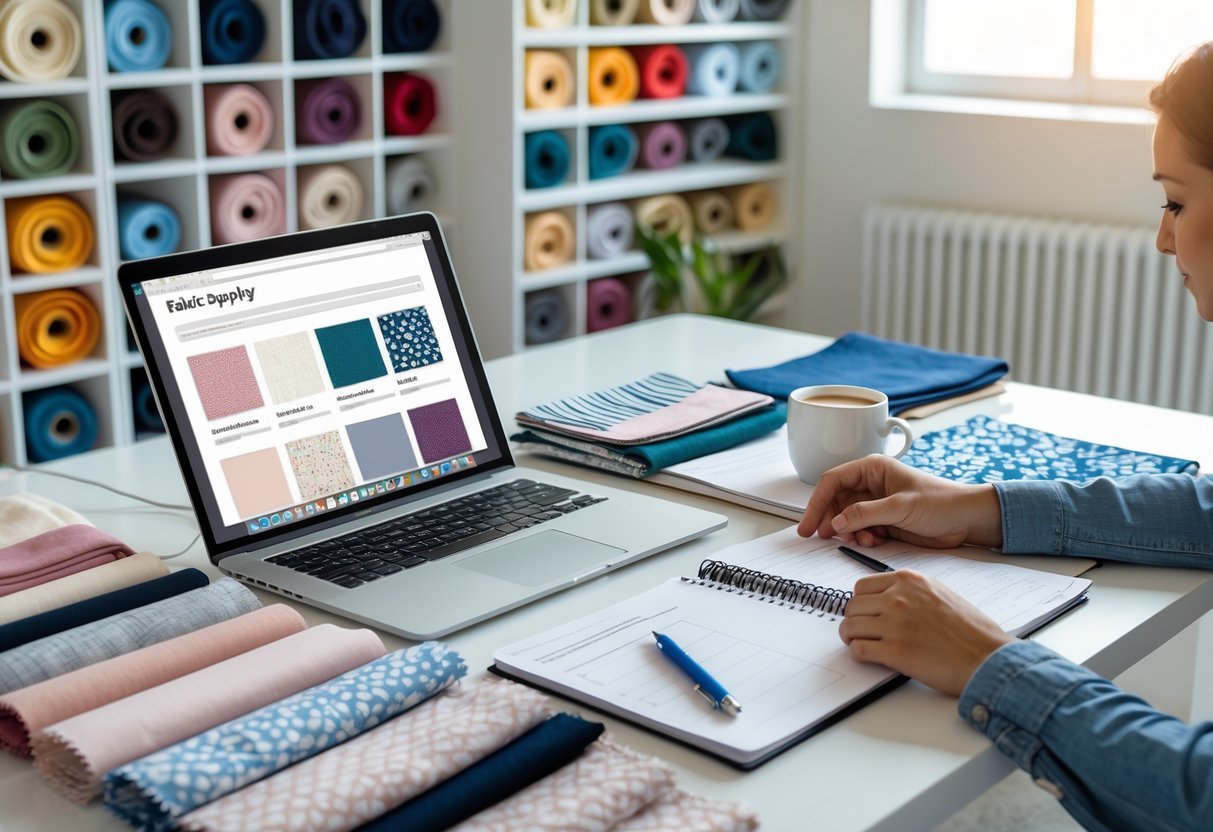
Finding the right fabric supplier involves knowing the different types of vendors and assessing their trustworthiness. This process helps ensure consistent quality, timely delivery, and good pricing, which are key to running a successful clothing line.
Types of Suppliers and Vendors for How To Source Fabric
Fabric suppliers vary widely based on how they operate and the products they offer. Fabric mills produce fabric from raw fibers and usually have high minimum order quantities (MOQs). They are best for brands that need large, consistent runs and custom fabrics.
Converters buy unfinished fabric from mills and add finishing touches like dyeing or printing. They offer more variety and flexibility but might still require moderate order sizes.
Jobbers sell leftover or excess fabric, often at lower prices. However, they usually don’t restock the same fabric, which can make continuity difficult.
Besides these, wholesale fabric suppliers and fabric vendors provide ready stock, sometimes with lower minimums. Local fabric stores offer convenience and quick access but often at higher prices and smaller selections.
Evaluating Supplier Reliability and Expertise
A reliable fabric supplier consistently delivers quality fabrics on time. Checking their track record through reviews or referrals is essential. Suppliers who offer clear product details—like fabric construction, fiber content, and care instructions—show expertise and transparency.
They should provide samples or fabric swatches, allowing a physical check before bulk orders. Delivery times and MOQs need to align with your production schedule and budget.
Experienced suppliers understand fashion industry demands and can advise on fabric choices. Building a strong relationship can lead to better service, pricing, and access to new fabrics in the future.
The Fabric Sourcing Process Step-By-Step
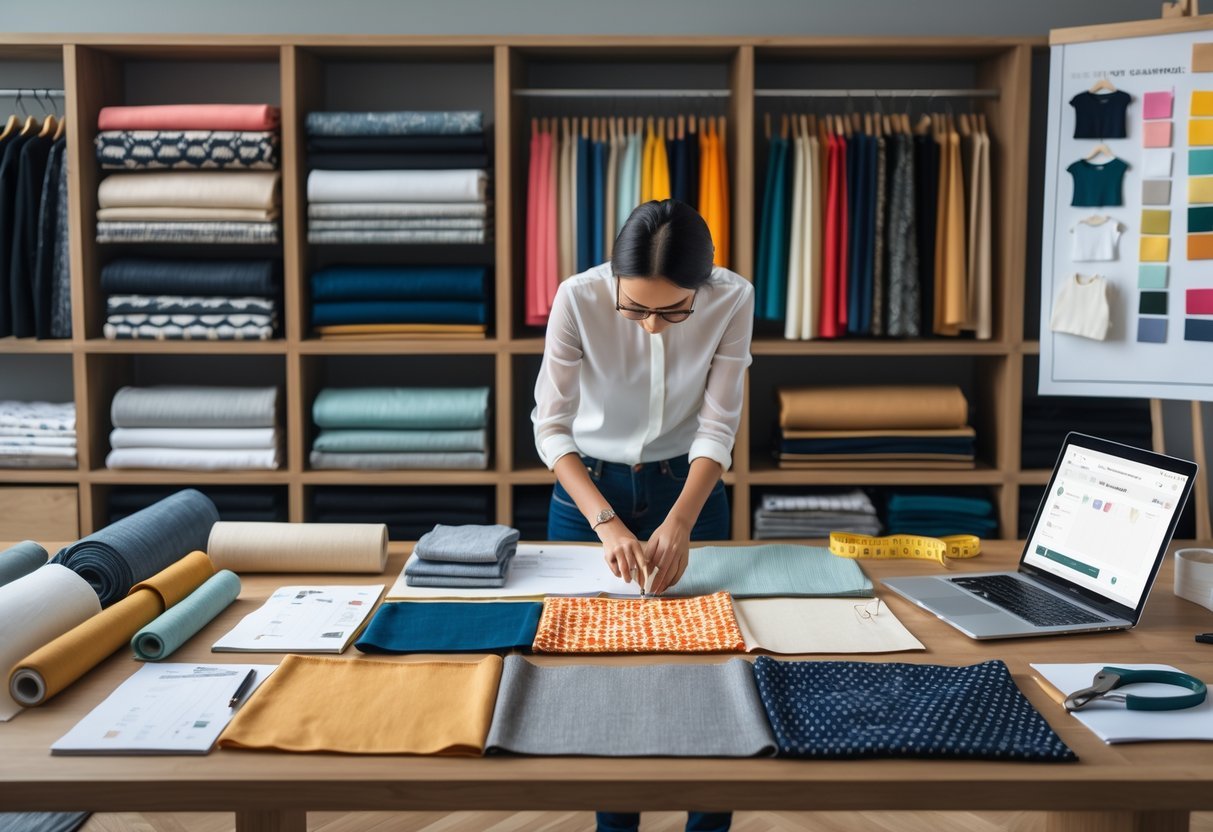
The fabric sourcing process involves careful steps to ensure the right material for a clothing line. It starts with requesting fabric samples, followed by thorough tests for quality, color, and weight. Finally, comparing multiple options helps make an informed fabric selection that fits the design and production needs.
Requesting and Assessing Fabric Samples
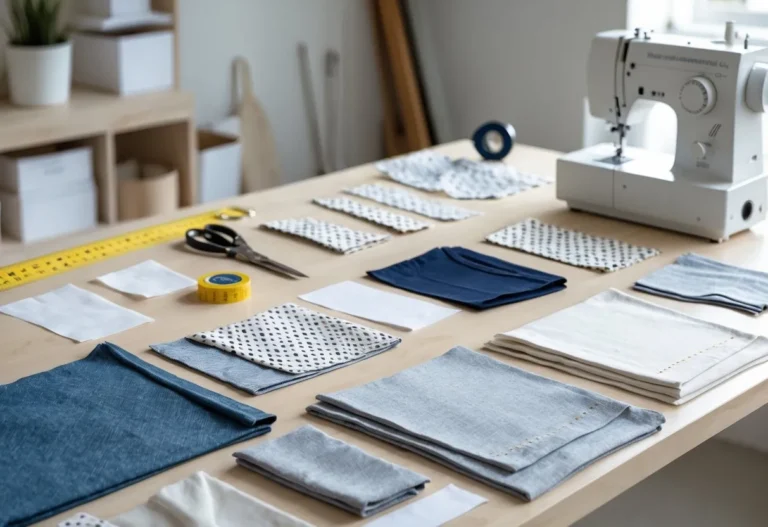
Sourcing fabric begins by requesting fabric swatches or samples from suppliers. Designers or brands send reference fabrics or detailed specifications to suppliers to get similar fabric samples. This helps find exact or close matches in fiber content, fabric construction, and color.
Once samples arrive, the next step is assessing them. Factors like texture, stretch, and thickness are looked at. It’s important to check the minimum order quantity (MOQ) from suppliers since this affects cost and production scale. Requesting multiple swatches from different vendors allows for a broad comparison.
Samples also help communicate requirements for prototypes. Designers can ensure the fabric works with their tech pack and production goals without ordering bulk yardage too early.
Testing for Quality, Weight, and Color Consistency
After receiving fabric samples, testing is crucial. This includes wear, wash, and colorfastness tests that ensure the material meets quality standards. Weight, measured in grams per square meter (GSM), is verified to match the intended use, such as lightweight for summer wear or heavier fabric for outerwear.
Fabric construction is also tested. For example, knits must maintain stretch without losing shape, while wovens need durability. Color consistency between batches is checked to confirm suppliers can meet future orders with matching shades.
Testing prevents costly mistakes in production by validating fabric durability, feel, and appearance before large purchases. It also confirms whether special fabric finishes, like waterproofing or anti-bacterial treatment, perform as expected.
Selecting and Comparing Fabric Options
The final step is selecting the best fabric from the tested samples. This involves comparing factors like fabric cost, fabric weight, vendor reliability, and potential for reorder. Choosing between in-stock fabrics, deadstock, or greige goods depends on budget and customization needs.
Costs and minimum order quantities directly impact startup budgets. Some suppliers offer low minimum orders, which reduce risk. Others provide full customization but require large quantities and longer lead times.
A comparison table might help:
| Factor | Supplier A | Supplier B | Supplier C |
|---|---|---|---|
| MOQ | 10 yards | 1 yard | 500 yards |
| Cost per yard | $8 | $12 | $5 |
| Fabric weight (GSM) | 180 | 150 | 200 |
| Color options | Limited | Wide | Fully customizable |
| Lead time | 2 weeks | 1 week | 2+ months |
This methodical selection ensures the fabric aligns with the clothing line’s performance, budget, and design requirements.
Navigating Order Quantities, Pricing, and Logistics

Choosing the right fabric amounts, understanding costs, and planning delivery schedules are essential to building a stable clothing line. Knowing how to handle these factors can help minimize waste, control spending, and keep production on time.
Understanding Minimum Order Quantities (MOQs)
Minimum order quantities (MOQs) are the smallest amount of fabric a supplier will sell. These often vary by supplier type. Large mills usually have high MOQs, sometimes 1,000 yards or more, which might be too much for new or small brands.
Smaller suppliers or jobbers often offer lower MOQs, sometimes as little as 1 meter. This allows designers to start with sampling or limited runs without large upfront costs.
Designers should always ask suppliers about MOQs before committing. Negotiating lower MOQs might be possible, especially if the supplier sees potential for future growth. It’s important to balance order size with budget and demand to avoid excess inventory.
Budgeting, Costs, and Negotiation for How To Source Fabric
Fabric cost depends heavily on order size. Smaller MOQs usually mean higher prices per yard since suppliers charge more for smaller runs.
Brands should look for tiered pricing or wholesale deals that reduce the price as order quantity increases. Some suppliers offer discounts when orders hit certain yardage levels.
Negotiating with suppliers can help secure better prices or payment terms. Discussing flexibility in costs can protect profit margins, especially in the early stages of production.
Also, consider hidden costs like shipping fees, customs, or taxes. These can add up and should be included in the fabric budget to avoid surprises later.
Managing Delivery and Timelines
Fabric delivery times impact the entire production schedule. Lead times vary based on fabric availability, supplier location, and order size.
Designers should request clear lead time information before placing orders. This includes production time, shipping duration, and any customs processing.
It’s important not to assume fast delivery, especially for custom or made-to-order fabrics. Delays can halt garment manufacturing and affect launch dates.
Tracking fabric deliveries and maintaining good communication with suppliers helps prevent issues. Planning orders well ahead ensures materials arrive on time to keep production moving smoothly.
Opportunities for Sourcing: Trade Shows, Fairs, and Online Marketplaces
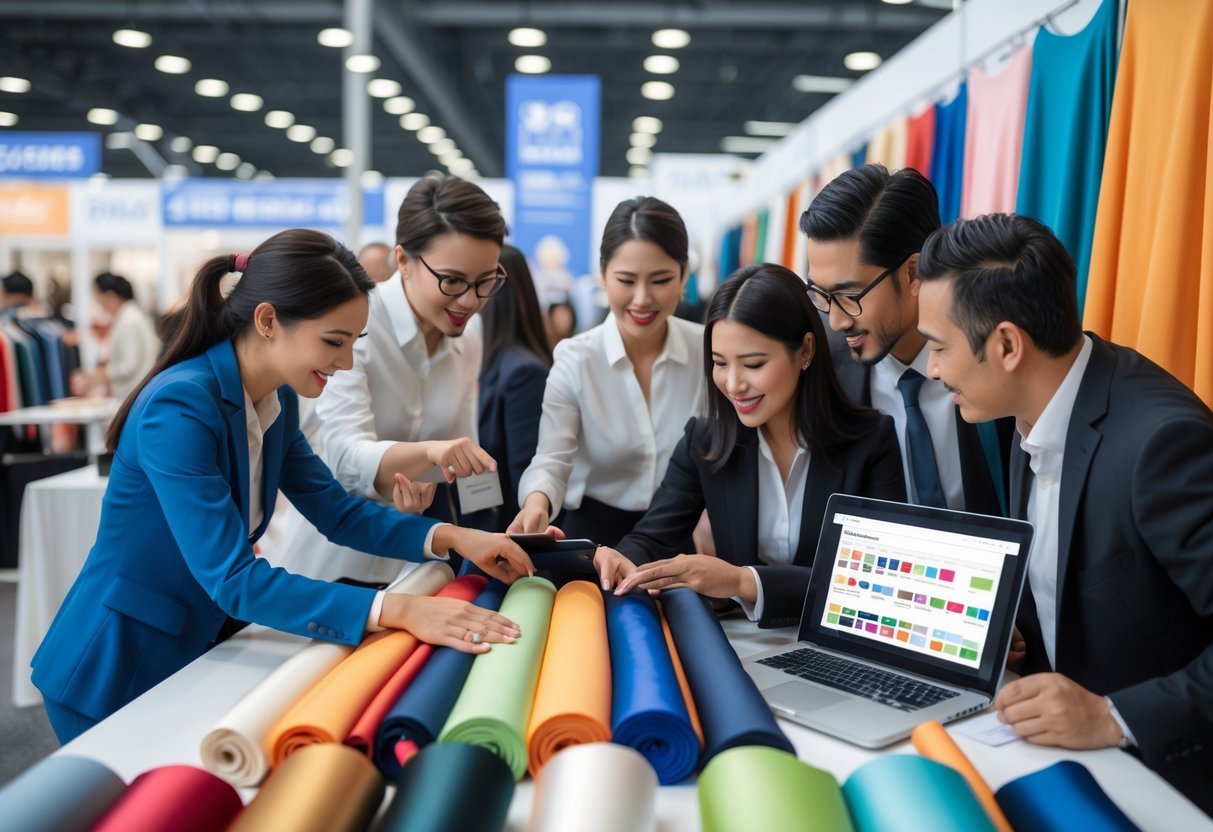
Fashion entrepreneurs have many options for finding quality fabric. Attending events or browsing online can give access to a wide range of materials, suppliers, and trends.
Leveraging Fabric Trade Shows and Fairs
Trade shows like Texworld USA and other fabric fairs offer opportunities to see numerous suppliers in one place. These events often feature vendors selling wholesale fabrics, trims, and eco-friendly materials.
Attendees can buy swatches, place orders on-site, and build direct relationships with manufacturers. Trade shows also allow designers to discover new fabric innovations and emerging trends in the industry.
Key shows happen worldwide and frequently in major cities like New York, Paris, and London. This face-to-face interaction helps establish trust and ensures fabric quality before large purchases are made.
Exploring Online Platforms and Directories
Online marketplaces such as SwatchOn provide a digital option for sourcing fabric, especially when attending events is not possible. These platforms connect designers with verified suppliers and allow browsing extensive fabric catalogs.
Digital directories also list suppliers, making it easier to compare prices and minimum order quantities. Many online sources offer detailed product demos, reviews, and swatch ordering services.
Using both trade shows and online tools allows designers to balance hands-on evaluation with convenient, broad searching. This approach helps secure reliable fabric sources to fit different production needs.
Sustainable and Eco-Friendly Fabric Sourcing
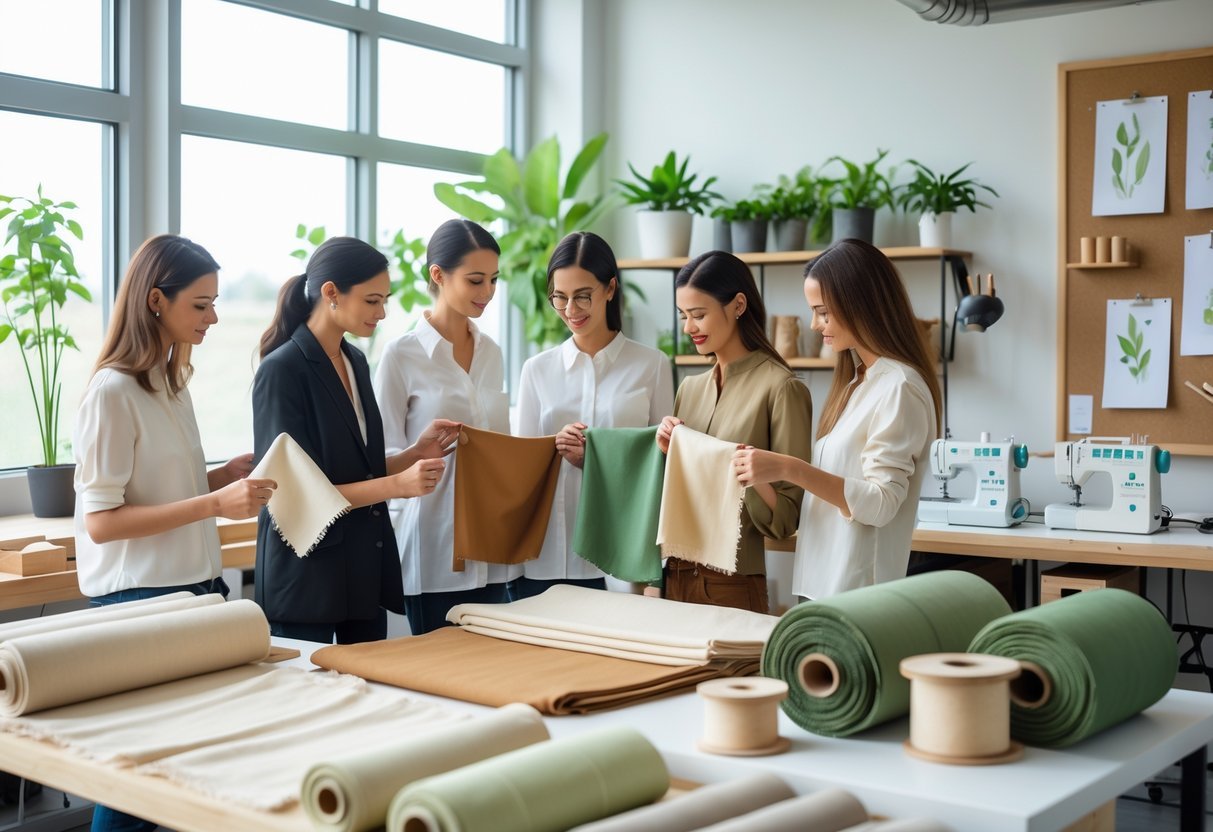
Sourcing sustainable fabrics means carefully choosing materials that reduce harm to the environment and support ethical production. This involves selecting certified fabrics and focusing on practices that lower energy use, water consumption, and waste. Brands must look closely at certifications and the full fabric lifecycle.
Identifying Sustainable and Certified Fabrics
Sustainable fabrics include materials like organic cotton, recycled polyester, and greige goods processed with fewer chemicals. Certifications such as GOTS (Global Organic Textile Standard) and OEKO-TEX help verify that fabrics meet strict environmental and social criteria.
- GOTS ensures textiles are organic and produced under fair labor conditions.
- OEKO-TEX STANDARD 100 tests for harmful substances, making fabrics safer for people and the planet.
Choosing fabrics with these labels builds trust and proves genuine commitment to eco-friendly sourcing. Organic cotton, for example, avoids pesticides and saves water compared to conventional cotton.
Reducing Environmental Impact in Sourcing
Reducing environmental impact starts with selecting fabrics that use less water, energy, and chemicals during production. Working closely with suppliers who prioritize clean processes and transparency is key.
Brands can reduce waste by sourcing greige goods—unfinished fabrics—and finishing them with eco-friendly methods. Using recycled polyester also saves resources by transforming plastic waste into textiles.
Energy-efficient production and supplier transparency enable better monitoring and improvement of sustainability throughout the supply chain. This approach supports a smaller carbon footprint and less environmental damage.
Building Successful Supplier Relationships

Strong supplier relationships depend on clear communication, fair negotiation, and ongoing collaboration. These elements help ensure consistent fabric quality, timely deliveries, and mutually beneficial agreements.
Effective Communication and Negotiation for How To Source Fabric
Clear communication is vital when working with fabric suppliers. Buyers should provide detailed specifications, timelines, and expectations early on. This reduces misunderstandings and delays.
During negotiation, it is important to balance price, quality, and order quantities. Asking about minimum order quantities (MOQs) and potential surcharges for smaller runs helps prevent surprises.
Transparency about payment terms, delivery schedules, and return policies also builds trust. Using written agreements or purchase orders ensures both parties agree on terms.
Regular updates and quick responses to questions keep production on track. Effective communication minimizes risks and helps resolve challenges before they grow.
Long-Term Partnerships and Collaboration
Building long-term partnerships benefits both brands and suppliers through stability and improved service. Trust develops when suppliers understand the brand’s needs and priorities.
Collaboration can include sharing forecasts, adjusting orders based on sales, or co-developing fabric innovations. This strengthens supply chain resilience and encourages flexibility in lead times.
Reliable suppliers often offer better pricing, priority stock, or customized service to long-term clients. Maintaining a consistent business relationship helps avoid quality issues and ensures smoother logistics.
Regular visits, attending trade shows together, and open feedback channels support ongoing collaboration and strengthen the partnership.
Frequently Asked Questions
Fabric sourcing involves careful planning, supplier selection, and material evaluation. It requires understanding fabric types, costs, and delivery timelines. Building solid supplier relationships and considering sustainability are also key to successful sourcing.
What are the key steps involved in fabric sourcing for a new clothing brand?
First, designers learn about fabric construction and properties. Next, they identify potential suppliers such as fabric mills, converters, or jobbers. Then, they order samples to test fabric quality and suitability. Finally, designers negotiate prices, minimum order quantities, and delivery schedules.
How do you assess the quality and suitability of fabric for specific garments?
Checking fabric weight and content helps match the fabric to the garment type. Designers feel the fabric hand to judge softness or stiffness. They also review fabric construction, drape, and care instructions to ensure comfort, durability, and proper maintenance.
What are the benefits of attending fabric sourcing trade shows for clothing designers?
Trade shows let designers see and touch fabrics in person, helping with better material selection. They provide direct access to multiple suppliers for comparison. Networking opportunities at shows can lead to better pricing and reliable partnerships.
Which online platforms are considered the best for fabric sourcing by clothing companies?
Platforms like Alibaba and Faire are popular for connecting with a wide range of suppliers globally. They offer fabric catalogs and allow ordering samples easily. Online sourcing saves time and gives access to diverse fabric options, including sustainable materials.
What strategies can emerging fashion designers use to establish relationships with fabric suppliers?
Designers should communicate clearly and professionally. Providing detailed spec sheets and asking specific questions can build trust. Ordering sample yardage before bulk orders shows commitment. Attending trade shows and following up with suppliers also strengthens partnerships.
How do clothing companies ensure ethical and sustainable practices in their fabric sourcing?
They choose suppliers who use eco-friendly fibers like organic cotton or Tencel. Companies verify certifications related to labor standards and environmental impact. Transparent communication and regular audits help maintain ethical sourcing throughout the supply chain.